
Architectural Archaeology: Reading Your City's Hidden History
Every building is a document—you just need to know what language it's written in.
About This Quest
Learn to read building facades, construction dates, and architectural styles to uncover your neighborhood's forgotten stories through physical evidence.
Cities don't just change—they layer. Walk down any street older than fifty years and you're looking at a palimpsest: storefront signs painted over, cornerstones marking long-dead construction companies, bricked-up windows from when daylight was taxed. Most people pass these details daily without registering them. You're going to start seeing them everywhere. This quest teaches you to read buildings like primary sources. You'll learn to spot the telltale marks of different construction eras, identify architectural styles from their details, and decode the physical evidence of economic booms, fires, wars, and social movements. That weird metal bracket on the corner? Fire insurance mark from the 1890s. Those regular holes in the brick? Former awning anchors from when this was retail. The different colored bricks on the third floor? Bomb damage repair or a 1970s addition. The best routes combine eras—find a street where 1880s rowhouses sit next to 1920s apartments and 1960s infill. Morning light (7-9AM) hits facades at an angle that makes architectural details pop and reveals textures invisible at midday. You're not just looking at buildings; you're reading the physical evidence of how people lived, worked, and built in your exact location across generations.
Why This Quest Matters
After this, you'll never see your city the same way. Every block becomes a readable timeline—you'll spot the scars of the 1906 fire, the optimism of 1920s Art Deco, the brutal efficiency of 1960s urban renewal. Buildings stop being background scenery and become physical documents of exactly how people built, survived, and adapted in your specific place across generations.
What You'll Experience
- How to date buildings by architectural style markers and materials
- Where to find hidden dates, ghost signs, and construction evidence
- How to read a street's economic and social history from its physical layers
- What fire insurance marks, bricked-up windows, and material changes reveal
- How to use historical maps to verify your architectural detective work
What You'll Need
Top gear to make this quest great.
Pull it off
Compact Binoculars (8x25 or 10x25)
Architectural details above the third floor are impossible to read from street level. Binoculars let you spot date stones, decorative elements, and construction marks that completely change your understanding of a building's history.
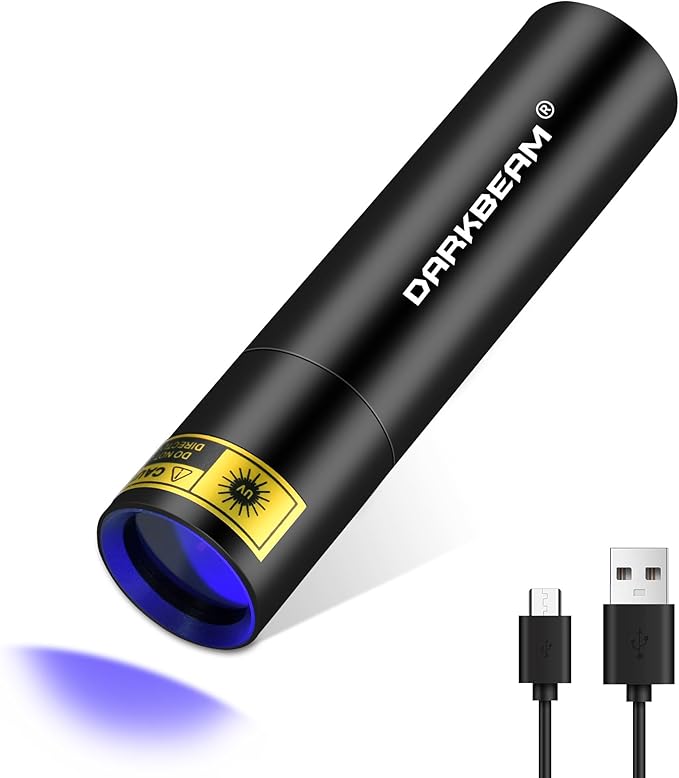
Ghost signs and old painted advertisements fluoresce under UV light, revealing entire business histories hidden under decades of weathering. Works best at dusk or in shadowed walls.
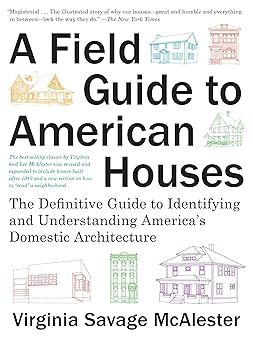
On-the-spot reference for identifying architectural styles, construction periods, and regional building traditions. Better than phone searches because you can compare multiple style examples quickly without battery drain.
As an Amazon Associate I earn from qualifying purchases. Prices may change.
Step-by-Step Guide
Pick a mixed-era block
Choose a street at least 80 years old with varied building heights and uses. Residential-commercial transition zones work best—they show multiple construction eras layered together rather than uniform development.
💡 Pro Tips:
- • Morning light (7-9AM) hits facades at an angle that reveals textures and details invisible at midday
Read the materials systematically
Stand across the street from each building to see the full facade. Note brick color and pattern, stone type, and window materials—different eras used different resources. Work from one end of the block to the other so you don't miss anything.
💡 Pro Tips:
- • Bring binoculars to examine high details like roofline decorations and upper-floor date stones
Hunt for date stones and style markers
Check cornerstones, lintels, and decorative panels for carved or cast dates. Look above ground-floor storefronts where original details survive, and in alley-facing walls. Identify style through cornice shapes, window proportions, and ornament: brick corbelling and arched windows suggest 1880s-1900s, smooth brick with steel casements signals 1920s-1930s, glass block marks post-WWII.
💡 Pro Tips:
- • White metal siding covering everything? That's 1970s 'modernization' hiding older architecture underneath
Decode alterations and ghost signs
Look for different brick colors indicating additions, infilled windows showing former layouts, and remnant brackets or hooks revealing vanished awnings or fixtures. Hunt faded painted advertisements and patched-over signage—they're most visible in indirect light or just after rain when brick absorbs water differently.
💡 Pro Tips:
- • A UV flashlight can reveal old painted signs invisible in regular light
Verify with historical records
Check architectural databases and historical maps online mid-quest to confirm your dating guesses and identify specific builders. Sanborn fire insurance maps show building footprints and materials by year, revealing which structures survived fires or economic shifts.
Map the evolution pattern
Mark buildings by era on paper or digitally, noting significant features. You'll see patterns emerge: coordinated rebuilding after specific fires, construction booms during prosperous decades, or urban renewal demolition zones where decades vanished.
💡 Pro Tips:
- • Those regular holes in brick walls? Former awning anchors from when the building was retail
Gear Up for Your Quest
The gear that makes this quest work.
Pull it off

Compact Binoculars (8x25 or 10x25)
Architectural details above the third floor are impossible to read from street level. Binoculars let you spot date stones, decorative elements, and construction marks that completely change your understanding of a building's history.
+ complete the kit — 3 more

UV Flashlight (365-395nm)
RecommendedGhost signs and old painted advertisements fluoresce under UV light, revealing entire business histories hidden under decades of weathering. Works best at dusk or in shadowed walls.
Ultraviolet flashlight that reveals old paint layers and faded signage invisible to the naked eye
Get on Amazon · $12.99 — UV Flashlight (365-395nm)details & deals →
Architectural Field Guide Book
RecommendedOn-the-spot reference for identifying architectural styles, construction periods, and regional building traditions. Better than phone searches because you can compare multiple style examples quickly without battery drain.
Regional guide to architectural styles and construction methods (e.g., 'A Field Guide to American Houses')
Get on Amazon · $27.57 — Architectural Field Guide Bookdetails & deals →
Clip-on Macro Lens
OptionalBrick stamps, maker's marks, and material textures tell construction stories that wide shots miss. Macro lens captures these forensic details for later research and comparison across buildings.
Smartphone attachment lens for extreme close-up photos of bricks, mortar, and material details
Get on Amazon · $25.99 — Clip-on Macro Lensdetails & deals →RELATED GEAR GUIDE
Night Walk Safety Gear: Be Seen, Be Heard, See Everything
Field-tested picks · Urban Exploration
As an Amazon Associate, IRL Sidequests earns from qualifying purchases at no extra cost to you.
Prices and availability are subject to change. The price shown at checkout on Amazon at the time of purchase will apply.
Editor's Picks
Hand-selected quests our team thinks you'll love

Urban Food & Beverage Culture Quest
The best food in your city isn't on Yelp's front page—it's where rent is cheap and menus aren't in English.

Historical Walking Tour: Read Your City's Hidden Stories
Every sidewalk crack has a story—you just need to know where to look.

Architecture Scavenger Hunt: Decode Your City's Hidden Design Language
That building you pass every day? It's been screaming details at you that you've never noticed.