
Block Print Your City
That rusted fire escape isn't decay—it's your next t-shirt design.
About This Quest
Carve linocut stamps from the textures around you—manhole covers, brick patterns, fire escapes—and print them onto fabric, paper, or your own tote bags.
Block printing—or relief printing—turns everyday textures into repeatable art. Walk your block with fresh eyes: that crosshatch grate, the geometric tiles outside the bodega, the worn wood grain on park benches. You're not stealing anything, just borrowing patterns. Take rubbings with graphite, snap reference photos, then translate them into carved linoleum blocks back home. The carving process is meditative—each cut reveals negative space, and you'll mess up a few times before the design clicks. That's the point. Once your block is ready, you roll ink across the raised surface and press it onto fabric, paper, or cardboard. The first print is always a test—too much ink bleeds, too little leaves gaps—but by the third impression, you'll feel the rhythm. Print matching tote bags, create wrapping paper, or layer colors for complex compositions. The beauty is in imperfection: slight misalignments and irregular ink distribution give handmade character that screen printing can't touch. This isn't about gallery-ready work on day one. It's about noticing the geometry hiding in plain sight and making something tactile from it. Your city becomes a pattern library. That subway tile you pass daily? Now it's on your favorite hoodie. The brick facade you never looked at twice? It's your new thank-you card design. You'll start seeing printable textures everywhere—manhole covers become mandala-like, chain-link fences turn into moiré patterns, peeling paint reveals accidental abstract art.
Why This Quest Matters
You'll never walk past a manhole cover, brick wall, or chain-link fence the same way again. This quest transforms your daily commute into a pattern library where peeling paint becomes abstract art and architectural details turn into wearable designs. The meditative carving process and imperfect first prints teach you that making something tactile matters more than perfection.
What You'll Experience
- How to see printable geometry hiding in weathered urban surfaces
- The rhythm of inking, pressure, and timing that makes clean impressions
- Relief printing fundamentals: positive/negative space, carving technique, ink consistency
- Why handmade imperfections—misalignments, irregular ink—give character screen printing can't touch
- A repeatable process for turning everyday textures into original fabric and paper designs
What You'll Need
Top gear to make this quest great.
Pull it off
Speedball Linocut Starter Kit
Provides all carving essentials in one package with beginner-safe tools; interchangeable blades let you create varied line weights and textures
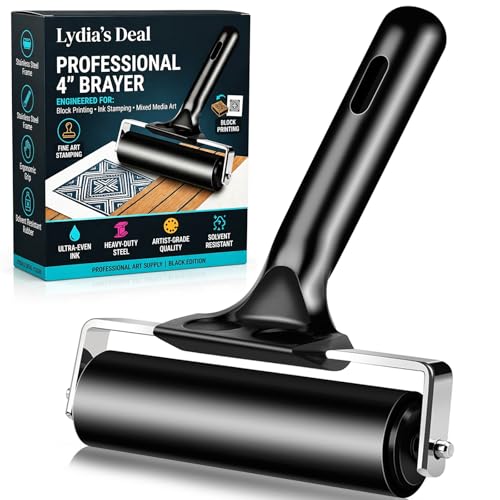
Creates smooth, consistent ink layers without brush strokes; essential for even impressions and doubles as a printing press for hand-pulled prints
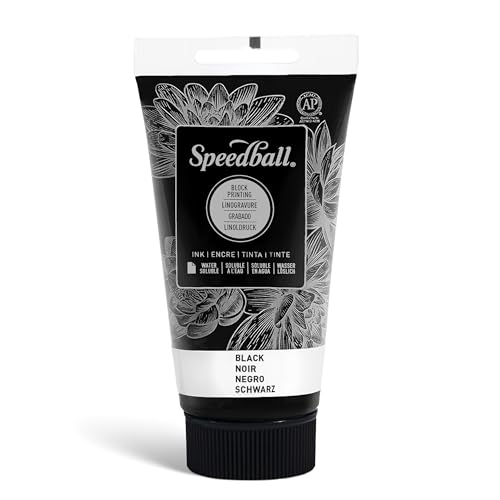
Formulated specifically for block printing with the right viscosity to transfer cleanly without bleeding; water-based formula means easy cleanup and safe indoor use
As an Amazon Associate I earn from qualifying purchases. Prices may change.
Step-by-Step Guide
Scout and capture urban textures
Take a 20-minute walk through your neighborhood looking for high-contrast patterns: brick bonds, metal grates, architectural reliefs, weathered wood. Create graphite rubbings on thin paper pressed directly against surfaces to capture fine details, and photograph backup options. Label each rubbing with its location.
💡 Pro Tips:
- • Rubbings reveal subtleties cameras miss—peeling paint layers, mortar texture, metal corrosion patterns
- • Scout during golden hour when shadows emphasize texture depth
Simplify your design for carving
Choose your strongest texture and redraw it as bold shapes with clear positive and negative space—block printing can't handle fine gradients or tiny details. Sketch your final design actual-size on tracing paper, then transfer it to your linoleum block using graphite transfer paper or draw directly with permanent marker.
💡 Pro Tips:
- • Remember: whatever you carve away will stay white in the final print
Carve your block
Using shallow, controlled strokes away from your body, start with outlines then remove larger negative areas. Test-print on scrap paper every few minutes—you'll catch mistakes early and see how the design evolves. Stop carving when the test prints show the contrast you want.
💡 Pro Tips:
- • Your first three test prints will look wrong—resist the urge to over-carve
- • Shallow cuts are safer and just as effective as deep gouges
Ink and print your design
Squeeze block printing ink onto glass or acrylic, then roll your brayer through it until evenly coated. Roll ink onto your carved block in multiple directions for smooth coverage—thin layers, not globs. Place fabric or paper face-down on the block and press firmly with a clean brayer or wooden spoon, working from center outward.
💡 Pro Tips:
- • Peel back one corner to check before fully removing—you can press harder if needed
- • Your second and third prints will be better than your first as you learn the right pressure
Print your city repeatedly
Set your first print aside to dry on newspaper, then repeat the inking and printing process. Clean your block and brayer immediately after each session with soapy water (water-based ink) or mineral spirits (oil-based). Print tote bags, wrapping paper, or layer colors for complex compositions—the rhythm gets addictive.
💡 Pro Tips:
- • Slight misalignments and irregular ink create handmade character that feels alive
- • That subway tile you pass daily can now live on your favorite hoodie
Gear Up for Your Quest
The gear that makes this quest work.
Pull it off

Speedball Linocut Starter Kit
Provides all carving essentials in one package with beginner-safe tools; interchangeable blades let you create varied line weights and textures
+ complete the kit — 4 more

Creates smooth, consistent ink layers without brush strokes; essential for even impressions and doubles as a printing press for hand-pulled prints
Hard rubber roller with handle for spreading ink evenly across blocks and applying pressure to prints
Get on Amazon · $6.69 — Block Printing Brayer (4-inch rubber roller)details & deals →
Formulated specifically for block printing with the right viscosity to transfer cleanly without bleeding; water-based formula means easy cleanup and safe indoor use
Thick, opaque ink designed for relief printing; comes in black, white, and colors; cleans up with soap and water
Get on Amazon · $9.99 — Speedball Water-Based Block Printing Inkdetails & deals →
Carving Safety Glove
RecommendedProtects your holding hand from accidental slips; gives beginners confidence to apply proper carving pressure without fear of injury
Cut-resistant glove made from Kevlar or HPPE fiber for your non-carving hand
Get on Amazon · $12.99 — Carving Safety Glovedetails & deals →
Graphite Rubbing Sticks
OptionalCaptures fine surface details that photos miss; creates direct 1:1 reference material for carving with authentic texture information
Thick graphite sticks (not pencils) for creating texture rubbings on thin paper
Get on Amazon · $7.34 — Graphite Rubbing Sticksdetails & deals →RELATED GEAR GUIDE
Fermentation & Canning Kit: 8 Beginner Picks
Field-tested picks · Creative Arts
As an Amazon Associate, IRL Sidequests earns from qualifying purchases at no extra cost to you.
Prices and availability are subject to change. The price shown at checkout on Amazon at the time of purchase will apply.
Editor's Picks
Hand-selected quests our team thinks you'll love

Dawn Patrol: Your First Bird Watching Adventure
Wake up with the birds and see your neighborhood through new eyes.

Creative Skills Quest Hub: Learn By Doing
The best way to learn creative skills? Make bad art until it gets good.

Hand-Built Ceramic Bowl Workshop
Your hands built the first bowls 20,000 years ago. They still can.