
Community-Based Learning & Social Skills Hub
Practice conversations like you'd practice guitar—with other people who get it.
About This Quest
Join or start structured social practice groups where adults build conversation skills, active listening, and confidence through guided real-world interactions.
Social skills aren't magic—they're learnable patterns you can practice with other people who aren't judging you. Community-based social learning groups create structured environments where adults work on specific interaction skills: starting conversations, reading body language, handling awkward silences, giving compliments that don't sound weird. Think Toastmasters for everyday conversation, not public speaking. These meetups run on rotating exercises. One week might focus on asking follow-up questions instead of waiting for your turn to talk. Another practices introducing yourself to strangers at a coffee shop (with group support nearby). The format removes the performance anxiety of regular social situations while building muscle memory for real interactions. You'll notice the difference when a casual chat at the grocery store suddenly feels less like defusing a bomb. The best groups mix structured activities with reflection time. After a 20-minute conversation exercise, everyone debriefs what worked and what felt forced. Facilitators (often trained peer volunteers) keep things moving and intervene if someone's dominating or withdrawing. Most cities have at least one group through libraries, community centers, or meetup apps. If yours doesn't, starting one with three people and a coffee shop corner booth works fine. The awkwardness goes away faster than you'd think.
Why This Quest Matters
Social skills improve like any other skill—through deliberate practice with feedback, not just exposure. These groups let you rehearse conversation patterns until they become automatic, so that casual interactions stop feeling like high-stakes performances. The relief of talking with people who also find small talk exhausting makes the initial awkwardness worth pushing through.
What You'll Experience
- How to ask follow-up questions that sound genuinely curious instead of interrogative
- What your body language signals when you're listening versus waiting to talk
- Strategies for gracefully handling awkward silences without panicking
- How to give compliments that land well instead of sounding forced
- Confidence from practicing conversation mechanics in low-stakes environments
What You'll Need
Top gear to make this quest great.
Pull it off
Conversation Card Deck
Removes the anxiety of 'what should we talk about' and provides consistent scaffolding for practicing specific communication skills across sessions
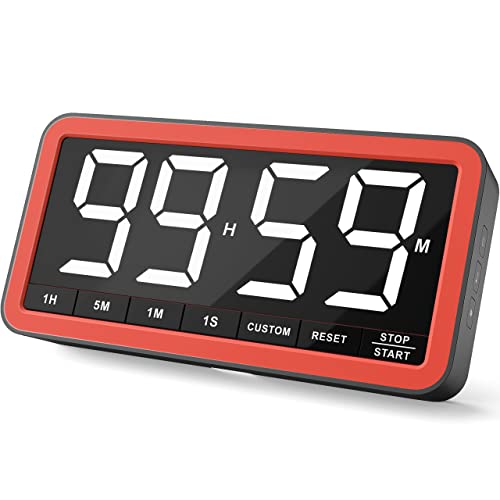
Keeps exercises on track and signals transitions without facilitators constantly watching clocks, maintains flow and structure
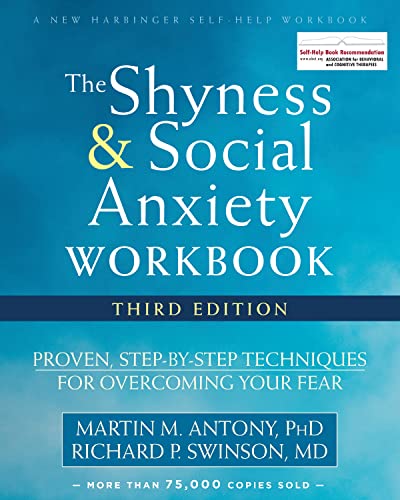
Provides structured curriculum and homework exercises between sessions, helps facilitators design effective practice activities
As an Amazon Associate I earn from qualifying purchases. Prices may change.
Safety Tips
- When using the VOCOO timer for timed exercises, test the 4 alert options and 3 volume levels before your first session to find settings that signal transitions clearly without startling participants—Silent Mode with screen flash works well for anxiety-sensitive groups.
- Keep the TableTopics question cards' clear cube container accessible but let participants pass on questions that feel too personal—the 135-card variety means you can quickly draw another without pressure or judgment.
Step-by-Step Guide
Find a local social learning group
Search Meetup.com, library event calendars, community mental health centers, or university extension programs for 'social skills practice', 'conversation club', or 'adult social learning'. Call ahead—some hide behind generic names like 'Community Connection Hour'. Attend your first session as an observer if offered, or jump straight into the warm-up introductions.
💡 Pro Tips:
- • University extension programs often run free groups that outsiders can join
- • Community mental health centers sometimes list groups only on their physical bulletin boards
Participate in timed conversation exercises
Work through structured rotations like speed-networking rounds, active listening pairs, or group storytelling circles. Use a large-display timer everyone can see to run 3-minute partner swaps or 5-minute speaker turns. Groups typically cycle through 3-4 exercises per session with breaks between.
💡 Pro Tips:
- • Silent timers work better in library spaces; audible alarms help in coffee shops where background noise drowns out visual cues
Practice specific skills with conversation cards
Draw TableTopics cards or similar prompts to practice giving genuine compliments, sharing stories with descriptive details, or asking three follow-up questions before talking about yourself. The cards eliminate the 'what do I say next' paralysis while you focus on delivery and listening.
💡 Pro Tips:
- • Keep your own card deck at home to practice answers before the session—reduces first-round anxiety
Debrief what felt natural versus forced
After each exercise, discuss what worked, what was hard, and what you tried for the first time. This reflection time—usually 10 minutes per round—cements learning better than rushing to the next activity. Take brief notes on your phone afterward to track patterns across sessions.
Complete fieldwork between sessions
Good groups assign optional real-world practice: strike up one conversation with a barista, compliment a stranger's dog, introduce yourself to a neighbor. Report back next session on what happened. The accountability and shared story-swapping make solo practice less daunting.
Start your own group if needed
Post on neighborhood Facebook groups, Nextdoor, or library bulletin boards with specifics: 'Social Skills Practice Group—adults learning conversation skills in judgment-free space, 1st and 3rd Thursdays, 7PM at [coffee shop name]'. Three committed people is enough. Set ground rules from session one: confidentiality, no unsolicited advice, everyone participates but can pass, phones away. Rotate facilitation duties once the group stabilizes to prevent burnout.
💡 Pro Tips:
- • Coffee shops with separate rooms or quiet corners work better than open seating—less self-consciousness about being overheard
- • Posting clear ground rules visibly each session prevents the awkward mid-meeting reminder when someone starts giving advice
Gear Up for Your Quest
The gear that makes this quest work.
Pull it off

Conversation Card Deck
Removes the anxiety of 'what should we talk about' and provides consistent scaffolding for practicing specific communication skills across sessions
+ complete the kit — 2 more

Interval Timer with Visual Display
RecommendedKeeps exercises on track and signals transitions without facilitators constantly watching clocks, maintains flow and structure
Digital timer showing large countdown for timed conversation rounds, visible across the room without checking phones
Get on Amazon · $29.99 — Interval Timer with Visual Displaydetails & deals →
Provides structured curriculum and homework exercises between sessions, helps facilitators design effective practice activities
Evidence-based guide with exercises for conversation skills, reading social cues, and managing anxiety in interactions
Get on Amazon · $29.48 — Social Skills Workbook for Adultsdetails & deals →RELATED GEAR GUIDE
Guerrilla Gardening Gear: 6 Picks to Green Your Block
Field-tested picks · Social & Community
As an Amazon Associate, IRL Sidequests earns from qualifying purchases at no extra cost to you.
Prices and availability are subject to change. The price shown at checkout on Amazon at the time of purchase will apply.
Editor's Picks
Hand-selected quests our team thinks you'll love

Guerrilla Gardening: Plant Beauty Where It's Not Expected
That cracked sidewalk planter doesn't need to stay dead—fill it with wildflowers at 2AM and watch neighbors smile for months.

Backyard Conversation Workshop
Your backyard becomes the training ground where awkward silences turn into confident conversations.

Community Kitchen & Culinary Connection Hub
The best recipes get passed hand-to-hand, not screen-to-screen.