
Creative Maker's Quest Collection
Five maker skills, five weekends, zero prior experience required.
About This Quest
Build practical making skills through five hands-on craft projects—from candle pouring to embroidery—designed for complete beginners.
This isn't a single project—it's five distinct making experiences that build your creative confidence. Each mini-quest introduces a different craft discipline: hand-poured soy candles with layered scents, linoleum block printing on fabric, basic embroidery stitches on a sampler, pinch pot pottery (no wheel needed), and natural plant dyeing with kitchen scraps. You'll finish with five completed pieces and the foundational knowledge to continue any craft that hooks you. The structure is deliberate. Start with candles (hard to mess up, instant gratification), move through block printing (teaches pattern thinking), try embroidery (builds fine motor precision), experiment with clay (spatial problem-solving), and end with natural dyeing (chemistry meets color theory). Each project takes 1-3 hours and uses supplies under $15. The mistakes you make—uneven wax layers, off-register prints, wonky stitches—are part of learning what materials actually do in your hands. You're not aiming for Instagram perfection. You're training your hands to translate ideas into physical objects. By project five, you'll notice the difference—your fingers move with more intention, you troubleshoot without panic, and you understand why makers obsess over their craft. The collection works because it exposes you to different material behaviors: wax that hardens, ink that bleeds, thread that tangles, clay that cracks, dye that surprises. Pick your favorite and go deeper, or keep all five in rotation.
Why This Quest Matters
You'll walk away with five finished objects and the embodied knowledge of how different materials behave under your hands—wax that sets, ink that transfers, thread that loops, clay that yields, dye that transforms. By the final project, your fingers will move with more intention and less hesitation. The real prize isn't the candle or the pot; it's discovering which craft makes you lose track of time so you know where to invest next.
What You'll Experience
- How to work with five distinct material systems (wax, ink, fiber, clay, natural dyes)
- The foundational techniques for each craft discipline—carving, stitching, pinching, extracting color
- How to troubleshoot physical mistakes without panic (uneven layers, off-register prints, wonky stitches are data, not failure)
- Which maker skill feels most natural to your hands and thinking style
- That precision with temperature, timing, and tension directly affects your final piece
What You'll Need
Top gear to make this quest great.
Pull it off
Linoleum Carving Block Set with Tools
Enables the block printing project with proper carving tools designed for detail work—kitchen knives don't give you control
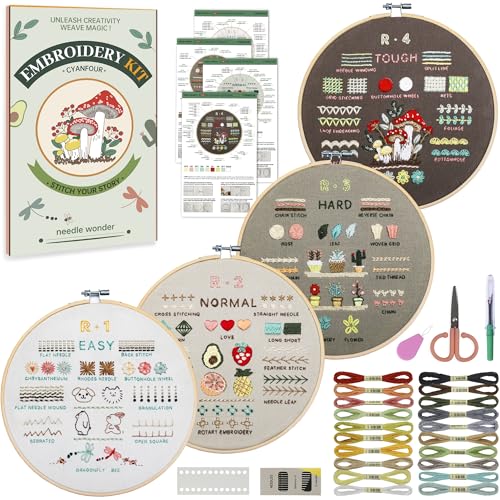
Complete embroidery project setup eliminates the guesswork of matching needle sizes to thread weights
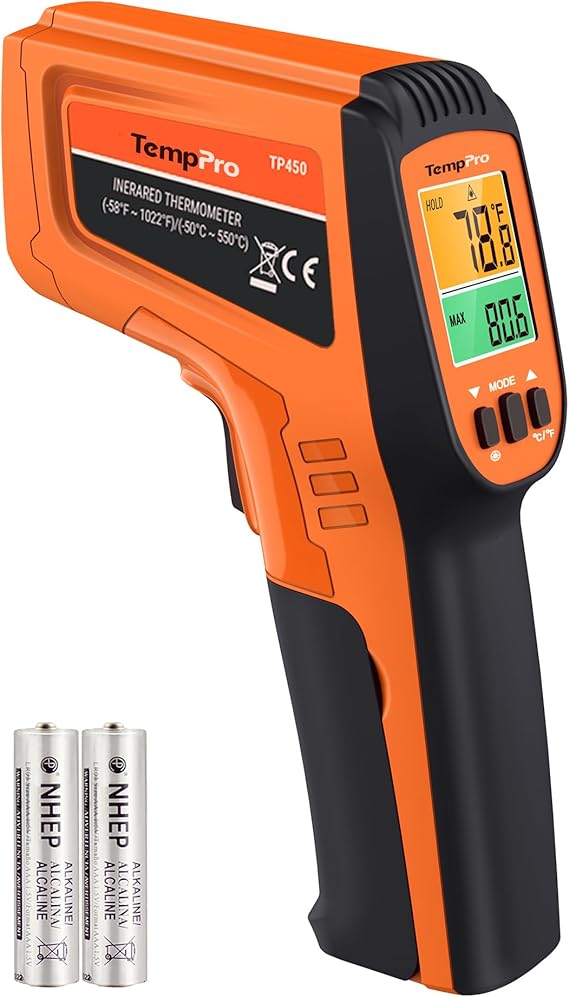
Critical for preventing fragrance burn-off—getting wax to exactly 170°F makes the difference between strong scent throw and wasted essential oils
As an Amazon Associate I earn from qualifying purchases. Prices may change.
Step-by-Step Guide
Set up your maker station
Clear 6 feet of kitchen or spare room counter space and cover it with newspaper. Gather your cross-project toolkit: scissors, ruler, pencil, mixing bowls, and a surface you can get messy on. This dedicated zone stays active across all five weekends.
💡 Pro Tips:
- • Keep a plastic bin for works-in-progress—candles need 48-hour curing time, clay needs 24-48 hours to dry
- • Good lighting matters more than you think; position a desk lamp over your work area
Pour a layered soy candle
Melt soy wax flakes in a double boiler to 185°F, add fragrance oil at exactly 170°F (hotter temps burn off the scent), then pour into a mason jar with a pre-tabbed wick centered by a chopstick bridge. Let it cure 48 hours before lighting. This project teaches you that timing and temperature are physical constraints, not suggestions.
💡 Pro Tips:
- • Use a candy thermometer—guessing temperatures will wreck your scent throw
Carve and print a linoleum block
Sketch a simple geometric design, transfer it to a 4×6 inch linoleum block with carbon paper, then carve away negative space with a V-gouge (always cutting away from your body). Roll water-based block printing ink onto your carved surface and press it firmly onto cotton fabric or card stock. You'll immediately see how positive and negative space translate into pattern.
💡 Pro Tips:
- • Your first print will be off-register—that's expected, not failure
- • Start with bold shapes; fine details are advanced-level carving
Stitch an embroidery sampler
Stretch cotton fabric in a 6-inch hoop, transfer a pattern with water-soluble pen, and practice six foundational stitches: running stitch, backstitch, satin stitch, French knot, chain stitch, and lazy daisy. Use embroidery floss and keep your tension loose rather than tight. This builds the fine motor precision that carries into other crafts.
💡 Pro Tips:
- • Thread tangles are inevitable—pause and let the needle dangle to untwist naturally
Shape a pinch pot from clay
Roll air-dry clay into a golf ball, press your thumb into the center leaving a 1/4-inch base, then pinch and rotate to thin the walls evenly with wet fingers (prevents cracking). Smooth the surface with a damp sponge, add texture if you want, and let it dry 24-48 hours before sanding edges. You're learning spatial problem-solving in three dimensions.
💡 Pro Tips:
- • Clay cracks when it dries too fast—cover it loosely with plastic if your room is dry
Dye fabric with onion skins
Simmer 2 cups of chopped yellow onion skins per quart of water for 1 hour to extract color, strain out solids, then add pre-mordanted cotton fabric (soaked in alum solution first) and simmer another hour. Rinse in cold water and expect golden yellow to rust tones depending on concentration. This final project shows you that chemistry and color theory happen in your kitchen. After all five, review your photos and identify which craft felt most natural to your hands—that's your cue to go deeper.
Gear Up for Your Quest
The gear that makes this quest work.
Pull it off

Linoleum Carving Block Set with Tools
Enables the block printing project with proper carving tools designed for detail work—kitchen knives don't give you control
+ complete the kit — 3 more

Complete embroidery project setup eliminates the guesswork of matching needle sizes to thread weights
Includes 6-inch bamboo hoop, 50 color embroidery floss skeins, needles, fabric, pattern transfers
Get on Amazon · $9.99 — Embroidery Starter Kit with Hoopdetails & deals →
Candle Making Thermometer (Infrared)
RecommendedCritical for preventing fragrance burn-off—getting wax to exactly 170°F makes the difference between strong scent throw and wasted essential oils
Non-contact infrared thermometer reads wax temperature instantly without contaminating batches
Get on Amazon · $32.99 — Candle Making Thermometer (Infrared)details & deals →
Block Printing Brayer Roller
RecommendedAchieves professional-looking prints with consistent ink distribution—foam brushes leave streaks and miss carved details
4-inch rubber roller for applying even ink coverage to carved blocks
Get on Amazon · $6.98 — Block Printing Brayer Rollerdetails & deals →RELATED GEAR GUIDE
Fermentation & Canning Kit: 8 Beginner Picks
Field-tested picks · Creative Arts
As an Amazon Associate, IRL Sidequests earns from qualifying purchases at no extra cost to you.
Prices and availability are subject to change. The price shown at checkout on Amazon at the time of purchase will apply.
Editor's Picks
Hand-selected quests our team thinks you'll love

Dawn Patrol: Your First Bird Watching Adventure
Wake up with the birds and see your neighborhood through new eyes.

Creative Skills Quest Hub: Learn By Doing
The best way to learn creative skills? Make bad art until it gets good.

Hand-Built Ceramic Bowl Workshop
Your hands built the first bowls 20,000 years ago. They still can.