
Master New Skills Through Play
Stop taking courses—start playing with creative skills that stick.
About This Quest
Build real creative skills through hands-on play—from improv comedy to pottery throwing. No prerequisites, just dive in and make something.
Most people approach creative skills like homework—sign up for a course, watch tutorials, feel guilty about not practicing. But skill-building works better when it feels like play. This quest structures creative learning as deliberate experimentation: short, focused sessions where you tackle one technique through hands-on making. Pick a creative discipline that intrigues you—pottery, improv, block printing, watercolor, bread baking, juggling. The rule: spend 2-3 hours making things badly on purpose. Focus on the process mechanics, not the outcome. Try pottery? Throw five bowls and watch how the clay responds to pressure. Improv? Run through fifteen different character voices in your kitchen. The goal is muscle memory and material understanding, not Instagram-worthy results. This approach works because it removes performance anxiety. You're not making art—you're running experiments. Track what happens when you change one variable. Notice the sensory feedback: how wet clay slides, how watercolor bleeds into damp paper, how your voice shifts when you embody different postures. By the third session, you'll have built enough tacit knowledge that formal instruction actually makes sense. You'll know what questions to ask because you've already felt the problems in your hands.
Why This Quest Matters
This quest sidesteps the guilt-and-tutorial loop that kills most creative learning. By making things badly on purpose, you build muscle memory and material intuition that formal courses can't teach. Three sessions gives you enough tacit knowledge that instruction finally makes sense—you'll know what questions to ask because you've felt the problems in your hands.
What You'll Experience
- How to learn physical skills through structured play instead of anxious practice
- The sensory feedback and material behavior of your chosen medium
- Which specific techniques intrigue you enough to pursue further
- How to set process goals that build skill without performance pressure
- Why hands-on experimentation beats passive tutorial consumption
What You'll Need
Top gear to make this quest great.
Pull it off
Beginner-friendly Watercolor Travel Set
Lets you explore color mixing and wet-on-wet techniques without investing in full studio supplies—perfect for testing if watercolor clicks with you before buying higher-grade materials.
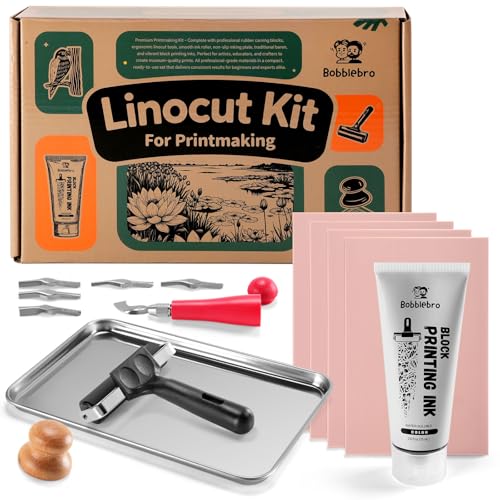
Provides immediate tactile feedback as you carve and print, teaching you how tools respond to pressure and angle—essential for building printmaking intuition.
Lets you test expensive equipment like pottery wheels or letterpress machines without buying them—plus you can ask experienced makers questions mid-session.
As an Amazon Associate I earn from qualifying purchases. Prices may change.
Step-by-Step Guide
Pick one hands-on creative skill
Choose something that requires physical technique and has intrigued you: pottery, improv, block printing, watercolor, bread baking, life drawing, juggling, or another hands-on craft. The key is that it involves your body learning, not just your brain absorbing theory.
💡 Pro Tips:
- • Avoid skills you've already dabbled in—fresh territory removes pressure to perform
- • Community studios often offer open studio hours ($15-30) with equipment access
Set a process goal, not a product goal
Define what you'll experiment with, not what you'll make. Instead of 'create a beautiful bowl,' aim for 'throw five bowls and observe how water changes clay texture.' Instead of 'paint a landscape,' try 'mix 20 shades of green and test layering behavior.' This removes performance anxiety and focuses you on material understanding.
💡 Pro Tips:
- • Write your process goal on a sticky note before starting—it keeps you honest when the urge to make something 'good' creeps in
Run three focused sessions over two weeks
Session one (2-3 hours): pure exploration, break every rule, touch everything. Session two: pick one technique that intrigued you and repeat it fifteen times with slight variations. Session three: combine what you learned into a single deliberate attempt. Document each session with quick photos or voice notes—capture surprises, failures, and unexpected satisfactions.
💡 Pro Tips:
- • Schedule sessions with at least one day between them—your brain processes motor skills during rest
- • Keep a 'surprises log' of sensory details: how wet clay slides, how watercolor bleeds, how your voice shifts with posture changes
Watch one expert tutorial after practicing
After your third session, watch a single expert tutorial on the technique you explored. You'll understand it viscerally now—you've already encountered the problems they're solving, felt them in your hands, seen them go wrong. The instruction will click in ways it couldn't have before you practiced.
Teach someone else what you learned
Join a skill-sharing group or open studio night and show another beginner what you discovered—even if you're still terrible. Teaching someone else (even badly) cements motor knowledge faster than solo practice, and you'll articulate insights you didn't know you had.
💡 Pro Tips:
- • You don't need to be good to teach—sharing what failed is often more valuable than showing what worked
Gear Up for Your Quest
The gear that makes this quest work.
Pull it off

Beginner-friendly Watercolor Travel Set
Lets you explore color mixing and wet-on-wet techniques without investing in full studio supplies—perfect for testing if watercolor clicks with you before buying higher-grade materials.
+ complete the kit — 3 more

Block Printing Starter Kit
RecommendedProvides immediate tactile feedback as you carve and print, teaching you how tools respond to pressure and angle—essential for building printmaking intuition.
Includes linoleum blocks, carving tools, brayer, and ink—everything needed to start relief printing at home.
Get on Amazon · $19.99 — Block Printing Starter Kitdetails & deals →
Community Studio Day Pass
RecommendedLets you test expensive equipment like pottery wheels or letterpress machines without buying them—plus you can ask experienced makers questions mid-session.
Single-session access to shared studio spaces (pottery studios, makerspaces, printmaking co-ops) with tools and materials included.
Get on Amazon · $0.00 — Community Studio Day Passdetails & deals →
Three-Ball Juggling Set
OptionalBuilds hand-eye coordination through repetitive play; you'll drop these 500 times before the pattern clicks, and the tactile response teaches your hands the rhythm.
Weighted beanbag balls designed for learning—they don't roll away when dropped and provide good hand feedback.
Get on Amazon · $9.99 — Three-Ball Juggling Setdetails & deals →RELATED GEAR GUIDE
Fermentation & Canning Kit: 8 Beginner Picks
Field-tested picks · Creative Arts
As an Amazon Associate, IRL Sidequests earns from qualifying purchases at no extra cost to you.
Prices and availability are subject to change. The price shown at checkout on Amazon at the time of purchase will apply.
Editor's Picks
Hand-selected quests our team thinks you'll love

Dawn Patrol: Your First Bird Watching Adventure
Wake up with the birds and see your neighborhood through new eyes.

Creative Skills Quest Hub: Learn By Doing
The best way to learn creative skills? Make bad art until it gets good.

Hand-Built Ceramic Bowl Workshop
Your hands built the first bowls 20,000 years ago. They still can.