Decode Your City's Hidden Typography - Urban Exploration quest for Beginner level adventurers

Decode Your City's Hidden Typography

Every city wall tells a story—if you know how to read the faded ink.

Share:
Time
2-3 hours
Who it's for
All ages welcome
Level
Beginner
Where
Outdoor
Season
Year-round

About This Quest

Track down faded advertisements, hand-painted signs, and forgotten letterforms hidden on building facades throughout your city.

Walk past any downtown block and you're passing through layers of commercial history. Between the modern vinyl banners and LED signs, there's older text—painted directly onto brick in the 1930s, ghosted by decades of sun, barely readable but still there. These "ghost signs" are faded advertisements for long-gone businesses: soda brands, hardware stores, hotels. The typography alone tells you when it was painted. This quest trains your eye to spot these remnants. You'll learn the difference between serif styles from different eras, identify hand-lettered versus stenciled work, and understand why certain walls preserved their messages while others didn't. The best hunting grounds are older commercial districts, alleys behind main streets, and buildings that face south or west where paint fades slowest. You're not just photographing old signs—you're reading the city's memory. That Coca-Cola script from 1947 used a different 'C' curve than today's logo. That barely-visible 'ROOMS' painted above a third-floor window marks what used to be a boarding house. Once you start seeing this layer, every neighborhood walk becomes an archaeology dig.

Why This Quest Matters

Once you train your eye to this layer, every neighborhood walk becomes an archaeology dig through commercial memory. You're not just seeing old paint—you're reading messages that survived decades of weather, indifference, and the city's constant rewriting of itself. That barely-there text is proof that nothing truly disappears, it just waits for someone to notice.

What You'll Experience

  • How to identify hand-lettered versus stenciled typography
  • Which building materials and wall orientations preserve paint longest
  • How to date signage by serif style and letter construction
  • Where ghost signs cluster in your city's commercial districts
  • How to match faded advertisements to actual historical businesses

What You'll Need

Top gear to make this quest great.

Pull it off

Polarizing lens filter or clip-on polarizer for smartphone

Cuts reflection from glossy brick or weathered paint, making faded lettering 30-40% more visible in photos. Especially critical when shooting walls in direct sunlight. Rotates to adjust polarization angle.

3.9 (449)
Get on Amazon · $16.99 — Polarizing lens filter or clip-on polarizer for smartphone
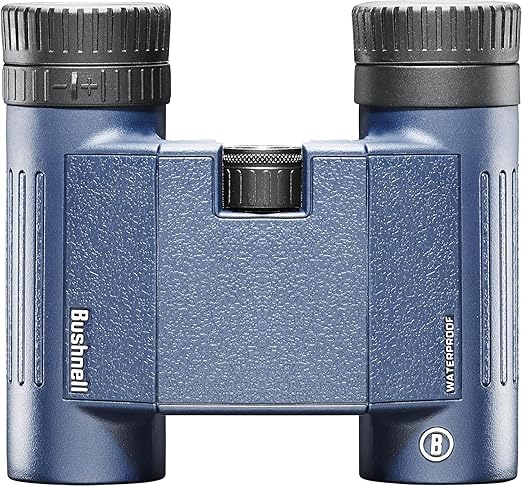
Compact binoculars (8x25 or 10x25)

Lets you read faded text on third and fourth floors without neck strain. You'll spot details invisible to naked eye—partial letters, dates, decorative borders. Essential for finding signs before you waste time walking to buildings that have nothing.

$33.99 — buy Compact binoculars (8x25 or 10x25) on Amazon
Magnetic phone mount with flexible arm

Wraps around poles, fences, or railings to stabilize shots of high walls without awkward hand angles. Keeps your framing level when photographing lettering—crooked horizons ruin typography documentation.

$17.99 — buy Magnetic phone mount with flexible arm on Amazon

As an Amazon Associate I earn from qualifying purchases. Prices may change.

Step-by-Step Guide

1

Pick your hunting ground

Choose a neighborhood with pre-1970s buildings—industrial districts, former warehouse zones, or main streets that dodged full redevelopment. Avoid blocks with fresh sandblasting or recent paint jobs. Alleys and side streets beat pristine downtown corridors.

💡 Pro Tips:

  • • Early morning or late afternoon light reveals faded paint better than flat midday sun
  • • Overcast days eliminate harsh shadows that obscure subtle details
2

Search the forgotten walls

Walk alleys before main streets—the best ghost signs hide on side walls facing parking lots, not street facades. Property owners repaint what customers see and ignore what they don't. Scan the upper thirds of buildings; most typography sits above eye level on second or third floors.

💡 Pro Tips:

  • • Use building shadows to spot texture differences that indicate layered paint
  • • Brick holds paint decades longer than concrete or wood
3

Document what you find

Shoot each sign wide to capture the full building, then zoom tight for lettering detail. Record the street address, compass direction the wall faces, and what it's painted on. Drop map pins as you go—ghost signs cluster, so one discovery usually means three more within two blocks.

4

Decode the typography layers

Many walls carry multiple signs painted across decades. The oldest is faintest. Serif fonts signal pre-1950s work, bold sans-serif marks the 1950s-70s, and script lettering usually means beverage companies. That Coca-Cola 'C' curve changed over time; learn to date it.

💡 Pro Tips:

  • • Look for barely-visible words like 'ROOMS' or 'HOTEL' above upper windows—they mark former boarding houses
5

Connect signs to history

Search your city's historical business directories online to match addresses with actual businesses. Your public library's local history room keeps city directories organized by year. That faded 'HARDWARE' painted in 1938 becomes a real store with a real owner.

Full gear guide
Urban Cycling Kit: 6 Picks to Quest Your City by Bike
See all picks →

Gear Up for Your Quest

You bring the curiosity. We've found the tools.

Pull it off

Polarizing lens filter or clip-on polarizer for smartphone

Polarizing lens filter or clip-on polarizer for smartphone

Cuts reflection from glossy brick or weathered paint, making faded lettering 30-40% more visible in photos. Especially critical when shooting walls in direct sunlight. Rotates to adjust polarization angle.

3.9 (449)
Get on Amazon · $16.99 — Polarizing lens filter or clip-on polarizer for smartphonewhat to look for & our pick →
+ complete the kit — 3 more
Compact binoculars (8x25 or 10x25)
4.4 (945)38% off

Lets you read faded text on third and fourth floors without neck strain. You'll spot details invisible to naked eye—partial letters, dates, decorative borders. Essential for finding signs before you waste time walking to buildings that have nothing.

Lightweight binoculars for scanning upper-story building facades

Get on Amazon · $33.99 — Compact binoculars (8x25 or 10x25)what to look for & our pick →

Magnetic phone mount with flexible arm
4.4 (2,271)

Wraps around poles, fences, or railings to stabilize shots of high walls without awkward hand angles. Keeps your framing level when photographing lettering—crooked horizons ruin typography documentation.

Bendable tripod mount with magnetic phone attachment

Get on Amazon · $17.99 — Magnetic phone mount with flexible armwhat to look for & our pick →

WhatTheFont or Google Lens app

Identifies the specific font or closest match, which tells you the era and likely purpose of the sign. Professional sign painters used distinct typeface catalogs by decade. Dating your finds adds historical context.

AI-powered font identification apps that recognize typefaces from photos

what to look for & our pick →

RELATED GEAR GUIDE

Urban Cycling Kit: 6 Picks to Quest Your City by Bike

Practical picks, real prices · Urban Exploration

As an Amazon Associate, IRL Sidequests earns from qualifying purchases at no extra cost to you.

Prices and availability are subject to change. The price shown at checkout on Amazon at the time of purchase will apply.

Editor's Picks

Hand-selected quests our team thinks you'll love

Architecture Scavenger Hunt: Decode Your City's Hidden Design Language - Urban Exploration quest
Trending

Architecture Scavenger Hunt: Decode Your City's Hidden Design Language

That building you pass every day? It's been screaming details at you that you've never noticed.

Hunt for architectural details hiding in plain sight—corbels, keystones, terra cotta faces, and century-old brickwork patterns that tell your city's real story.

2-3 hoursFree
Beginner
View Quest
Architecture Scavenger Hunt: Decode Your City's Hidden Design Language
Urban Mobility & Alternative Transportation Hub - Urban Exploration quest
Trending

Urban Mobility & Alternative Transportation Hub

Your city is a transportation laboratory—time to run experiments on every option available.

Map and test every alternative transportation option in your city—e-scooters, bike shares, electric mopeds, and micro-transit networks. Build your personal mobility intelligence.

4-6 hours (spread over multiple days)Gear from $15
Intermediate
View Quest
Urban Mobility & Alternative Transportation Hub
Urban Food & Beverage Culture Quest - Urban Exploration quest

Urban Food & Beverage Culture Quest

The best food in your city isn't on Yelp's front page—it's where rent is cheap and menus aren't in English.

Navigate your city's authentic food scene through ethnic markets, street vendors, craft breweries, and neighborhood joints that locals actually frequent.

3-4 hoursSupplies from $40
Beginner
View Quest
Urban Food & Beverage Culture Quest

Not this one?

Get a different side quest in 30 seconds

Tell the generator how much time you have, who you're with, and your mood — it picks from 500+ quests like this one.

Try the real life side quest generator

Or browse the full list of real-life side quest ideas.

Your weekend just got more interesting.

One new adventure idea every Thursday — plus this quest saved to your account. Free, unsubscribe anytime.

By continuing you agree to the Terms and Privacy policy.