
Side Quest Generator: Complete Guide to Local Adventure Creation
Turn your neighborhood knowledge into adventures other people actually want to do.
About This Quest
Learn the framework for designing compelling real-world adventures in your city—from research techniques to difficulty balancing and reward structures.
Creating a good local adventure isn't about listing tourist spots or writing motivational fluff. It's about understanding what makes people actually follow through: clear directions, realistic time estimates, the right level of challenge, and a payoff that feels worth the effort. You're designing an experience someone will do alone on a Tuesday morning or with friends on Saturday—it needs to work for both. The best quest designers are obsessive about details. They walk routes three times at different times of day. They note where the light hits at 7AM versus 3PM. They test whether their 'moderate' hike actually leaves beginners gasping. They know which coffee shop has outlets for laptop work and which closes unexpectedly on Mondays. This isn't creative writing—it's user experience design applied to physical space. This guide covers the complete cycle: research techniques that go beyond Google, difficulty calibration based on real user testing, writing instructions that people can follow without constant phone-checking, and building reward structures that make completion feel satisfying. You'll learn how to identify which of your local knowledge actually translates into compelling content, and which is just 'cool facts' that don't drive action.
Why This Quest Matters
You'll stop writing adventures that sound good but nobody does. The process forces you to confront what actually makes people follow through: precise directions, honest difficulty ratings, and rewards that justify the effort. By the end, you'll have tested content that three strangers successfully completed without your help—proof that your local knowledge translates into real experiences.
What You'll Experience
- How to identify which local knowledge creates action vs. just interesting facts
- Field research techniques: measuring routes, timing segments, documenting decision points
- Difficulty calibration based on real user testing, not your fitness level
- Writing instructions people can follow without constant phone-checking
- Building micro-reward structures that sustain momentum through long activities
What You'll Need
Top gear to make this quest great.
Pull it off
Voice Recorder or Recording App
Capture detailed observations during route testing without stopping to type—note timing, sensory details, confusion points while walking. Your written-up-later notes miss the immediate reactions.
Add historical context that isn't on Google. The story about why that building has two different brick colors, or what that empty lot used to be. Makes your quest feel researched, not just observed.
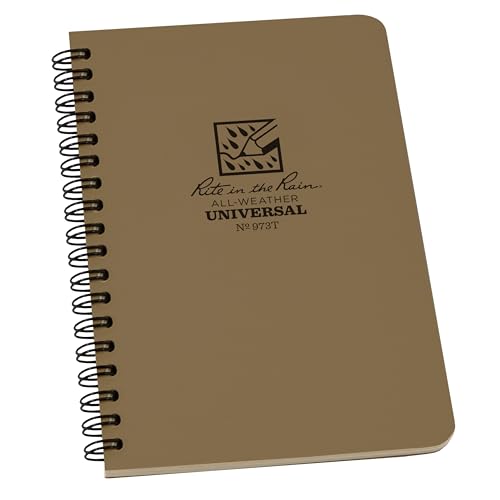
Test your quests in actual conditions—rain, humidity, cold that kills phone batteries. You need notes that survive the same weather your quest-takers will face.
As an Amazon Associate I earn from qualifying purchases. Prices may change.
Safety Tips
- The ZIPCIDE recorder's 270mAh battery supports 15 hours of continuous recording but needs 1.5 hours to fully charge. Charge it completely before long test walks to avoid losing observations mid-route.
- The Komelon measuring wheel's telescoping handle locks with a twist mechanism. Always verify it's locked at your preferred height before starting measurements—an unlocked handle can collapse mid-count and force you to restart your distance tracking.
Step-by-Step Guide
Map your local expertise
List 10-15 spots or routes you know better than Google: alleys with preserved architecture, vendor corners with free samples, lighting conditions at different hours. Skip famous landmarks. Focus on details that reveal you've actually been there repeatedly.
💡 Pro Tips:
- • Good specifics: 'The northeast market vendor gives herb samples.' Bad: 'There's a nice farmers market.'
- • Include weird details that prove local knowledge—fire escapes, lighting angles, seasonal quirks
Define one specific action
Choose a single activity from your list and write what someone DOES in under 10 words. 'Photograph five Art Deco details within three blocks' works. 'Architecture walk' doesn't. The verb drives everything: photograph, collect, taste, measure, sketch, interview.
💡 Pro Tips:
- • Test your action phrase: if someone could complete it accidentally, it's too vague
Walk and measure everything
Time the route with a stopwatch. Use a measuring wheel (Komelon ML1212 reads up to 10,000 feet) for exact distances. Photograph every turn that could confuse someone. Test the route in reverse. Mark seasonal dependencies—does that vista only work with bare trees? Document with a weather-resistant notebook (Rite in the Rain stays readable in rain) and voice recorder (ZIPCIDE captures observations you'd forget).
💡 Pro Tips:
- • Walk at three different times of day to catch lighting and crowd changes
- • Use #2 pencil on wet paper, ballpoint when dry
Test difficulty with real strangers
Give your draft to someone who's never done it and watch where they hesitate or get lost. If three people struggle at the same step, rewrite it or add a photo. 'Beginner' means your 60-year-old mom could do this alone. 'Expert' requires specific skills beyond fitness. Build micro-rewards every 15-20 minutes so people don't wait 90 minutes for payoff.
Write like you're texting directions
Use landmarks, not just street names: 'Walk north on Main for two blocks until the red brick church.' Add time estimates for each section. Front-load something interesting in step one. Cut motivational fluff—'Proceed northward' becomes 'Walk north.' Build your supply list with only items people don't already own, plus one enhancement that genuinely improves the experience.
💡 Pro Tips:
- • If your supply list includes 'smartphone' or 'water bottle,' you're padding
Field test until three strangers succeed
Send the complete quest to someone in your city who didn't help create it. Have them attempt it without your assistance. Track completion time, what they skipped, what they enjoyed. Create your FAQ from real confusion points they raise, not made-up questions. Revise based on where they struggled. Link to related quests using action-based anchor text: 'photograph architectural details' not 'related quest.'
Gear Up for Your Quest
The gear that makes this quest work.
Pull it off

Voice Recorder or Recording App
Capture detailed observations during route testing without stopping to type—note timing, sensory details, confusion points while walking. Your written-up-later notes miss the immediate reactions.
+ complete the kit — 3 more

Local History Books or Archive Access
RecommendedAdd historical context that isn't on Google. The story about why that building has two different brick colors, or what that empty lot used to be. Makes your quest feel researched, not just observed.
Library card for digital archives or used bookstore finds
Get on Amazon · $2.99 — Local History Books or Archive Accessdetails & deals →
Waterproof Notebook
RecommendedTest your quests in actual conditions—rain, humidity, cold that kills phone batteries. You need notes that survive the same weather your quest-takers will face.
All-weather field notebook
Get on Amazon · $9.94 — Waterproof Notebookdetails & deals →
Give accurate distance estimates instead of guessing. 'Walk 200 feet' is more useful than 'walk a couple blocks.' Makes your directions trustworthy when people realize your measurements are consistently accurate.
Compact distance measurement tool
Get on Amazon · $25.46 — Measuring Wheel or Laser Distance Measuredetails & deals →RELATED GEAR GUIDE
Fermentation & Canning Kit: 8 Beginner Picks
Field-tested picks · Creative Arts
As an Amazon Associate, IRL Sidequests earns from qualifying purchases at no extra cost to you.
Prices and availability are subject to change. The price shown at checkout on Amazon at the time of purchase will apply.
Editor's Picks
Hand-selected quests our team thinks you'll love

Dawn Patrol: Your First Bird Watching Adventure
Wake up with the birds and see your neighborhood through new eyes.

Creative Skills Quest Hub: Learn By Doing
The best way to learn creative skills? Make bad art until it gets good.

Hand-Built Ceramic Bowl Workshop
Your hands built the first bowls 20,000 years ago. They still can.