
Master Traditional Dumpling Folding with Local Grandmothers
The best cooking teachers don't have Instagram accounts—they have flour under their nails and stories that span continents.
About This Quest
Connect with immigrant grandmothers in your community to learn authentic dumpling-folding techniques passed down through generations.
Every city has cooking wisdom hiding in plain sight—usually in the hands of immigrant grandmothers who've been folding dumplings since before you were born. These aren't YouTube tutorials with ring lights and editing. This is flour on the counter, rapid-fire hand movements you can barely follow, and techniques refined over 50+ years that no recipe blog can capture. You'll find these sessions through community centers, cultural associations, temple cooking groups, or immigrant service organizations. The real learning happens in the corrections: when Mrs. Chen reaches over and adjusts your thumb position, or when three grandmothers debate the proper pleat count for gyoza. You'll leave with sore fingers, a container of dumplings that look progressively better, and contact info for someone's nephew who needs English conversation practice. The economics are simple: bring ingredients or a small donation, receive knowledge worth thousands of cooking classes. You're not paying for content—you're participating in cultural transmission that's been happening in kitchens for centuries. The dumpling folds you learn (crescent, fish, rose, ingot, purse) serve as muscle memory that connects you to a living tradition most people only experience through takeout containers.
Why This Quest Matters
You'll walk away with muscle memory that connects you to centuries of kitchen wisdom—the kind that lives in hand corrections and three grandmothers debating proper pleat count, not recipe blogs. The dumpling folds (crescent, fish, rose, ingot, purse) become a physical archive of cultural transmission most people only experience through takeout containers. Plus, you'll have sore fingers, progressively better-looking dumplings, and contact info for someone's nephew who needs English practice.
What You'll Experience
- Traditional dumpling folds from multiple cultures (crescent, rose, fish, ingot, purse)
- Hand positioning and sealing techniques refined over 50+ years
- How to navigate community cooking spaces and cultural exchange
- Stories and connections that only emerge during shared kitchen work
- Which ingredient ratios and cooking methods matter versus cooking class theater
What You'll Need
Top gear to make this quest great.
Pull it off
Small Water Bowl with Pastry Brush
Finger-dipping works but wastes time and over-wets wrappers—a brush gives you precise edge sealing that prevents burst dumplings during cooking
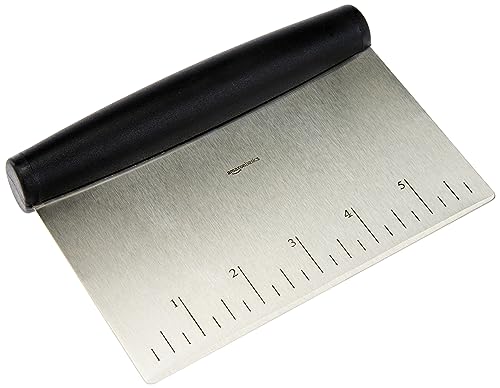
Keeps your workspace clean between batches and helps measure consistent filling portions—grandmothers eyeball it, but marked scrapers speed up your learning curve dramatically
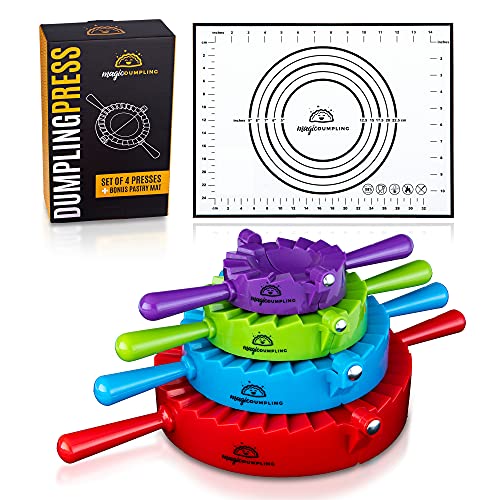
Acts as training wheels for your first 50 dumplings and lets you keep pace when everyone else has 40 years of muscle memory—no shame in tools that work
As an Amazon Associate I earn from qualifying purchases. Prices may change.
Safety Tips
- If using a silicone basting brush for oiling hot pans or steamers, verify it's rated for at least 600°F heat resistance to prevent melting. The one-piece design prevents bristle shedding, but always check the brush is BPA-free food-grade silicone before contact with food.
- When using dumpling maker molds held together by stainless steel pins, inspect the pin connection before each use to ensure it hasn't loosened. Confirm the plastic is labeled food-grade and dishwasher-safe before cleaning, as lower-quality materials may warp or leach chemicals when exposed to hot water.
Step-by-Step Guide
Find a community dumpling session
Contact cultural centers (Chinese, Korean, Japanese, Tibetan, Central Asian), religious temples with cooking programs, or immigrant service organizations. Ask specifically about dumpling-making events—many run monthly, especially before holidays. Confirm the format (drop-in vs. class), cost ($5-40 or donation-based), whether to bring ingredients, and which dumpling type you'll learn.
💡 Pro Tips:
- • Write down the specific dumpling fold you'll be learning—different cultures use different techniques
Arrive early and observe first
Trim your nails, remove rings, and show up 10 minutes early to help with setup—this earns goodwill and gets you better placement near experienced folders. Spend the first 5 minutes just watching the demonstrator's hands: where thumbs go, how wrappers are held, the pressure points for seals. Record a short video if allowed—the speed makes real-time memorization difficult.
💡 Pro Tips:
- • Bring a small apron and a bench scraper with measurement marks for practicing portions at home
Practice sealing before perfecting form
Your first 20 dumplings will look like sad pouches. Focus on sealing them shut so filling doesn't leak—speed and beauty come after functionality. Request corrections by saying 'Can you show me again?' or 'What am I doing wrong here?' These teachers expect questions and will physically adjust your hand position, which is the whole point.
💡 Pro Tips:
- • The crescent fold is easiest for beginners; ask to see rose and fish folds once you've mastered basic sealing
Stay for cooking and cleanup
Remain to boil, steam, or pan-fry the batch and eat together. This is when you hear the real stories and get invited to future sessions. Load the dishwasher, wipe counters, pack up leftover wrappers—showing up for the work builds the relationships that make this quest valuable.
💡 Pro Tips:
- • Document your first, middle, and last dumplings of the session—the improvement arc is dramatic and motivating
Secure your next invitation
Before leaving, ask about the next event or exchange contact info. Many teachers will invite you to their homes for holiday cooking or connect you with other cultural opportunities. Follow through—these relationships compound into access you can't buy.
💡 Pro Tips:
- • Note which fold you learned and who taught you; these become meaningful references as you progress
Gear Up for Your Quest
The gear that makes this quest work.
Pull it off

Small Water Bowl with Pastry Brush
Finger-dipping works but wastes time and over-wets wrappers—a brush gives you precise edge sealing that prevents burst dumplings during cooking
+ complete the kit — 2 more

Bench Scraper with Measurement Marks
RecommendedKeeps your workspace clean between batches and helps measure consistent filling portions—grandmothers eyeball it, but marked scrapers speed up your learning curve dramatically
Metal or plastic scraper with ruler markings for portioning filling and cleaning work surfaces
Get on Amazon · $6.59 — Bench Scraper with Measurement Marksdetails & deals →
Acts as training wheels for your first 50 dumplings and lets you keep pace when everyone else has 40 years of muscle memory—no shame in tools that work
Plastic molds in 3-4 sizes for different dumpling styles when hand-folding gets tiring
Get on Amazon · $19.95 — Dumpling Press Set (Multiple Sizes)details & deals →RELATED GEAR GUIDE
Guerrilla Gardening Gear: 6 Picks to Green Your Block
Field-tested picks · Social & Community
As an Amazon Associate, IRL Sidequests earns from qualifying purchases at no extra cost to you.
Prices and availability are subject to change. The price shown at checkout on Amazon at the time of purchase will apply.
Editor's Picks
Hand-selected quests our team thinks you'll love

Guerrilla Gardening: Plant Beauty Where It's Not Expected
That cracked sidewalk planter doesn't need to stay dead—fill it with wildflowers at 2AM and watch neighbors smile for months.

Backyard Conversation Workshop
Your backyard becomes the training ground where awkward silences turn into confident conversations.

Community Kitchen & Culinary Connection Hub
The best recipes get passed hand-to-hand, not screen-to-screen.