
Fermentation Alchemy: Home Kitchen Lab
Your kitchen counter becomes a microbiology lab—no degree required.
About This Quest
Transform raw vegetables and tea into living foods through fermentation. Learn to create sauerkraut, kimchi, and kombucha using controlled microbial cultures.
Fermentation turns your kitchen into a controlled experiment in microbiology. You're not just cooking—you're cultivating beneficial bacteria that transform cabbage into tangy sauerkraut, radishes into fizzy kimchi, and sweet tea into probiotic-rich kombucha. The process demands attention to salt ratios, temperature, and timing, but the payoff is food that's alive, complex, and uniquely yours. The first batch teaches you patience. Cabbage sits in brine for five days while lactobacillus bacteria multiply, creating carbon dioxide bubbles and that distinctive sour bite. You'll check it daily, pressing down vegetables that float above the brine, watching the liquid turn cloudy. By day seven, the smell shifts from raw cabbage to something sharper, more interesting. That's when you know the transformation is complete. Once you've mastered basic kraut, kimchi adds complexity with gochugaru (Korean chili flakes), ginger, and fish sauce. Kombucha introduces a SCOBY—a rubbery disc of symbiotic bacteria and yeast that looks alien but produces a fizzy, slightly sweet drink after 7-10 days. Each ferment has its own rhythm and personality. Some batches turn out perfect, others too salty or too sour, but every attempt sharpens your intuition for what living food should taste and smell like.
Why This Quest Matters
You're not just preserving vegetables—you're learning to read the language of beneficial bacteria. Each batch teaches you to recognize the smell of lactobacillus at work, the texture of properly fermented crunch, and the satisfaction of food that's genuinely alive. After a month of daily check-ins, you'll open your fridge to rows of jars bubbling with your own microbial experiments, each one tasting like nothing you can buy in a store.
What You'll Experience
- How to read fermentation progress by smell, taste, and texture
- The salt ratios and temperatures that control bacterial growth
- How to troubleshoot kahm yeast, over-fermentation, and contamination
- The patience to wait 7-30 days for transformation to happen
- How to cultivate and maintain a living SCOBY culture
What You'll Need
Top gear to make this quest great.
Pull it off
Glass Fermentation Weights
Keeps vegetables submerged below brine to prevent mold and kahm yeast growth. Without weights, you'll spend time daily pressing floating cabbage back down, and exposure to oxygen ruins batches.
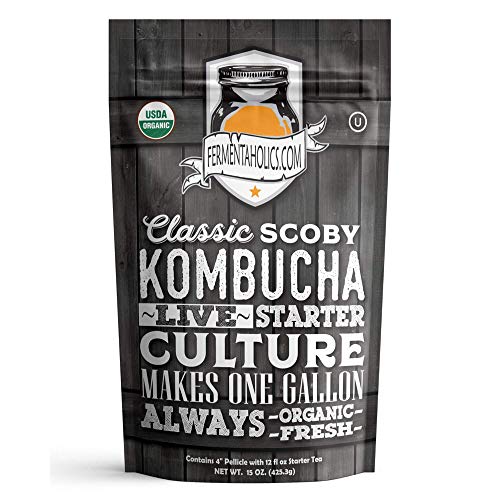
Essential for kombucha—you can't start fermentation without the symbiotic culture. Store-bought kombucha works but takes longer to establish a healthy colony. A dedicated starter kit gives you a mature SCOBY that begins producing immediately.
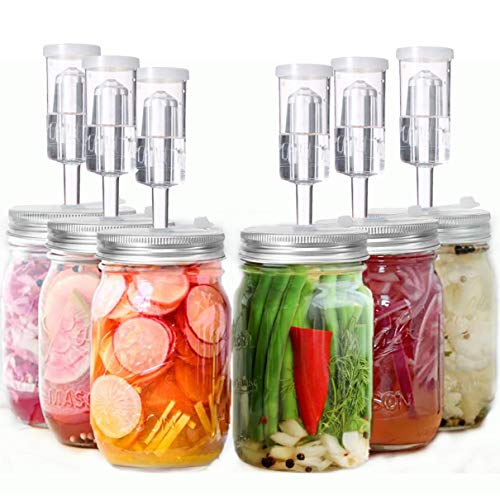
Allow CO2 to escape while blocking oxygen and contaminants, creating an anaerobic environment that prevents mold without daily monitoring. Speeds up the process and reduces failed batches.
As an Amazon Associate I earn from qualifying purchases. Prices may change.
Step-by-Step Guide
Massage cabbage into submission
Shred 2 pounds of green cabbage into thin strips. Sprinkle 1 tablespoon sea salt over it in a large bowl and massage aggressively for 5-10 minutes until the cabbage releases enough liquid to submerge itself. Pack tightly into a wide-mouth quart jar, pressing hard to eliminate air pockets. Add any remaining liquid from the bowl—the brine should cover vegetables by at least 1 inch.
💡 Pro Tips:
- • If cabbage doesn't release enough liquid, dissolve 1 teaspoon salt in ½ cup water and add it
- • Use a mandoline for uniform thin strips that ferment evenly
Weight it down and watch
Use fermentation weights or a small water-filled jar to keep cabbage submerged below the brine line. Cover loosely with a cloth or fermentation lid that allows gas to escape but keeps out contaminants. Place on a plate to catch overflow. Store at room temperature (65-75°F) away from direct sunlight. Check daily, pressing down any vegetables that float above the brine.
💡 Pro Tips:
- • Taste after 5 days—it should be tangy but crunchy. Continue fermenting until it reaches your preferred sourness (7-14 days typical)
Graduate to kimchi complexity
Follow the same cabbage-massaging process, but add 1 tablespoon grated ginger, 3 minced garlic cloves, 2 tablespoons gochugaru, 1 tablespoon fish sauce, and sliced scallions to the mix. Toss in radish chunks or carrot matchsticks for texture. Ferment 3-7 days, checking daily.
💡 Pro Tips:
- • Gochugaru (Korean chili flakes) is less spicy than cayenne—it adds color and mild heat without overwhelming sourness
Brew kombucha with a SCOBY
Brew 4 cups strong black tea with ½ cup sugar, then cool completely to room temperature. Add to a half-gallon jar with a SCOBY and 1 cup starter liquid (unflavored kombucha from a previous batch or store-bought). Cover with tight-weave cloth secured with a rubber band. Ferment at 68-78°F for 7-10 days, tasting daily after day 5. When it balances sweet and tart, remove the SCOBY and reserve 1 cup liquid for your next batch.
💡 Pro Tips:
- • The SCOBY will form a new layer on top—this is normal and can be used to start another jar
- • Add fresh fruit or ginger to bottled kombucha for a second fermentation if you want carbonation
Track batches and troubleshoot
Record each batch in a notebook: date started, ingredients, room temperature, and tasting notes. White scum on brine is kahm yeast (harmless but unpleasant—skim it off). Soft vegetables mean over-fermentation. Pink or fuzzy mold means contamination—toss it and start over with cleaner equipment. The smell should be sour and pungent, never rotten.
💡 Pro Tips:
- • Warmer temps speed fermentation but can produce mushy vegetables
- • Too much salt slows bacteria growth; not enough headspace causes overflow
Expand your fermentation repertoire
Try fermented hot sauce with peppers and garlic, pickled ginger, or turnip kvass. Each vegetable has different sugar content and texture, creating distinct fermentation timelines and flavors. Keep experimenting until you develop instinct for when something's ready.
💡 Pro Tips:
- • Peppers ferment faster than cabbage; ginger ferments slower—adjust your timeline expectations accordingly
Gear Up for Your Quest
The gear that makes this quest work.
Pull it off

Glass Fermentation Weights
Keeps vegetables submerged below brine to prevent mold and kahm yeast growth. Without weights, you'll spend time daily pressing floating cabbage back down, and exposure to oxygen ruins batches.
+ complete the kit — 3 more

Essential for kombucha—you can't start fermentation without the symbiotic culture. Store-bought kombucha works but takes longer to establish a healthy colony. A dedicated starter kit gives you a mature SCOBY that begins producing immediately.
Live kombucha SCOBY with starter liquid, shipped fresh
Get on Amazon · $13.89 — SCOBY Starter Kitdetails & deals →
Airlock Fermentation Lids
RecommendedAllow CO2 to escape while blocking oxygen and contaminants, creating an anaerobic environment that prevents mold without daily monitoring. Speeds up the process and reduces failed batches.
Mason jar lids with built-in water-filled airlocks
Get on Amazon · $20.96 — Airlock Fermentation Lidsdetails & deals →
pH Test Strips
RecommendedConfirms fermentation is progressing safely. Properly fermented foods should hit pH 4.6 or lower to inhibit harmful bacteria. Takes the guesswork out of whether a batch is safe to eat, especially for beginners.
Paper strips that measure acidity levels (pH 2.0-5.0 range)
Get on Amazon · $3.99 — pH Test Stripsdetails & deals →RELATED GEAR GUIDE
Fermentation & Canning Kit: 8 Beginner Picks
Field-tested picks · Creative Arts
As an Amazon Associate, IRL Sidequests earns from qualifying purchases at no extra cost to you.
Prices and availability are subject to change. The price shown at checkout on Amazon at the time of purchase will apply.
Editor's Picks
Hand-selected quests our team thinks you'll love

Dawn Patrol: Your First Bird Watching Adventure
Wake up with the birds and see your neighborhood through new eyes.

Creative Skills Quest Hub: Learn By Doing
The best way to learn creative skills? Make bad art until it gets good.

Hand-Built Ceramic Bowl Workshop
Your hands built the first bowls 20,000 years ago. They still can.