
Food & Culinary Urban Exploration
The best food in your city hides behind unmarked doors and operates on word-of-mouth schedules.
About This Quest
Navigate your city's underground food scene. Track down hidden kitchens, back-alley eateries, and immigrant-run spots that Google Maps won't show you.
Your city's food map has layers most people never see. Behind the Yelp-optimized restaurants, there's a parallel network: basement noodle shops run by recent immigrants, pop-up taco stands that only appear on weekends, home kitchens serving traditional dishes through Instagram DMs. This quest teaches you to read the signs—literal and cultural—that lead to authentic food experiences. You'll learn to spot the tells: hand-written menus in untranslated languages, kitchens visible from the street, restaurants packed at odd hours with a single demographic. The smoked meat counter that's technically a convenience store. The "closed" bakery that opens its back door at 6 AM for regulars. The residential block where aunties sell tamales from coolers every Saturday morning. This isn't food tourism—it's food geography. You're mapping migration patterns, economic shifts, and cultural preservation through what people actually eat. The strip mall pho place with Cantonese BBQ in back tells you about overlapping Vietnamese and Chinese communities. The halal cart parked outside the mosque on Fridays reveals prayer-time economics. Every food pattern is data about how your city actually works.
Why This Quest Matters
You'll develop x-ray vision for your city's hidden food infrastructure, seeing past tourist traps to the immigrant economies, religious calendars, and shift-work patterns that shape what people actually eat. Every discovery is a thread connecting you to communities maintaining their food traditions against rent pressure and assimilation.
What You'll Experience
- How to read infrastructure clues that reveal unpermitted food businesses
- Timing patterns that unlock community-specific restaurant schedules
- The skill of navigating language barriers to order authentic dishes
- How migration patterns and cultural preservation manifest through food geography
- Respectful documentation practices that protect underground food operations
What You'll Need
Top gear to make this quest great.
Pull it off
Cash Envelope System Organizer
Underground food spots are cash-only. Pre-sorting bills by denomination ($1s, $5s, $20s) lets you pay quickly without fumbling, shows respect for vendors' time, and prevents the awkwardness of breaking large bills at a $3 taco stand.
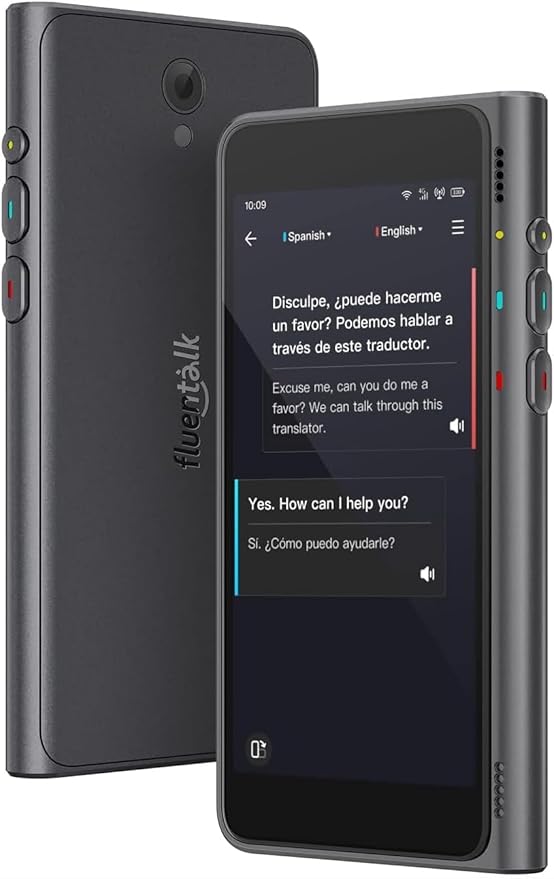
Enables real-time conversation with non-English speaking food vendors and kitchen staff without fumbling with phone apps. Offline capability works in basement restaurants with no signal.

Captures the texture details that make street food compelling—the char on a taco, the layers in hand-pulled noodles, the crystallized sugar on pastries. Better documentation than standard phone cameras.
As an Amazon Associate I earn from qualifying purchases. Prices may change.
Step-by-Step Guide
Scout ethnic enclaves and residential blocks
Walk areas near temples, mosques, and cultural centers between 10 AM-2 PM. Look for folding tables, coolers, and handwritten cardboard signs—these cash-only operations vanish by 3 PM. Track grease traps, exhaust vents, and health inspection grades on residential buildings to spot unpermitted home kitchens.
💡 Pro Tips:
- • Note locations discreetly and return during obvious business hours—don't hover or intrude on residential spaces
Hit wholesale districts during restaurant off-hours
Visit restaurant supply areas and produce markets around 11 AM or 3 PM when line cooks and delivery drivers take breaks. These counter-service spots have no English menus and serve worker-focused meals.
💡 Pro Tips:
- • Arrive hungry—portions are sized for people doing physical labor
Map grocery store back kitchens
Immigrant-owned supermarkets often run full kitchens serving their community's home cooking. The Filipino grocery's lumpia counter, the Russian market's pelmeni station, the Korean store's banchan bar—these compete with restaurants on quality and price.
💡 Pro Tips:
- • Go during lunch or early dinner when prepared food is freshest
Decode timing and language patterns
Real spots operate on their community's schedule—the Pakistani place packed at 2 AM serves post-shift taxi drivers; the pupusa vendor only appears Sunday mornings after church. Use Google Translate's camera function on untranslated menus, or just point and watch what regulars order.
💡 Pro Tips:
- • Restaurants with single-language menus aren't excluding you—they're serving their community first
Build rapport before extracting knowledge
Become a regular before asking questions. By your third visit, the owner might mention weekend-only specials. By your fifth, they'll explain dishes tied to religious holidays. Document food respectfully—no faces, no exact addresses of underground operations.
💡 Pro Tips:
- • Share the culture and cuisine, not GPS coordinates that'll overwhelm a 6-table operation with influencers
Gear Up for Your Quest
The gear that makes this quest work.
Pull it off

Cash Envelope System Organizer
Underground food spots are cash-only. Pre-sorting bills by denomination ($1s, $5s, $20s) lets you pay quickly without fumbling, shows respect for vendors' time, and prevents the awkwardness of breaking large bills at a $3 taco stand.
+ complete the kit — 3 more

Enables real-time conversation with non-English speaking food vendors and kitchen staff without fumbling with phone apps. Offline capability works in basement restaurants with no signal.
Dedicated translation earbuds or portable translator with downloadable language packs
Get on Amazon · $299.00 — Portable Translation Device with Offline Modedetails & deals →
Offline Mapping App with Custom Layer Support
RecommendedStandard maps don't show unmarked food stalls and home kitchens. Build your own food map with custom markers, notes, and timing information that syncs across devices without needing cell service.
Maps.me or similar app that allows offline map downloads and custom pin placement

Captures the texture details that make street food compelling—the char on a taco, the layers in hand-pulled noodles, the crystallized sugar on pastries. Better documentation than standard phone cameras.
Clip-on macro lens attachment for smartphone with 15x-25x magnification
Get on Amazon · $25.99 — Compact Macro Lens for Food Photographydetails & deals →RELATED GEAR GUIDE
Night Walk Safety Gear: Be Seen, Be Heard, See Everything
Field-tested picks · Urban Exploration
As an Amazon Associate, IRL Sidequests earns from qualifying purchases at no extra cost to you.
Prices and availability are subject to change. The price shown at checkout on Amazon at the time of purchase will apply.
Editor's Picks
Hand-selected quests our team thinks you'll love

Urban Food & Beverage Culture Quest
The best food in your city isn't on Yelp's front page—it's where rent is cheap and menus aren't in English.

Historical Walking Tour: Read Your City's Hidden Stories
Every sidewalk crack has a story—you just need to know where to look.

Architecture Scavenger Hunt: Decode Your City's Hidden Design Language
That building you pass every day? It's been screaming details at you that you've never noticed.