
Master Hand Lettering & Modern Calligraphy
Your handwriting becomes art when you slow down and pay attention.
About This Quest
Transform ordinary words into visual art. Learn brush pen techniques, composition principles, and develop a signature lettering style from your kitchen table.
Hand lettering isn't about perfect penmanship—it's about intentional mark-making. The difference between regular writing and lettering is the same as the difference between humming a tune and singing it with dynamics. You're building letters stroke by stroke, considering weight, rhythm, and negative space. This quest starts with grip pressure control and basic strokes before moving into letterforms. You'll drill thick downstrokes and thin upstrokes until muscle memory kicks in, then start playing with slant angles and spacing. The practice sheets become meditative after about 20 minutes—your breathing syncs with your strokes, and the repeated movements quiet everything else. By session three, you'll stop copying exemplars and start developing stylistic choices. Do your crossbars sit high or low? How aggressive is your slant? These micro-decisions become your signature. The goal isn't Instagram-perfect flourishes—it's building a skill that makes cards, labels, and signage look intentional instead of rushed.
Why This Quest Matters
Hand lettering transforms ordinary tasks—addressing mail, labeling gifts, making bookmarks—into small acts of intention. After a few sessions, your hand moves with a rhythm that quiets mental noise, and you develop stylistic choices that make your work unmistakably yours. The skill compounds: every envelope or card you letter reinforces muscle memory while giving friends something handmade to keep.
What You'll Experience
- Pressure control that creates thick and thin lines without drawing them
- How to see negative space between letters as deliberate shapes
- The muscle memory for consistent slant and rhythm across words
- Which stylistic choices—crossbar height, flourish style, letter weight—feel authentically yours
- How to turn functional items into intentional, handmade artifacts
What You'll Need
Top gear to make this quest great.
Pull it off
Tombow Fudenosuke Brush Pens (Hard & Soft Tip Set)
Creates the thick-thin stroke variation that defines modern calligraphy, more forgiving than traditional dip pens for beginners
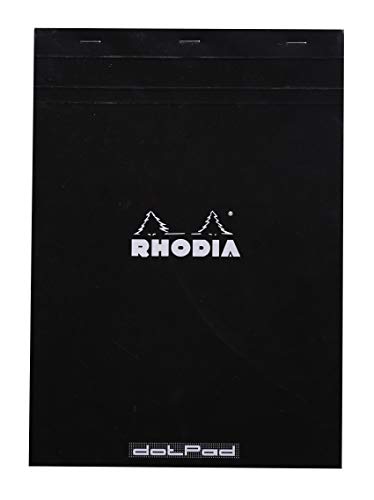
The dot grid provides invisible baselines for consistent letter height while the paper quality prevents ink bleed that ruins practice sheets
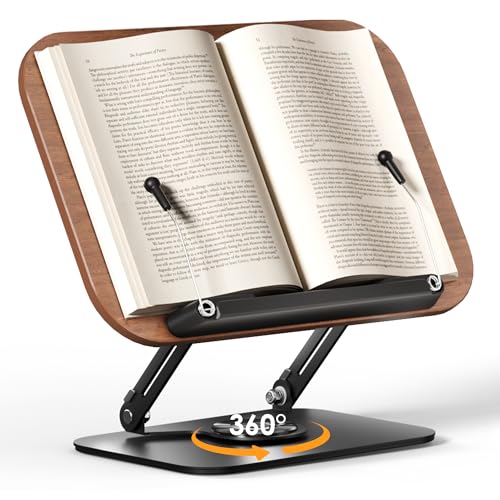
Eliminates neck strain from looking down at exemplars and keeps your dominant hand free—game-changer for multi-hour practice sessions
As an Amazon Associate I earn from qualifying purchases. Prices may change.
Step-by-Step Guide
Set up and drill basic strokes
Arrange smooth paper (laser printer paper beats textured notebooks) with lighting from your non-dominant side to eliminate hand shadows. Run 30 downstrokes with firm pressure, 30 upstrokes with light touch, then 30 ovals. Your hand should feel loose, not cramped—shake it out if your grip tightens.
💡 Pro Tips:
- • After 20 minutes, the repeated strokes become meditative and your breathing syncs with your hand movements
Build lowercase 'a' stroke by stroke
Spend 10 minutes constructing the letter 'a' in stages: oval body first, then exit stroke, then entrance stroke. Notice how pressure naturally creates thick downstrokes and thin upstrokes with a brush pen—you're not drawing the thickness, you're pressing it into existence.
Connect letters and establish slant
Practice letter pairs like 'na', 'mi', and 'un' to learn rhythm—each letter flows into the next without lifting the pen. Then write full words at three different slants: 55 degrees, 45 degrees, and upright. Pick whichever angle feels natural for your hand position and stick with it.
💡 Pro Tips:
- • Consistency in slant matters more than the specific angle you choose
Train your eye on spacing
Write the same word five times, adjusting how close letters sit to each other. They should almost touch but not quite. You'll start seeing the negative space between letters as shapes themselves, not just empty gaps.
Iterate and develop your style
Copy a quote or phrase you like 10 times, making one intentional change each iteration—tighter spacing, more flourish, heavier weight, different crossbar height. Document which versions feel most like you. These micro-decisions become your signature.
Make something real and track progress
Address an envelope, label a jar, or create a bookmark—use the skill for actual output instead of just practice sheets. Then photograph your work from session one next to your current work. The side-by-side comparison reveals improvement that daily practice makes hard to notice.
Gear Up for Your Quest
The gear that makes this quest work.
Pull it off

Tombow Fudenosuke Brush Pens (Hard & Soft Tip Set)
Creates the thick-thin stroke variation that defines modern calligraphy, more forgiving than traditional dip pens for beginners
+ complete the kit — 3 more

The dot grid provides invisible baselines for consistent letter height while the paper quality prevents ink bleed that ruins practice sheets
French paper with a subtle dot grid and silky-smooth surface that prevents brush pen feathering
Get on Amazon · $14.57 — Rhodia Dot Pad (A4)details & deals →
Adjustable Book Stand or Tablet Holder
RecommendedEliminates neck strain from looking down at exemplars and keeps your dominant hand free—game-changer for multi-hour practice sessions
Angled stand that holds reference materials or tablets at eye level while you work
Get on Amazon · $22.38 — Adjustable Book Stand or Tablet Holderdetails & deals →
Procreate or Adobe Fresco (Lettering Apps)
OptionalLets you experiment with letterforms and compositions without wasting materials, then apply digital discoveries to analog practice
Digital lettering apps with pressure-sensitive brushes and infinite undo capabilities
RELATED GEAR GUIDE
Fermentation & Canning Kit: 8 Beginner Picks
Field-tested picks · Creative Arts
As an Amazon Associate, IRL Sidequests earns from qualifying purchases at no extra cost to you.
Prices and availability are subject to change. The price shown at checkout on Amazon at the time of purchase will apply.
Editor's Picks
Hand-selected quests our team thinks you'll love

Dawn Patrol: Your First Bird Watching Adventure
Wake up with the birds and see your neighborhood through new eyes.

Creative Skills Quest Hub: Learn By Doing
The best way to learn creative skills? Make bad art until it gets good.

Hand-Built Ceramic Bowl Workshop
Your hands built the first bowls 20,000 years ago. They still can.