
Hands-On Making Hub: Build, Craft & Create
Your hands are smarter than you think—time to prove it.
About This Quest
Transform your space into a creative workshop. Learn hands-on techniques from woodworking to pottery, with real maker skills you can use immediately.
Most people haven't used their hands to actually make something in years. Not assemble IKEA furniture or follow a paint-by-numbers kit—really make something from raw materials. This quest drops you into the world of maker spaces, craft workshops, and DIY studios where you'll work with wood, clay, metal, fabric, or whatever medium calls to you. You'll leave with something tangible you built yourself and the confidence to tackle bigger projects. The best part? You don't need to buy a garage full of tools or commit to a full course. Most cities have maker spaces where you can access professional equipment and learn from experienced makers who actually want to share their knowledge. Whether you're carving a wooden spoon, throwing a bowl on a pottery wheel, or welding your first metal sculpture, you'll discover which materials speak to you. This isn't about perfect results—it's about the process. Your first attempt might be wonky, but that wonky wooden bowl or lopsided ceramic mug becomes your favorite piece because you made it. You'll understand why makers get obsessed with their craft when you see raw material transform under your hands.
Why This Quest Matters
Most people haven't felt raw material transform under their hands in years. You'll walk out with a tangible object you actually built—maybe imperfect, maybe your new favorite mug—and the muscle memory to tackle bigger projects. That first moment when wood shavings curl off your blade or wet clay centers on the wheel, you'll understand why makers get obsessed.
What You'll Experience
- Which materials and making processes actually appeal to you
- Basic safety protocols and tool handling for your chosen medium
- How to troubleshoot real craft problems (wood grain splits, uneven clay walls, weak joints)
- Where to access professional equipment without buying a garage full of tools
- The difference between following instructions and actually making decisions with your hands
What You'll Need
Top gear to make this quest great.
Pull it off
Safety Glasses with Side Shields
Most maker spaces require certified eye protection. Side shields protect against dust and debris from multiple angles when working with power tools, grinding, or sanding. Regular glasses don't cut it.
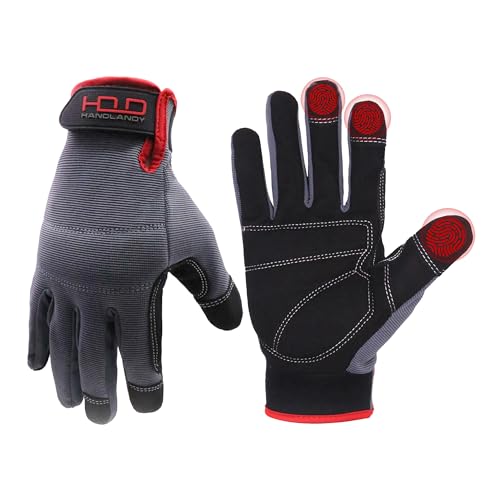
Protects your hands when handling rough wood, metal edges, or sharp tools while maintaining dexterity for detailed work. Choose fitted gloves—baggy ones get caught in machinery.
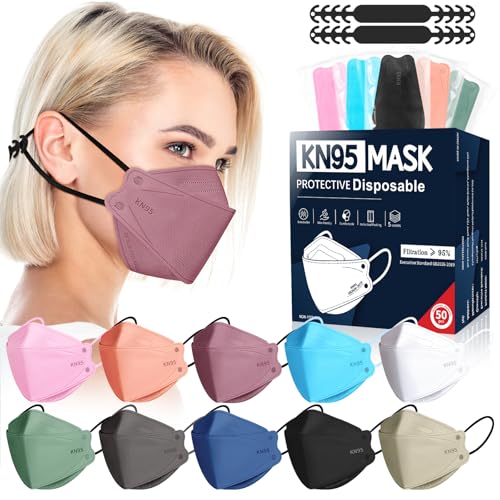
Wood dust, clay particles, and metal filings are no joke for your lungs. A proper respirator filters out particles that cloth masks miss. If you're working with finishes, adhesives, or resins, upgrade to a respirator with VOC cartridges.
As an Amazon Associate I earn from qualifying purchases. Prices may change.
Step-by-Step Guide
Find your local maker space
Search for maker spaces, community workshops, or craft studios near you. Check your public library's website first—many now run free maker labs with 3D printers, laser cutters, and hand tools. Look for drop-in hours or beginner-friendly intro sessions.
💡 Pro Tips:
- • Match your material interest to facility capabilities: wood carving needs minimal setup, pottery requires kiln access, metalworking needs proper ventilation
Book a beginner session and observe
Reserve an intro class or open workshop time (typically $15-40 for 2-3 hours with materials, or $50-100 monthly memberships for ongoing access). Arrive 20 minutes early to watch experienced makers at work—how they grip tools, organize stations, and fix problems in real time.
💡 Pro Tips:
- • Ask questions between projects; most makers genuinely enjoy sharing what they know
Make something simple and functional
Choose a practical first project: wooden cutting board, hand-thrown bowl, welded plant stand, or screen-printed tote. Functional objects teach you how materials actually behave—grain direction, wall thickness, structural weight, color layering—through real problem-solving, not just aesthetics.
💡 Pro Tips:
- • Your first attempt will be wonky—gapped joints, cracked clay, messy welds. Every maker in the room started exactly there.
Document and clean up thoroughly
Take quick phone photos between work stages for your own reference (not Instagram—for troubleshooting your next project). Note what worked and what failed while details are fresh. Before leaving, clean your station better than you found it—maker spaces survive on shared respect.
Ask what to learn next
Before you leave, ask your instructor or nearby makers what technique or workshop they'd recommend if you enjoyed the medium. They'll steer you toward specific skills, local artisans, or upcoming sessions that match where you are now.
Gear Up for Your Quest
The gear that makes this quest work.
Pull it off

Safety Glasses with Side Shields
Most maker spaces require certified eye protection. Side shields protect against dust and debris from multiple angles when working with power tools, grinding, or sanding. Regular glasses don't cut it.
+ complete the kit — 4 more

Protects your hands when handling rough wood, metal edges, or sharp tools while maintaining dexterity for detailed work. Choose fitted gloves—baggy ones get caught in machinery.
Flexible work gloves with textured palms for handling materials
Get on Amazon · $9.99 — Work Gloves with Gripdetails & deals →
Dust Mask or Respirator
EssentialWood dust, clay particles, and metal filings are no joke for your lungs. A proper respirator filters out particles that cloth masks miss. If you're working with finishes, adhesives, or resins, upgrade to a respirator with VOC cartridges.
N95 rated mask or half-face respirator for fine particulate protection
Get on Amazon · $9.99 — Dust Mask or Respiratordetails & deals →
Digital Caliper
RecommendedTransforms your making from guesswork to precision. Essential for checking thickness, measuring joints, or ensuring symmetry. Switches between metric and imperial instantly, making it easier to follow any tutorial or pattern.
Precise measuring tool reading to 0.01mm accuracy
Get on Amazon · $6.99 — Digital Caliperdetails & deals →
Shop Apron with Tool Pockets
RecommendedKeeps tools within reach and protects your clothes from glue, stains, and sharp edges. The pocket system means you're not constantly walking back to your tool station. Leather works for welding, heavy canvas for everything else.
Canvas or leather apron with multiple pockets and adjustable straps
Get on Amazon · $39.99 — Shop Apron with Tool Pocketsdetails & deals →RELATED GEAR GUIDE
Fermentation & Canning Kit: 8 Beginner Picks
Field-tested picks · Creative Arts
As an Amazon Associate, IRL Sidequests earns from qualifying purchases at no extra cost to you.
Prices and availability are subject to change. The price shown at checkout on Amazon at the time of purchase will apply.
Editor's Picks
Hand-selected quests our team thinks you'll love

Dawn Patrol: Your First Bird Watching Adventure
Wake up with the birds and see your neighborhood through new eyes.

Creative Skills Quest Hub: Learn By Doing
The best way to learn creative skills? Make bad art until it gets good.

Hand-Built Ceramic Bowl Workshop
Your hands built the first bowls 20,000 years ago. They still can.