
Hands-On Making & Expression Workshop
Your hands know things your brain hasn't learned yet.
About This Quest
Learn practical making techniques through direct experimentation with materials, tools, and creative processes in a hands-on workshop format.
Making things with your hands rewires your brain differently than scrolling or typing. This quest walks you through foundational techniques across multiple making disciplines—clay work, block printing, fiber manipulation, collage assembly. You'll learn by doing, not watching tutorials. The messiness is the point. The imperfections teach you about material behavior faster than any instruction manual. Set up a dedicated making zone where you can leave projects mid-process. Cover your surface with kraft paper or cardboard. Gather materials that respond to pressure, heat, tearing, folding. Start with one technique until your hands remember the motion, then switch. The goal isn't finished products—it's understanding how materials want to move and how your decisions shape outcomes. You'll notice your attention span shifts. Three-dimensional problem-solving activates different neural pathways than screen-based work. By hour two, you're not following steps—you're having conversations with materials. That's when the real learning happens.
Why This Quest Matters
Screen work trains you to think in pixels and perfect undo buttons. Hand-making trains you to feel material resistance, to recover from mistakes mid-process, to have real-time conversations with physical matter. By hour two, you're not executing steps—you're responding to what the clay does when you push it, what the ink reveals about your carving, what the paper tells you about tear direction. That feedback loop rewires how you solve problems in three dimensions.
What You'll Experience
- How pressure, moisture, and timing affect clay behavior
- The difference between carving negative space and positive forms
- Why tension matters in fiber work and how to feel it
- How to let materials guide decisions instead of forcing predetermined outcomes
- What your hands remember faster than your conscious mind
What You'll Need
Top gear to make this quest great.
Pull it off
Matte Medium (8oz)
Bonds dissimilar materials cleanly without warping paper—dries clear and acts as both glue and protective finish
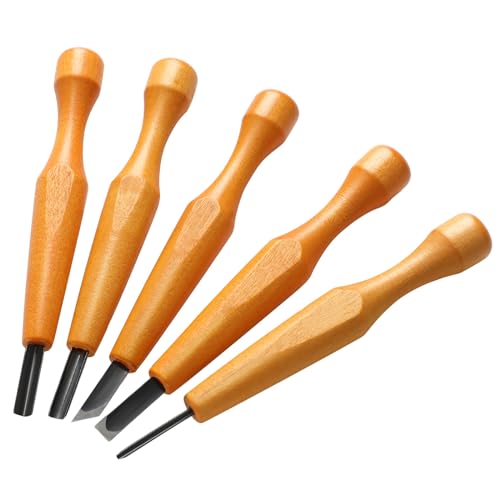
Enables precise printmaking and relief carving with proper control—safer and more effective than improvising with craft knives
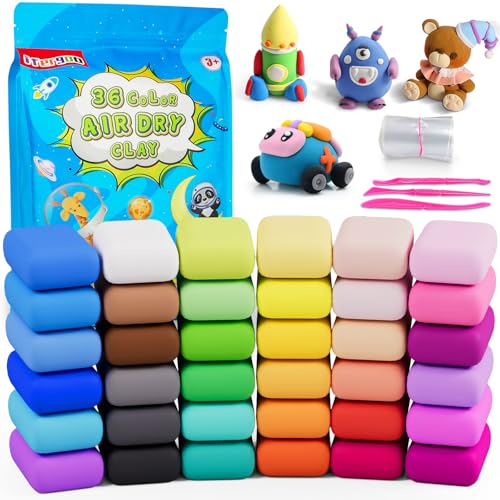
Lets you explore 3D forming without needing specialized equipment—stays workable longer than natural clay and doesn't require firing
As an Amazon Associate I earn from qualifying purchases. Prices may change.
Step-by-Step Guide
Build your making station
Cover your table with kraft paper. Set out plastic bins for wet materials, arrange tools within arm's reach, and keep a water container, rags, and trash bag nearby. You want everything accessible without breaking your focus once you start working.
💡 Pro Tips:
- • Use a lazy Susan or tray to group tools by technique—clay tools together, printing tools together
- • Keep your phone in another room; material work demands different attention than screens
Wake up clay memory
Wedge a softball-sized clay chunk for five minutes, feeling how pressure changes consistency. Form three basic shapes—sphere, cylinder, cube—then try a pinch pot: press your thumb into the center and rotate while pinching walls to pinkie-nail thickness. Your hands will tell you where they naturally want to push.
💡 Pro Tips:
- • Clay that's too dry cracks; too wet sticks. The right consistency feels like a soft eraser
Carve and print your design
Cut a simple three-inch design into linoleum using V-gouge for details and U-gouge for clearing space. Carve away negative space so raised surfaces carry the image. Roll ink onto the block, then press it onto paper with firm, even palm pressure.
💡 Pro Tips:
- • Always carve away from your body—linoleum tools are sharper than they look
- • Your first print reveals what you actually carved versus what you thought you carved
Experiment with fiber manipulation
Take yarn or fabric strips and explore knotting, weaving, or wrapping around wire and cardboard. Try macramé square knots or make a simple loom by cutting slits in cardboard edges and threading warp strings through them. Notice how tension affects structure.
💡 Pro Tips:
- • Tension is everything in fiber work—too tight and it bunches, too loose and it sags
Assemble an intuitive collage
Tear papers (cutting is too controlled for this), layer different textures, add found objects. Use matte medium to adhere layers. No planning—let your hands decide what goes where. The composition reveals itself as you work.
💡 Pro Tips:
- • Torn edges catch light differently than cut edges and create softer transitions
Capture what your hands discovered
Photograph your hands mid-process, material transformations, and happy accidents. Write down one material behavior that surprised you—how clay cracked when you rushed it, how ink spread on textured paper, how knots tightened under load. Clean up while clay is still workable and wrap unfinished pieces in damp towels and plastic.
💡 Pro Tips:
- • Future you will thank present you for storing tools properly—dried-on clay ruins brushes
Gear Up for Your Quest
The gear that makes this quest work.
Pull it off

Matte Medium (8oz)
Bonds dissimilar materials cleanly without warping paper—dries clear and acts as both glue and protective finish
+ complete the kit — 3 more

Linoleum Block Carving Set
RecommendedEnables precise printmaking and relief carving with proper control—safer and more effective than improvising with craft knives
Block carving tools with multiple gouge sizes and ergonomic handles
Get on Amazon · $15.99 — Linoleum Block Carving Setdetails & deals →
Air-Dry Polymer Clay Variety Pack
RecommendedLets you explore 3D forming without needing specialized equipment—stays workable longer than natural clay and doesn't require firing
Pre-conditioned clay in multiple colors that cures without a kiln
Get on Amazon · $9.99 — Air-Dry Polymer Clay Variety Packdetails & deals →
Brayer Roller for Printmaking
RecommendedCreates professional-quality ink coverage on carved blocks—eliminates streaky hand-applied prints and gives consistent results
Rubber roller for applying ink evenly to printing blocks
Get on Amazon · $6.98 — Brayer Roller for Printmakingdetails & deals →RELATED GEAR GUIDE
Fermentation & Canning Kit: 8 Beginner Picks
Field-tested picks · Creative Arts
As an Amazon Associate, IRL Sidequests earns from qualifying purchases at no extra cost to you.
Prices and availability are subject to change. The price shown at checkout on Amazon at the time of purchase will apply.
Editor's Picks
Hand-selected quests our team thinks you'll love

Dawn Patrol: Your First Bird Watching Adventure
Wake up with the birds and see your neighborhood through new eyes.

Creative Skills Quest Hub: Learn By Doing
The best way to learn creative skills? Make bad art until it gets good.

Hand-Built Ceramic Bowl Workshop
Your hands built the first bowls 20,000 years ago. They still can.