
Host a Neighborhood Swap Meet
The best conversations happen when money's off the table and your neighbor's spare sourdough starter is suddenly valuable currency.
About This Quest
Transform your street into a thriving swap economy where neighbors trade skills, goods, and stories face-to-face.
Swap meets strip away the transactional weirdness of modern neighborly interaction. No forced small talk at the mailbox, no awkward "we should hang out sometime." Just tables full of stuff people actually want—houseplants, tools, homemade preserves, that bread machine gathering dust—and the implicit permission to stand around talking about it. You'll see the guy from three doors down who restores vintage bikes, the family with the epic garden surplus, the retired teacher with a garage full of craft supplies. The magic happens in the overlap. Someone brings seedlings, someone else brings mason jars, a third person mentions they're learning to ferment vegetables, and suddenly you've got a pickling club forming in real time. The swap economy creates natural conversation anchors that LinkedIn icebreakers and community Facebook groups can't touch. People remember the person who traded them that cast iron skillet, not the person who waved from their porch once. Set up takes about an hour if you're organized: tables borrowed from whoever has them, signs at the block entrances, a simple "take what you need, leave what you can" vibe. The event itself runs 2-3 hours—long enough for multiple waves of people, short enough that it doesn't drag. By hour two, you'll have clusters of neighbors planning tool libraries, carpools, and dinner swaps. That's the real yield: not the stuff changing hands, but the social infrastructure that emerges when people realize their neighbors are actual resources.
Why This Quest Matters
The swap economy strips away transactional awkwardness and creates natural conversation anchors that neighborhood Facebook groups can't touch. By hour two, you'll have clusters planning tool libraries and dinner swaps—that's the real yield, not the stuff changing hands but the social infrastructure that emerges when neighbors realize they're actual resources. People remember the person who traded them that cast iron skillet, not the person who waved from their porch once.
What You'll Experience
- How to design physical space that encourages organic conversation over forced small talk
- The power of paper flyers and personal handoffs for event turnout
- Facilitation moves that spark clusters without over-hosting
- How non-monetary exchange creates stronger social bonds than transactional interaction
- The 48-hour follow-up window for converting event energy into recurring structure
What You'll Need
Top gear to make this quest great.
Pull it off
Folding Banquet Tables (6-8 foot)
Dedicated display surfaces prevent the chaotic pile effect; people browse actual organized offerings instead of digging through boxes. Uniform table height creates professional feel that signals 'real event' vs. 'random pile of stuff.'
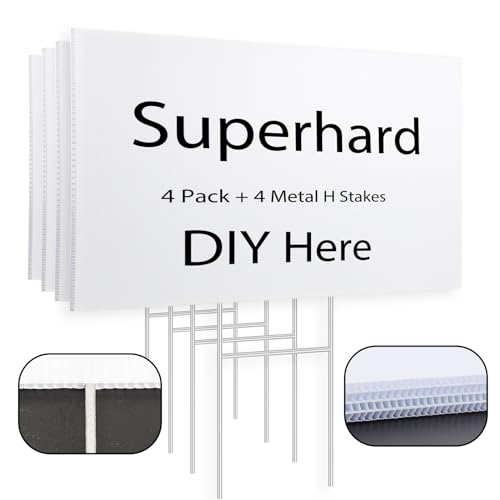
Directional signs at block entrances funnel foot traffic; every extra household that shows up exponentially increases conversation density. 'Swap Meet Today ↓ 123 Maple' beats digital-only promotion.
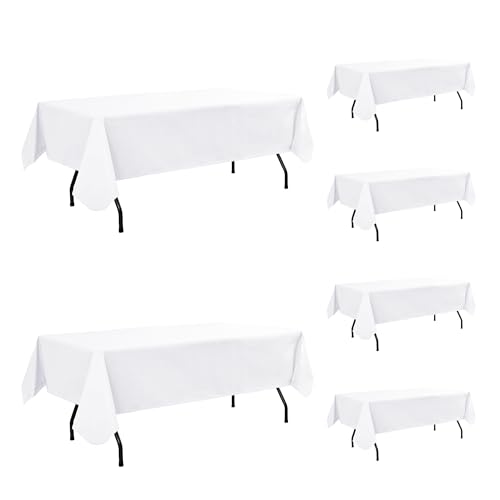
Creates visual cohesion, protects items from dirty tables, and bright colors (especially primary colors or patterns) make the event visible from down the block—crucial for walk-up traffic.
As an Amazon Associate I earn from qualifying purchases. Prices may change.
Step-by-Step Guide
Scout space and recruit households
Two weeks out, pick your venue—front yard, driveway, or blocked street section. Check permit needs for street closure (most residential blocks skip this for sub-4-hour events). Hand-deliver flyers with tear-off tabs to 20-30 nearest houses; include your number, date, and categories like books, plants, tools, preserves, skills. Paper beats digital for turnout.
💡 Pro Tips:
- • Measure table capacity: aim for 8-12 feet per 5-6 participating households
- • Follow up with neighborhood app posts, but the personal handoff does the heavy lifting
Set rules and create category signage
Establish no-money policy (this isn't a yard sale), working items only, no electronics without chargers. Make simple category signs: Kitchen & Home, Garden & Plants, Books & Media, Tools & Hardware, Handmade & Preserves. Print a one-page Skills Swap sheet where people list what they can teach or need help with.
💡 Pro Tips:
- • The skills board creates conversation anchors—put it on a clipboard with pens chained to it at entry point
Arrange tables and beverage station
Set up tables in a U-shape or open square so people naturally circulate. Tape category signs to table edges. Position the skills swap clipboard at entry with chained pens. Add a simple beverage station—cooler with water, coffee if you're feeling it.
💡 Pro Tips:
- • Open layout beats rows; you want neighbors to loop past each other multiple times
Kick off with brief intro, then step back
Give a 5-minute group welcome: take what interests you, leave what you're done with, trades encouraged but not required. Point people toward coffee and the skills board, suggest they meet someone new. Then let organic conversations form—resist over-hosting.
💡 Pro Tips:
- • If someone's standing alone, aim them toward the most social cluster: 'The plant people by the tomato starts are friendly'
Facilitate the flow and capture momentum
Restock popular categories as tables thin out. Take a group photo around the 90-minute mark when energy peaks. Announce last call 30 minutes before end time. Let the swap economy do its work—pickling clubs and tool libraries form in the overlap.
💡 Pro Tips:
- • Watch for natural clusters forming around specific topics; those are your future meetup groups
Wrap up and strike while warm
Leftover items go to whoever wants them, rest to charity pickup (schedule for next day). Collect contact info for group chat or monthly meetup. Send follow-up within 48 hours: 'Great meeting everyone—who wants to do a tool library next?' Momentum dies fast; capitalize on the social capital while it's hot.
💡 Pro Tips:
- • The post-swap message matters more than the event itself—that's where recurring structure gets built
Gear Up for Your Quest
The gear that makes this quest work.
Pull it off

Folding Banquet Tables (6-8 foot)
Dedicated display surfaces prevent the chaotic pile effect; people browse actual organized offerings instead of digging through boxes. Uniform table height creates professional feel that signals 'real event' vs. 'random pile of stuff.'
+ complete the kit — 4 more

Directional signs at block entrances funnel foot traffic; every extra household that shows up exponentially increases conversation density. 'Swap Meet Today ↓ 123 Maple' beats digital-only promotion.
Wire H-stakes with corrugated plastic blank signs (18x24 inch), pack of 6-10
Get on Amazon · $9.99 — Yard Sign Stakes with Blank Signsdetails & deals →
Weatherproof Tablecloths (vinyl or plastic)
RecommendedCreates visual cohesion, protects items from dirty tables, and bright colors (especially primary colors or patterns) make the event visible from down the block—crucial for walk-up traffic.
Bright colored vinyl tablecloths that won't blow away and can be wiped down
Get on Amazon · $26.63 — Weatherproof Tablecloths (vinyl or plastic)details & deals →
Large Dry-Erase Board with Stand
RecommendedLive skills swap board beats printed sheets—people see others adding entries and join in. Creates real-time "I can teach guitar / Need help with drywall" matches that feel spontaneous instead of pre-planned networking.
36x24 inch minimum dry-erase board with easel stand and markers
Get on Amazon · $35.93 — Large Dry-Erase Board with Standdetails & deals →
Weather Radio or Outdoor Speaker
OptionalLow-volume background music (classic rock, indie folk, anything non-divisive) fills awkward silence gaps and makes the space feel welcoming to approaching neighbors. Volume just loud enough to create ambiance, not loud enough to interrupt conversations.
Battery-powered portable speaker with weather resistance, 8+ hour battery
Get on Amazon · $35.99 — Weather Radio or Outdoor Speakerdetails & deals →RELATED GEAR GUIDE
Guerrilla Gardening Gear: 6 Picks to Green Your Block
Field-tested picks · Social & Community
As an Amazon Associate, IRL Sidequests earns from qualifying purchases at no extra cost to you.
Prices and availability are subject to change. The price shown at checkout on Amazon at the time of purchase will apply.
Editor's Picks
Hand-selected quests our team thinks you'll love

Guerrilla Gardening: Plant Beauty Where It's Not Expected
That cracked sidewalk planter doesn't need to stay dead—fill it with wildflowers at 2AM and watch neighbors smile for months.

Backyard Conversation Workshop
Your backyard becomes the training ground where awkward silences turn into confident conversations.

Community Kitchen & Culinary Connection Hub
The best recipes get passed hand-to-hand, not screen-to-screen.