
Master Professional Knife Skills at Home
Your cutting board becomes a training ground for professional precision.
About This Quest
Learn foundational knife techniques used in professional kitchens through deliberate practice with vegetables, precision cuts, and proper hand positioning.
Professional knife work isn't about speed—it's about control, consistency, and muscle memory. This quest strips away the mystique of culinary school knife techniques and gives you a structured practice session using ingredients you can actually cook with afterward. You'll work through the fundamental cuts: julienne, brunoise, chiffonade, and the proper claw grip that keeps your fingertips intact. The difference between home cooking and professional cooking often comes down to knife skills. When your vegetables are cut to uniform size, they cook evenly. When your herbs are properly chiffonaded instead of bruised, they taste cleaner. When your onions hit consistent dice, your mise en place looks less chaotic. This isn't about Instagram-worthy speed cuts—it's about building the foundation that makes everything else in the kitchen easier. You'll practice on carrots, onions, leafy herbs, and bell peppers. By the end, your cutting board will be covered in perfectly uniform vegetables ready for a stir-fry, soup, or stock. The tactile feedback of a sharp knife meeting a wooden board, the rhythm of proper technique, the satisfaction of uniform cuts—these are the sensory markers of competence building in real time.
Why This Quest Matters
Uniform cuts aren't just aesthetically pleasing—they transform how your food cooks. When every piece is the same size, nothing burns while other pieces stay raw. You'll finish with a cutting board full of perfectly prepped vegetables ready for actual cooking, plus the tactile confidence that comes from controlling a sharp blade with precision. This is the foundation that makes every other kitchen task easier.
What You'll Experience
- Proper claw grip that protects your fingertips while guiding the blade
- The four fundamental cuts: batonnet, julienne, brunoise, and chiffonade
- How to sharpen and maintain a chef's knife for clean cuts
- Professional onion and pepper technique that minimizes waste
- The muscle memory that turns deliberate movements into automatic precision
What You'll Need
Top gear to make this quest great.
Pull it off
Japanese Whetstone 1000/6000 Grit
Professional knife work requires professional sharpness. This whetstone gives you the edge retention needed for clean cuts without tearing produce. The difference between sharp and dull is the difference between precision and danger.
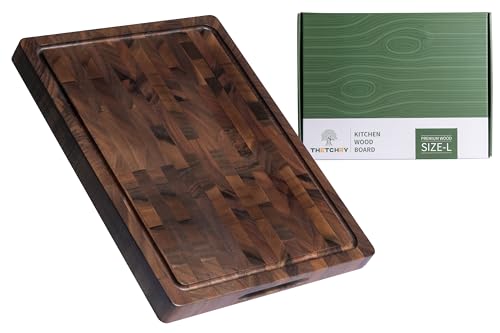
End-grain boards are gentler on knife edges and provide better grip for the blade. The self-healing wood fibers close after cuts, unlike plastic that develops grooves. Size matters—you need space to work without ingredients crowding your knife path.
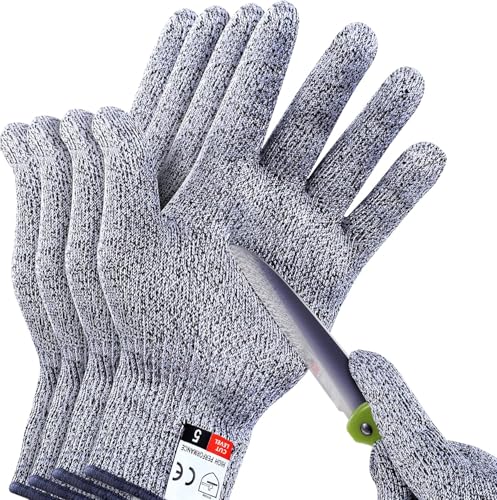
While proper technique is the real safety measure, a cut-resistant glove on your guide hand removes the fear factor when you're building muscle memory. Confidence matters when learning new grips.
As an Amazon Associate I earn from qualifying purchases. Prices may change.
Safety Tips
- The THOMEN cut resistant gloves provide level 5 protection and are especially useful for beginners learning claw grip technique. They can be washed by hand or dishwasher after use, making them easy to maintain for repeated practice sessions.
- Always attach the included stick-on rubber non-slip feet to the bottom of the THETCHRY cutting board before practicing knife skills. This minimizes the risk of the board sliding during cutting and reduces injury from sharp knives.
Step-by-Step Guide
Set up station and sharpen knife
Secure your walnut cutting board with non-slip feet so it won't shift under knife pressure. Sharpen your chef's knife on the whetstone: 1000 grit side first to repair the edge, then 6000 grit to hone and remove burrs. Test sharpness by slicing paper—it should cut cleanly without tearing.
💡 Pro Tips:
- • Use the angle guide included with your whetstone to maintain consistent sharpening angles
- • Good lighting is essential—you need to see your guide hand clearly to avoid injury
Master the claw grip with carrots
Curl your fingertips back, knuckles forward. Your knife blade rests against your knuckles and never rises above them. Practice this slowly with a carrot, letting the motion become automatic. If you're nervous, wear cut-resistant gloves during these first repetitions.
💡 Pro Tips:
- • The claw grip feels awkward at first—slow, deliberate repetitions build the muscle memory
Progress through the fundamental cuts
Start with batonnet: square off a carrot, cut 2-inch segments, slice into ¼-inch planks, then into ¼-inch sticks. Move to julienne using ⅛-inch thickness—line up 10 sticks and check for uniformity. Finally, crosscut your julienne into brunoise (⅛-inch cubes). Use the board's sorting compartment to keep finished cuts organized.
💡 Pro Tips:
- • Uniformity matters more than speed—identical cuts cook evenly
- • Each progression uses the previous cut as foundation, so don't rush ahead
Practice chiffonade and onion technique
Stack 5-6 basil or mint leaves, roll them tightly like a cigar, and slice crosswise into thin ribbons. If you're crushing instead of cutting, resharpen on 6000 grit. Then tackle an onion: halve through the root, make horizontal cuts (keeping root intact), vertical cuts following natural lines, and finally dice across. The root holds everything together.
💡 Pro Tips:
- • The deep juice groove on your board catches onion liquid and prevents countertop mess
Test precision with bell pepper
Remove top and bottom, stand the pepper upright, slice down the curves to create flat panels, scrape out white pith, then dice. You're aiming for clean edges with no ragged bits or wasted flesh. This reveals whether your knife control has truly improved.
Run a timed speed drill
Set a timer for 5 minutes and julienne one full carrot. Don't sacrifice form for speed—your sticks should look restaurant-quality uniform. This drill shows you what consistent technique feels like under light time pressure.
💡 Pro Tips:
- • Check your finished work against your first attempts—the difference reveals how much muscle memory you've built
Gear Up for Your Quest
The gear that makes this quest work.
Pull it off

Japanese Whetstone 1000/6000 Grit
Professional knife work requires professional sharpness. This whetstone gives you the edge retention needed for clean cuts without tearing produce. The difference between sharp and dull is the difference between precision and danger.
+ complete the kit — 2 more

End-grain boards are gentler on knife edges and provide better grip for the blade. The self-healing wood fibers close after cuts, unlike plastic that develops grooves. Size matters—you need space to work without ingredients crowding your knife path.
Large maple or walnut end-grain board with non-slip feet
Get on Amazon · $39.98 — End-Grain Wood Cutting Boarddetails & deals →
Cut-Resistant Kitchen Glove
RecommendedWhile proper technique is the real safety measure, a cut-resistant glove on your guide hand removes the fear factor when you're building muscle memory. Confidence matters when learning new grips.
High-performance polyethylene fiber glove for guide hand
Get on Amazon · $7.99 — Cut-Resistant Kitchen Glovedetails & deals →RELATED GEAR GUIDE
Fermentation & Canning Kit: 8 Beginner Picks
Field-tested picks · Creative Arts
As an Amazon Associate, IRL Sidequests earns from qualifying purchases at no extra cost to you.
Prices and availability are subject to change. The price shown at checkout on Amazon at the time of purchase will apply.
Editor's Picks
Hand-selected quests our team thinks you'll love

Dawn Patrol: Your First Bird Watching Adventure
Wake up with the birds and see your neighborhood through new eyes.

Creative Skills Quest Hub: Learn By Doing
The best way to learn creative skills? Make bad art until it gets good.

Hand-Built Ceramic Bowl Workshop
Your hands built the first bowls 20,000 years ago. They still can.