Design your own real-world quest system using challenge cards, point tracking, and reward mechanics that make ordinary days feel like gameplay.
The difference between checking your mail and completing a quest is how you frame it. This isn't about productivity hacking or self-optimization—it's about making mundane tasks feel like you're earning XP in a game you actually want to play. You'll build a physical deck of challenge cards, each one describing a real-world action: talk to a stranger at the coffee shop, take a photo of something red, find a book published the year you were born. The cards live in your pocket or bag. When you have 15 minutes to kill, you draw one.
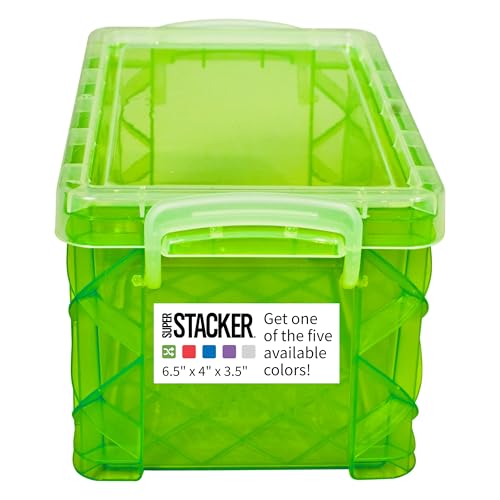
The system works because it's tactile. Digital to-do apps disappear into notification noise, but index cards with hand-drawn icons and point values become artifacts. I keep mine in a beat-up card box decorated with stickers from places I've been—if you want a head start, there's plenty of gear for gamifying your life that handles the card stock, dice, and storage side of things. The box itself is now part of the ritual—shuffling through completed quests feels like reviewing a log of minor adventures. You'll track points in whatever format clicks for you: a journal, a wall chart with stickers, or a simple tally in your phone's notes app. The scoring matters less than the psychological shift from "running errands" to "completing objectives."
The real payoff happens around week three, when you start inventing your own quests. The starter deck gets you moving, but the custom cards—"Find the oldest coin in circulation at three different stores," "Identify five birds by sound during your commute"—those become your signature moves. You'll notice patterns in what challenges excite you versus what feels like homework. That's the self-knowledge buried in the game mechanics.
Why This Quest Matters
The real payoff happens around week three, when you start inventing your own quests. The starter deck gets you moving, but custom cards—"Find the oldest coin in circulation at three different stores," "Identify five birds by sound during your commute"—become your signature moves. Shuffling through completed quests feels like reviewing a log of minor adventures, and the psychological shift from "running errands" to "completing objectives" changes how you move through your day.