
Linocut Block Printing Workshop
Carve once, print forever—create hand-printed art you can repeat, gift, or sell.
About This Quest
Carve your own designs into linoleum blocks and pull hand-printed art that's uniquely yours. Traditional printmaking technique you can master in an afternoon.
Linocut printing sits at the intersection of drawing, sculpture, and printmaking. You carve a mirror image of your design into a soft linoleum block using V-shaped gouges, roll ink across the raised surface, then press paper onto it to transfer the image. The satisfaction of peeling back that first print—seeing crisp lines and solid blacks emerge—hits different than digital art. Your hand pressure, the ink consistency, even slight variations in paper texture make each print subtly unique despite coming from the same block. The learning curve is forgiving. Simple geometric patterns and bold silhouettes work best for first attempts—think high-contrast designs with minimal fine detail. You'll nick yourself learning how to angle the gouge away from your hands (always carve away from your body), and your first block might have wobbly lines. That's part of it. By your third or fourth print, you'll feel the rhythm: ink the block evenly, position the paper, apply firm circular pressure with a wooden spoon or baren, lift carefully from one corner. Once you've carved a block, you can print it dozens of times. Mix ink colors, layer multiple blocks for multi-color prints, or experiment with different paper stocks. The block becomes a reusable stamp for greeting cards, zine covers, or fabric prints. Store finished blocks flat wrapped in newsprint—they'll last years if you don't gouge them accidentally while digging through your supplies.
Why This Quest Matters
That first peel-back moment when crisp black lines emerge from white paper hits harder than any screen result. You've created a reusable stamp that can print dozens of cards, zine covers, or fabric designs—each one subtly different from your hand pressure and paper texture. The carved block becomes a permanent tool in your creative arsenal, ready whenever you need multiples of your design.
What You'll Experience
- How to carve mirror-image designs that translate into clean prints
- The balance of ink consistency, pressure, and paper texture that makes good prints
- Which blade angles and gouge sizes create different line qualities
- How to turn one carved block into dozens of reproductions
- Why analog printmaking feels different than digital replication
What You'll Need
Top gear to make this quest great.
Pull it off
Speedball Linoleum Cutter Set with Interchangeable Blades
Different blade sizes let you cut fine details with small V-gouges and clear large areas with wide U-gouges. Interchangeable system is more economical than buying separate tools.
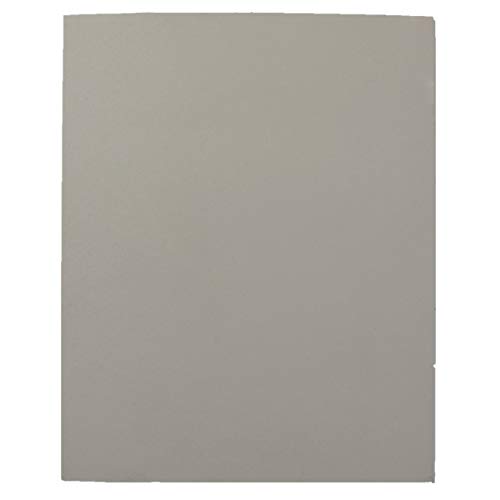
Unmounted blocks are easier to carve than mounted versions and can be cut to custom sizes. Two blocks let you test a simple design first, then tackle something more ambitious.
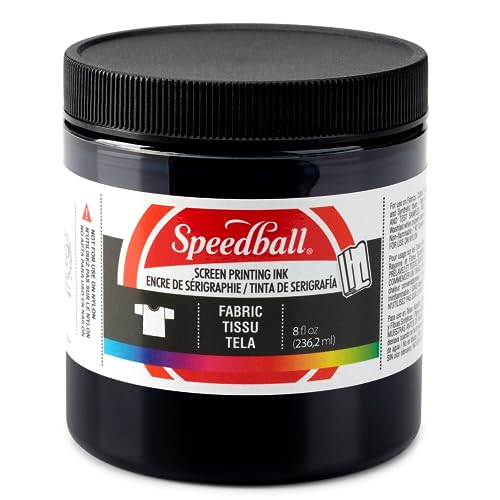
Water-based ink is beginner-friendly (easy cleanup), dries faster than oil-based, and produces crisp blacks. One tube yields 30-40 prints.
As an Amazon Associate I earn from qualifying purchases. Prices may change.
Safety Tips
- Store the unused Speedball lino cutters (#1, #2, #3, #5, #6) safely in the included red plastic handle's removable end storage compartment to prevent injuries and keep blades organized.
- The baren's clear varnish coating on the bottom prevents surface marks during operation—ensure you're using the varnished side against your paper to avoid damaging prints and to reduce sliding resistance.
Step-by-Step Guide
Design and transfer your image
Sketch a simple, high-contrast design on paper—bold shapes work better than fine detail. Transfer it to your 8x10 battleship grey linoleum block using graphite transfer paper, or draw directly with pencil. Shade areas you'll carve away (these become white in the print). Remember: mirror-flip text and asymmetric images.
💡 Pro Tips:
- • Your first design should have more black than white—easier to carve and more forgiving
- • Warm the linoleum block in your hands if it feels stiff; it carves more smoothly when slightly warm
Carve your block with gouges
Secure the block on a non-slip surface. Use the #1 Speedball cutter to outline details first, always pushing the blade away from your body. Switch to the wider #5 or #6 cutters to clear larger areas. The linoleum should peel away in thin curls, not crumble. Carved texture adds character—don't aim for perfectly smooth.
💡 Pro Tips:
- • Test your progress mid-carve: roll a thin layer of ink over the block to see which areas are raised
- • Clean carved debris with a soft brush before inking
Roll ink onto your carved block
Squeeze Speedball screen printing ink onto a glass palette. Roll your rubber brayer through it until the roller sounds slightly tacky—evenly coated but not dripping. Roll ink across the carved block in multiple directions (vertical, then horizontal) so raised areas are fully covered while carved grooves stay clean.
💡 Pro Tips:
- • Too much ink fills your carved lines; too little leaves patchy prints—tacky sound is your cue
Press and reveal your print
Position paper over the inked block carefully—don't shift it once it touches. Press firmly with your bamboo baren using circular motions from center outward for 30-60 seconds. Lift one corner slowly to check coverage, then peel the print off smoothly. Lay flat to dry for 15-20 minutes.
💡 Pro Tips:
- • If coverage is patchy, re-ink and try fresh paper—each attempt teaches you pressure and ink balance
Print multiples and clean up
Print several copies while your block is inked, experimenting with different papers or ink colors. The water-based Speedball ink cleans easily with soap and water while wet—dried ink is nearly impossible to remove from brayers. Store prints flat between newsprint sheets and wrap finished blocks to reuse for years.
Gear Up for Your Quest
The gear that makes this quest work.
Pull it off

Speedball Linoleum Cutter Set with Interchangeable Blades
Different blade sizes let you cut fine details with small V-gouges and clear large areas with wide U-gouges. Interchangeable system is more economical than buying separate tools.
+ complete the kit — 4 more

Unmounted blocks are easier to carve than mounted versions and can be cut to custom sizes. Two blocks let you test a simple design first, then tackle something more ambitious.
Battleship gray linoleum sheets, pre-cut and ready to carve, softer than mounted blocks
Get on Amazon · $13.11 — Unmounted Linoleum Block (6x8 inch, pack of 2)details & deals →
Water-based ink is beginner-friendly (easy cleanup), dries faster than oil-based, and produces crisp blacks. One tube yields 30-40 prints.
Thick, opaque black ink formulated for relief printing, cleans up with soap and water
Get on Amazon · $12.99 — Speedball Water-Based Block Printing Ink (Black, 5oz tube)details & deals →
4-inch Hard Rubber Brayer
EssentialDistributes ink in thin, even layers—mandatory for consistent prints. Hard rubber works for both water and oil-based inks.
Roller with firm rubber cylinder for applying ink evenly to blocks
Get on Amazon · $6.98 — 4-inch Hard Rubber Brayerdetails & deals →
Japanese Baren or Wooden Spoon
RecommendedTraditional baren gives more control than a spoon, distributing pressure evenly for crisper prints. A wooden spoon works fine but requires more effort and risks tearing paper.
Flat disc with smooth back used to burnish paper onto inked blocks with hand pressure
Get on Amazon · $12.69 — Japanese Baren or Wooden Spoondetails & deals →RELATED GEAR GUIDE
Fermentation & Canning Kit: 8 Beginner Picks
Field-tested picks · Creative Arts
As an Amazon Associate, IRL Sidequests earns from qualifying purchases at no extra cost to you.
Prices and availability are subject to change. The price shown at checkout on Amazon at the time of purchase will apply.
Editor's Picks
Hand-selected quests our team thinks you'll love

Dawn Patrol: Your First Bird Watching Adventure
Wake up with the birds and see your neighborhood through new eyes.

Creative Skills Quest Hub: Learn By Doing
The best way to learn creative skills? Make bad art until it gets good.

Hand-Built Ceramic Bowl Workshop
Your hands built the first bowls 20,000 years ago. They still can.