
Mix & Match Craft Techniques
Stop buying single-use craft kits. Build a technique stack that works across every project.
About This Quest
Learn to combine ink, paint, collage, and texture techniques in one session. Build a personal toolbox of methods that work together.
Most craft tutorials teach one technique in isolation—watercolor OR collage OR ink work. Real creative work happens when you layer methods. This quest teaches you to combine techniques in a single piece: watercolor washes meet magazine cutouts, then get outlined with ink, finished with texture from crumpled paper or salt crystals. You'll make three small pieces (postcard-sized) that each explore a different combination. By the end, you'll know which techniques play nice together and which fight for attention. The focus is on understanding material behavior. How does watercolor react when you add salt? What happens when you paint over wax crayon? Does ink bleed through magazine paper? You're not making a masterpiece—you're running experiments that build intuition. Use cheap materials: grocery store watercolors, free newsprint, scraps from junk mail. The point is to mess up fast and learn what sticks. This isn't about following someone else's aesthetic. It's about discovering your own combination patterns. Maybe you love the way gouache sits on top of ink. Maybe you prefer collage elements buried under thin paint layers. After this session, you'll have a personal technique vocabulary you can deploy on greeting cards, journal pages, or larger canvas work.
Why This Quest Matters
You'll walk away with three finished experiments that show you exactly how materials interact—which combinations create happy accidents and which just create mud. Instead of following tutorials forever, you'll have your own technique vocabulary to remix on every future project, from greeting cards to journal spreads to canvas work.
What You'll Experience
- How watercolor reacts to salt, plastic wrap, and wax resist
- Which techniques enhance each other versus compete for attention
- How to layer opaque and transparent media without killing the layers underneath
- Your personal preference patterns for texture, line work, and collage placement
- Material behavior through cheap, fast experiments instead of expensive mistakes
What You'll Need
Top gear to make this quest great.
Pull it off
Cold-Press Watercolor Paper Block (140 lb, 9x12 inch)
The weight and texture hold up to multiple wet layers without warping. Cold-press texture grabs pigment and creates interesting effects with salt and resist techniques. Block format means no tape needed.
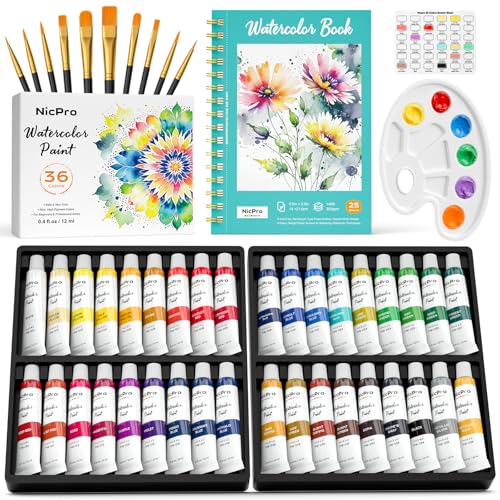
Small enough to work on postcard-sized pieces without waste. Tubes let you control dilution better than pans. You only need 5-6 colors to experiment with layering and transparency.
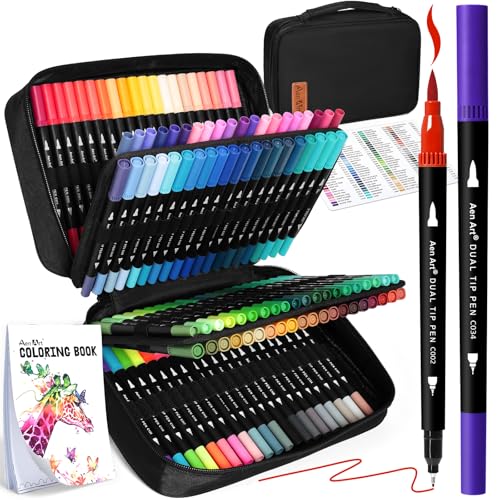
Allows you to lay down ink that you can then blend with water for watercolor effects, or use dry for crisp line work. The dual tips let you switch between detail and fill without changing tools. Water-based ink plays nice with collage glue.
As an Amazon Associate I earn from qualifying purchases. Prices may change.
Safety Tips
- The MEEDEN watercolor paper is 140lb/300gsm cold-pressed cotton, acid-free and pH-neutral, meaning it's durable enough for heavy water application and won't warp easily—but still allow 15-20 minutes full drying time before adding ink or collage layers to prevent buckling.
- The HNIHUY white gel pens contain water-based waterproof archival ink that's acid-free and blends well with watercolors and markers—however, let watercolor layers dry completely before applying white gel pen details to prevent smudging or ink bleeding into wet pigment.
Step-by-Step Guide
Prep three surfaces and test materials
Cover your workspace with newspaper, then tape down three postcard-sized pieces of heavy paper in landscape orientation. Squeeze out two watercolor colors onto a palette and test them on scrap paper to see how they flow and mix.
💡 Pro Tips:
- • Natural window light beats overhead lamps for seeing true color behavior
- • Watercolor paper blocks let you work without tape—just peel finished pieces off with a plastic knife
Create texture with salt and plastic
On Piece 1, brush water across the paper, then drop in watercolor. While still wet, sprinkle coarse salt in one corner and press crumpled plastic wrap against another section. Let it sit for 5 minutes—the salt will pull pigment into crystalline patterns while the plastic creates organic wrinkles.
💡 Pro Tips:
- • Don't disturb the salt or plastic while drying or you'll smudge the patterns
Build a torn-paper collage base
While Piece 1 dries, work on Piece 2. Tear (don't cut) color blocks and texture patches from magazines or junk mail—ignore the images, hunt for gradients and newsprint patterns. Arrange them without glue first, moving pieces until the composition feels balanced, then glue down with a stick and smooth from center outward.
Layer ink and wax resist techniques
Return to dried Piece 1, peel off salt and plastic, then add fine-tip marker outlines and hatching—notice how ink acts different on textured versus smooth areas. On Piece 3, draw hard with white crayon or candle wax, then paint over it with diluted watercolor. The wax will repel water, leaving white lines visible.
💡 Pro Tips:
- • Press hard with the crayon—light marks won't resist the paint effectively
Paint over collage and add details
Layer transparent watercolor over Piece 2's collage so magazine images show through. Try painting only negative space around collage pieces to make them pop. Add line work with brush-tip or fine-point markers depending on whether you want bold strokes or intricate details.
💡 Pro Tips:
- • Diluted paint lets more collage show through; thicker paint obscures it
Add contrast and document your experiments
Assess all three pieces for flat areas. Use white gel pens to add opaque highlights or snow effects on top of watercolor and marker work. Add darker ink shadows or small collage accents like torn paper edges or glued thread. Photograph each piece in natural light and write notes on the back about which techniques surprised you and what you'd try differently.
💡 Pro Tips:
- • Your eye should move around the composition—if it gets stuck, you need more contrast or detail in that dead zone
Gear Up for Your Quest
The gear that makes this quest work.
Pull it off

Cold-Press Watercolor Paper Block (140 lb, 9x12 inch)
The weight and texture hold up to multiple wet layers without warping. Cold-press texture grabs pigment and creates interesting effects with salt and resist techniques. Block format means no tape needed.
+ complete the kit — 3 more

Small enough to work on postcard-sized pieces without waste. Tubes let you control dilution better than pans. You only need 5-6 colors to experiment with layering and transparency.
Compact watercolor paint set with basic primaries plus black
Get on Amazon · $22.99 — Mini Watercolor Set (Tube or Pan)details & deals →
Dual-Tip Brush Pens (Water-Based)
RecommendedAllows you to lay down ink that you can then blend with water for watercolor effects, or use dry for crisp line work. The dual tips let you switch between detail and fill without changing tools. Water-based ink plays nice with collage glue.
Markers with a flexible brush tip on one end and a fine bullet tip on the other, filled with water-soluble ink
Get on Amazon · $26.99 — Dual-Tip Brush Pens (Water-Based)details & deals →
White Gel Pen (0.8mm+)
RecommendedAdds bright highlights on top of dark ink or paint that regular white paint can't match for precision. Creates contrast that makes layered work pop. Essential for final touches that bring depth to flat-looking areas.
Opaque white ink pen with thick flow for highlights and corrections
Get on Amazon · $5.99 — White Gel Pen (0.8mm+)details & deals →RELATED GEAR GUIDE
Fermentation & Canning Kit: 8 Beginner Picks
Field-tested picks · Creative Arts
As an Amazon Associate, IRL Sidequests earns from qualifying purchases at no extra cost to you.
Prices and availability are subject to change. The price shown at checkout on Amazon at the time of purchase will apply.
Editor's Picks
Hand-selected quests our team thinks you'll love

Dawn Patrol: Your First Bird Watching Adventure
Wake up with the birds and see your neighborhood through new eyes.

Creative Skills Quest Hub: Learn By Doing
The best way to learn creative skills? Make bad art until it gets good.

Hand-Built Ceramic Bowl Workshop
Your hands built the first bowls 20,000 years ago. They still can.