
Natural Dye Fabric Printing
That avocado pit you're throwing away? It dyes fabric dusty pink.
About This Quest
Turn kitchen scraps and backyard plants into vibrant fabric prints using contact dyeing and bundle printing techniques.
Natural dye printing sounds precious until you realize you've been composting literal pigment factories. Onion skins turn cotton amber-gold. Avocado pits make rose-copper tones that look like they cost $40 per yard. Black walnut husks? Deep chocolate brown that won't quit. The process is stupidly simple: arrange plant material on wet fabric, roll it tight, steam or simmer it, unwrap to reveal ghost-print impressions of every leaf vein. This isn't about achieving Instagram-perfect ombre gradients. It's about understanding that color comes from somewhere—bark, roots, kitchen waste—and that you can coax it onto fabric with heat and patience. The prints emerge softer and more complex than anything from a craft store, with variations you can't replicate. One batch of yellow onion skins might lean burnt orange; the next goes pale gold depending on water pH and simmering time. You'll mess up your first attempt. The fabric will emerge too pale, or you'll burn the bottom of your pot, or a leaf will shift mid-roll and blur its outline. That's the point. Each piece carries evidence of the process: water marks, uneven saturation, the exact shape of that oak leaf from your street. You're not making product; you're making proof that plants hold color and you figured out how to steal it.
Why This Quest Matters
You'll hold fabric printed with the exact outline of a leaf from your street, dyed with the pit from last night's guacamole, in a color you can't buy. The uneven saturation and water marks aren't flaws—they're proof you extracted pigment from garbage and made something unrepeatable.
What You'll Experience
- How to mordant fabric so dye actually sticks instead of rinsing away
- Which kitchen scraps and foraged plants yield which colors
- Why tight rolling and slow heat produce sharper botanical prints
- That color complexity comes from variables you can't control—and that's the appeal
What You'll Need
Top gear to make this quest great.
Pull it off
Alum Powder (Mordant)
Without mordant, most natural dyes wash out immediately. Alum makes colors permanent and intensifies vibrancy by 3-4x
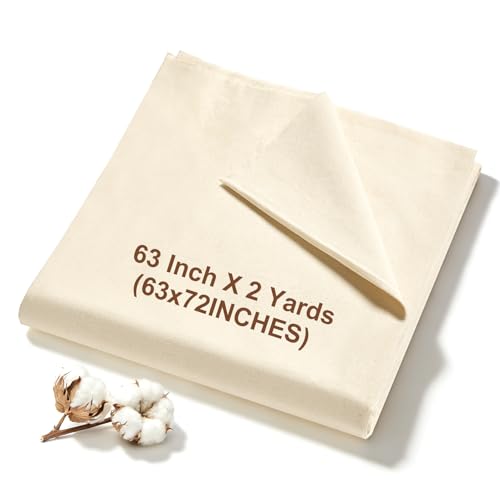
Natural fibers accept plant dyes; polyester and acrylic won't take color at all. Pre-cut pieces let you test techniques without wasting yardage
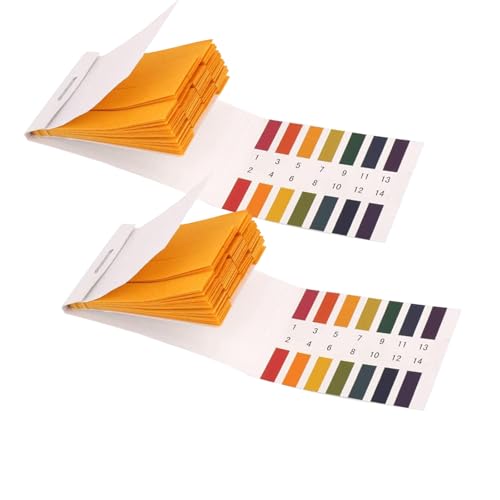
Water pH drastically shifts color outcomes—alkaline water turns avocado dye pinker, acidic water makes onion skins more orange. Testing lets you predict and adjust results
As an Amazon Associate I earn from qualifying purchases. Prices may change.
Step-by-Step Guide
Mordant your fabric
Pre-wash cotton, linen, or silk to strip factory sizing. Dissolve alum in water (1 part alum to 20 parts water) and soak the fabric for an hour. Hang it to dry completely—the alum makes fibers grip dye molecules instead of letting color wash away.
💡 Pro Tips:
- • Buy alum in the spice aisle or online as potassium alum; a little goes far
- • Skip mordanting and your prints will fade to ghosts after one wash
Gather dye materials from waste and weeds
Raid your compost bin and kitchen: 10-15 yellow onion skins for amber-gold, 2-3 smashed avocado pits for dusty pink, black walnut husks for deep brown. Wilted grocery store flowers, eucalyptus leaves, red cabbage cores, and turmeric powder all work.
💡 Pro Tips:
- • Smash avocado pits with a hammer to expose more surface area
- • Dried materials often give stronger color than fresh
Build your botanical sandwich
Soak your mordanted fabric until dripping wet. Lay it flat, arrange leaves and flowers on one half, fold the fabric over to trap them inside. Roll the sandwich tightly around a stick or dowel, then lash it with string or rubber bands every two inches—tight rolls yield sharp vein prints.
💡 Pro Tips:
- • Press leaves flat before rolling so they make full contact with fabric
Extract color with gentle heat
Submerge your bundle in a pot, cover with water, and simmer for 1-2 hours—don't boil hard or you'll muddy the color. For delicate flowers that disintegrate, steam the bundle in a steamer basket for 45 minutes instead.
💡 Pro Tips:
- • Water pH shifts color: add vinegar for brighter tones, baking soda for darker
- • Watch the pot bottom so plant matter doesn't scorch and stain everything brown
Cool, unwrap, and reveal
Let the bundle cool completely in the dye bath for maximum saturation—this is when color really locks in. Unwrap carefully (plant matter will be sludge), rinse under cool water until it runs clear, then hang to dry out of direct sunlight. Expect the color to lighten slightly as it oxidizes.
Gear Up for Your Quest
The gear that makes this quest work.
Pull it off

Alum Powder (Mordant)
Without mordant, most natural dyes wash out immediately. Alum makes colors permanent and intensifies vibrancy by 3-4x
+ complete the kit — 3 more

Natural fibers accept plant dyes; polyester and acrylic won't take color at all. Pre-cut pieces let you test techniques without wasting yardage
Pre-cut cotton or linen pieces specifically for dyeing (synthetic fabrics reject natural dyes)
Get on Amazon · $7.99 — Natural Fiber Fabric Bundledetails & deals →
pH Test Strips
RecommendedWater pH drastically shifts color outcomes—alkaline water turns avocado dye pinker, acidic water makes onion skins more orange. Testing lets you predict and adjust results
Litmus strips showing water acidity/alkalinity on 0-14 scale
Get on Amazon · $3.99 — pH Test Stripsdetails & deals →
Stainless Steel Tongs
RecommendedPrevents burned fingers when pulling steaming bundles from water. Stainless steel won't react with dye chemistry and alter colors like aluminum tongs can
Long-handled tongs for lifting fabric from hot dye baths
Get on Amazon · $13.82 — Stainless Steel Tongsdetails & deals →RELATED GEAR GUIDE
Fermentation & Canning Kit: 8 Beginner Picks
Field-tested picks · Creative Arts
As an Amazon Associate, IRL Sidequests earns from qualifying purchases at no extra cost to you.
Prices and availability are subject to change. The price shown at checkout on Amazon at the time of purchase will apply.
Editor's Picks
Hand-selected quests our team thinks you'll love

Dawn Patrol: Your First Bird Watching Adventure
Wake up with the birds and see your neighborhood through new eyes.

Creative Skills Quest Hub: Learn By Doing
The best way to learn creative skills? Make bad art until it gets good.

Hand-Built Ceramic Bowl Workshop
Your hands built the first bowls 20,000 years ago. They still can.