
Neighborhood Skill-Share Circle
Turn your block into a living university where the retired teacher trades Spanish lessons for iPhone photography tips.
About This Quest
Create a hyperlocal skill-exchange network where neighbors trade knowledge—from sourdough to bike repair—building real connections without apps or middlemen.
Most people on your street have skills they'd love to share and gaps they'd pay to fill—but everyone's waiting for someone else to make the first move. A skill-share circle cuts through the awkwardness by creating structured face-to-face exchanges where value flows both ways. No money changes hands, no platforms take cuts, and the barista who makes latte art teaches the plumber's kid while learning how to fix a leaky faucet. The format works because it's dead simple: gather 8-12 neighbors in someone's living room or backyard, spend 10 minutes sharing what you can teach and what you want to learn, then match people up for 30-minute mini-lessons over the next month. I've watched a retired librarian teach three teenagers research skills while learning TikTok basics, and a college kid trade Python tutoring for home-cooked Persian meals with an empty-nester. What makes this different from Facebook groups or Nextdoor posts is the commitment device—everyone shows up at once, puts their name on a skill, and leaves with specific plans. The vulnerability of admitting what you don't know in person creates faster trust than a thousand online exchanges. After three months, these circles start generating spontaneous collaborations: tool libraries, carpool networks, and the kind of neighbor relationships where people actually check on each other during power outages.
Why This Quest Matters
You'll watch your block transform from a collection of strangers into a network where the retired librarian teaches research skills to teenagers while learning TikTok, and the college kid trades Python tutoring for home-cooked Persian meals. After three months, these relationships generate spontaneous tool libraries, carpool networks, and neighbors who actually check on each other during power outages—the kind of social infrastructure that used to exist by default but now requires one person to build the first connection point.
What You'll Experience
- How to structure peer exchanges that actually happen instead of fading into 'we should get together sometime'
- The vulnerability trick: admitting what you don't know in person builds trust faster than a thousand online posts
- How to identify natural connectors in your neighborhood by watching who facilitates matches for others
- The power of public commitment as an accountability device that makes follow-through feel natural
- How physical gear reveals hidden skills—someone's tile saw means they know grouting, not just cutting
What You'll Need
Top gear to make this quest great.
Pull it off
Large Format Sticky Easel Pad
Creates a visible, evolving skill inventory that people can photograph and reference. Way better than a whiteboard because sheets can be saved month-to-month to track community knowledge growth.
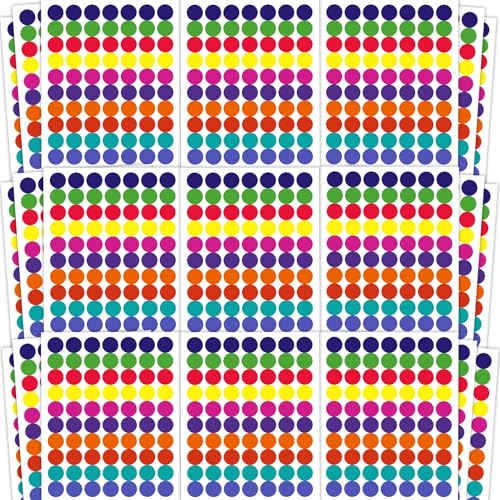
Let people mark their availability windows (green for evenings, blue for weekends, etc.) next to their skills. Speeds up matching by making scheduling constraints visible at a glance.
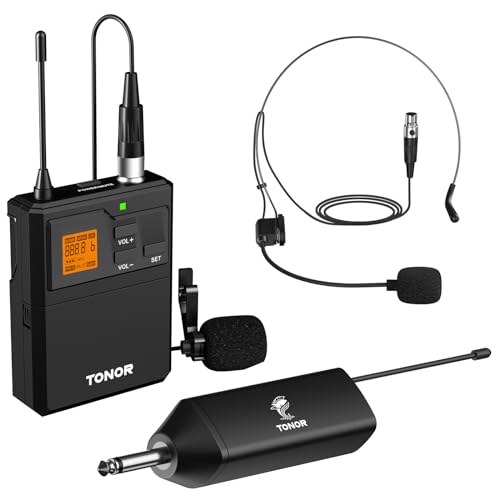
If someone's doing a skill demo (woodworking, cooking, language pronunciation), this lets everyone hear clearly without crowding. Also useful for recording demos to share with people who missed the meetup.
As an Amazon Associate I earn from qualifying purchases. Prices may change.
Step-by-Step Guide
Flyer your block with personality
Print 20-30 flyers with the headline 'Know something? Teach something. Need something? Learn something.' plus date, time, location, and your contact. Drop them in mailboxes within a 3-block radius, prioritizing houses with visible personality—garden gnomes, interesting paint colors, bikes on porches. These people show up.
💡 Pro Tips:
- • Target neighbors whose homes show character rather than blanket coverage—you want curious people, not maximum numbers
Arrange chairs in a circle
Set up your space with chairs in a circle facing each other, no tables. Mount a whiteboard or large paper on the wall with two columns: 'I Can Teach' and 'I Want to Learn.' Have markers ready. Skip the living room for a backyard if possible—first-timers feel safer outdoors.
💡 Pro Tips:
- • Tables create barriers; circles create conversation
- • Start exactly on time even if only 3 people arrive—it signals you're serious
Collect skills around the circle
Go around: name, how long you've lived here, one skill you could teach in 30 minutes, one thing you'd like to learn. Write every skill on the board as people speak. Emphasize 'teach' not 'expert'—someone who's fixed two leaky faucets counts.
💡 Pro Tips:
- • Writing skills publicly as people talk validates them and sparks ideas in others
Match teachers and learners aloud
Spend 15 minutes reading the board and asking 'Who wants to learn X from [name]?' Let people self-organize into pairs or small groups. Some skills will attract multiple learners—that's good. Create a group text thread and send everyone the match list immediately while they're still in the room.
💡 Pro Tips:
- • The immediacy of texting matches prevents the 'I'll reach out later' fade that kills momentum
Set the one-month accountability date
Schedule your next gathering for one month out. Ask each pair to complete their exchange before then and come ready to share one thing they learned. End with 5 minutes of mingling—matches who clicked will schedule right there, and shy people need transition time.
💡 Pro Tips:
- • The public commitment to report back creates gentle pressure that actually gets exchanges done
Layer in showcases and gear
At month two, add a 10-minute live skill demonstration to make abstract skills concrete and spark new ideas. By month three, introduce a 'borrow board' for tools and equipment—the gear people own reveals skills you didn't know existed in your circle.
💡 Pro Tips:
- • Live demos work better than descriptions: watching someone make pasta dough gets more sign-ups than hearing about it
Gear Up for Your Quest
The gear that makes this quest work.
Pull it off

Large Format Sticky Easel Pad
Creates a visible, evolving skill inventory that people can photograph and reference. Way better than a whiteboard because sheets can be saved month-to-month to track community knowledge growth.
+ complete the kit — 2 more

Colored Dot Stickers (Variety Pack)
RecommendedLet people mark their availability windows (green for evenings, blue for weekends, etc.) next to their skills. Speeds up matching by making scheduling constraints visible at a glance.
Small circular color-coding labels, 6-8 colors
Get on Amazon · $3.58 — Colored Dot Stickers (Variety Pack)details & deals →
Noise-Canceling Lapel Microphone
OptionalIf someone's doing a skill demo (woodworking, cooking, language pronunciation), this lets everyone hear clearly without crowding. Also useful for recording demos to share with people who missed the meetup.
Clip-on wireless mic that connects to smartphones
Get on Amazon · $39.97 — Noise-Canceling Lapel Microphonedetails & deals →RELATED GEAR GUIDE
Guerrilla Gardening Gear: 6 Picks to Green Your Block
Field-tested picks · Social & Community
As an Amazon Associate, IRL Sidequests earns from qualifying purchases at no extra cost to you.
Prices and availability are subject to change. The price shown at checkout on Amazon at the time of purchase will apply.
Editor's Picks
Hand-selected quests our team thinks you'll love

Guerrilla Gardening: Plant Beauty Where It's Not Expected
That cracked sidewalk planter doesn't need to stay dead—fill it with wildflowers at 2AM and watch neighbors smile for months.

Backyard Conversation Workshop
Your backyard becomes the training ground where awkward silences turn into confident conversations.

Community Kitchen & Culinary Connection Hub
The best recipes get passed hand-to-hand, not screen-to-screen.