
Host a Neighborhood Skill Swap Night
Your block has a welder, a baker, and someone who can actually fold fitted sheets—time to trade skills.
About This Quest
Transform your living room into a micro-learning hub where neighbors trade skills—from basic plumbing to pasta-making—building community capital one lesson at a time.
The guy three doors down fixes motorcycles. Your upstairs neighbor makes sourdough that could win awards. Someone on the corner codes websites for fun. You've got talent density in a three-block radius that rivals any university, but nobody's talking. A skill swap night fixes that—no apps, no algorithms, just neighbors teaching neighbors in 20-minute micro-sessions. The format's dead simple: everyone brings one skill they can teach in under 30 minutes. No credentials required. I've seen someone teach basic bicycle maintenance using a kid's bike as a demo, followed by a session on making Vietnamese coffee, then troubleshooting WiFi routers. The mix matters less than the vibe—adults relearning how to be curious in front of each other, admitting what they don't know, asking dumb questions without judgment. What makes this work is the reciprocity. Unlike a traditional class where there's a clear expert-novice divide, everyone here cycles through both roles. You teach someone to hem pants, they show you how to identify edible weeds. The retired teacher learns TikTok editing from the teenager who learns basic tax filing in return. By hour two, people are exchanging phone numbers, planning follow-up sessions, borrowing tools. You're not just learning skills—you're building the kind of neighbor relationships where someone notices when your newspapers pile up.
Why This Quest Matters
By hour two, you'll watch the retired teacher learn TikTok editing from the teenager who's learning basic tax filing in return. You're building the kind of neighbor relationships where someone actually notices when your newspapers pile up. This isn't just skill transfer—it's creating a three-block radius where asking for help becomes normal again.
What You'll Experience
- How to structure casual teaching so adults feel safe being curious again
- Which neighbors have hidden talents you've been living next to for years
- The art of facilitating without controlling every conversation
- How reciprocity builds stronger connections than expert-novice dynamics
- Permission structures that turn one-night events into ongoing neighbor resource networks
What You'll Need
Top gear to make this quest great.
Pull it off
Dry Erase Whiteboard with Stand
Central skills board where participants list their teachable abilities and contact info—becomes the living directory that outlasts the event. Easier to see across a room than paper, and you can snap a photo for later.
Get on Amazon · $54.99 — Dry Erase Whiteboard with Stand
First-name tags eliminate the awkward 'wait, what was your name again?' barrier. Add a small space for people to write their teaching topic underneath—instant conversation starter.
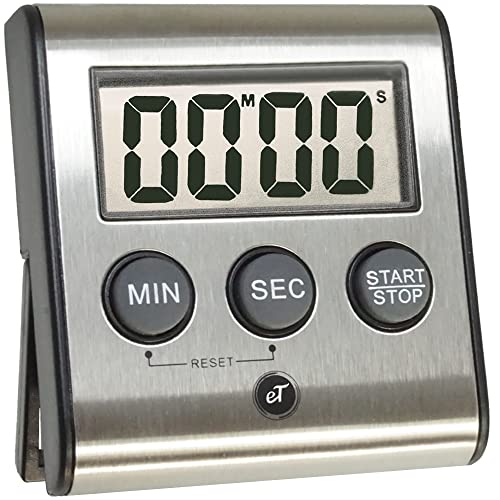
Keeps teaching blocks moving without you having to be the bad guy constantly checking your phone. The audible ding gives everyone permission to wrap up and rotate—much less awkward than verbally cutting someone off.
As an Amazon Associate I earn from qualifying purchases. Prices may change.
Step-by-Step Guide
Choose and prep your space
Pick a spot where 8-15 people can break into small groups without shouting—garages and backyards work better than pristine living rooms. Clear one big table for hands-on demos. Create 2-3 distinct zones: kitchen table for cooking, living room for digital skills, garage or patio for messy projects.
💡 Pro Tips:
- • Garage or backyard hosting removes the anxiety of keeping everything pristine
- • Queue up background music on your phone to keep energy high during transitions
Send invites with a signup sheet
Distribute physical flyers or post in neighborhood Facebook groups 10-14 days out. Ask each person to commit to teaching one skill in 20-30 minutes—emphasize that 'if you know it and others don't, that's enough.' Include a signup sheet to lock in teaching slots and avoid five people bringing sourdough starters.
💡 Pro Tips:
- • The signup sheet creates commitment and helps you spot topic gaps early
Start with structured intros
Gather everyone in a loose circle and have each person share their name, how long they've lived in the neighborhood, what they're teaching, and what they want to learn. This 15-minute ritual breaks the ice fast and primes everyone for reciprocity.
💡 Pro Tips:
- • Write down who's teaching what so you can reference it when organizing breakout groups
Run three 30-minute teaching blocks
Launch into teaching rounds with 10-minute breaks between them. Three rounds give everyone a chance to rotate through different skills. Use a visible timer so teachers don't run over—keeping things moving maintains energy and lets people sample widely.
Float and facilitate between groups
Your job as host isn't to join every lesson—it's to notice who's standing alone, encourage quieter neighbors to jump in, and gently redirect anyone monopolizing airtime. Keep the vibe curious and judgment-free when people ask basic questions.
💡 Pro Tips:
- • Position yourself between zones so you can scan multiple groups at once
Close with a skills board
Use a whiteboard or large paper to list everyone's teachable skills plus contact info for follow-ups. Take a group photo. Actively encourage people to swap numbers directly. You're creating permission for future neighbor asks like 'Hey, you mentioned you know about rain barrels...'
Gear Up for Your Quest
The gear that makes this quest work.
Pull it off

Dry Erase Whiteboard with Stand
Central skills board where participants list their teachable abilities and contact info—becomes the living directory that outlasts the event. Easier to see across a room than paper, and you can snap a photo for later.
Get on Amazon · $54.99 — Dry Erase Whiteboard with Standdetails & deals →+ complete the kit — 3 more

First-name tags eliminate the awkward 'wait, what was your name again?' barrier. Add a small space for people to write their teaching topic underneath—instant conversation starter.
Peel-and-stick name tags (pack of 100+)
Get on Amazon · $4.39 — Name Tag Sticker Sheetsdetails & deals →
Kitchen Timer with Loud Alarm
RecommendedKeeps teaching blocks moving without you having to be the bad guy constantly checking your phone. The audible ding gives everyone permission to wrap up and rotate—much less awkward than verbally cutting someone off.
Digital timer with clear display and audible alert
Get on Amazon · $17.95 — Kitchen Timer with Loud Alarmdetails & deals →
Folding Table (6-foot)
OptionalDedicated surface for hands-on demonstrations—cooking, repair work, craft projects. Protects your furniture and creates a clear 'teaching station' that draws people in. Folds away when you're done.
Portable folding table for demos and materials
Get on Amazon · $54.99 — Folding Table (6-foot)details & deals →RELATED GEAR GUIDE
Guerrilla Gardening Gear: 6 Picks to Green Your Block
Field-tested picks · Social & Community
As an Amazon Associate, IRL Sidequests earns from qualifying purchases at no extra cost to you.
Prices and availability are subject to change. The price shown at checkout on Amazon at the time of purchase will apply.
Editor's Picks
Hand-selected quests our team thinks you'll love

Guerrilla Gardening: Plant Beauty Where It's Not Expected
That cracked sidewalk planter doesn't need to stay dead—fill it with wildflowers at 2AM and watch neighbors smile for months.

Backyard Conversation Workshop
Your backyard becomes the training ground where awkward silences turn into confident conversations.

Community Kitchen & Culinary Connection Hub
The best recipes get passed hand-to-hand, not screen-to-screen.