
Photograph Architecture in Layers
Buildings tell stories in layers—you just need to know where to look.
About This Quest
Master architectural photography by capturing buildings in layers—textures, shadows, reflections, and human scale—to reveal how cities are actually built.
Most people aim their camera at buildings and shoot straight on. You're going to do something different: treat architecture like an onion, peeling back layers to show how the city works. This means shooting textures up close, catching shadows that change every twenty minutes, finding reflections in glass and puddles, and using people or bikes for scale. The morning light hits brick and concrete differently than steel and glass—around 7-8AM, you'll see warm tones rake across surfaces, creating depth that disappears by noon. You're looking for three things: the building's skin (materials, weathering, repairs), its skeleton (structural elements, fire escapes, support beams visible from certain angles), and its context (how it relates to the street, neighboring buildings, and the people moving through). Older buildings show their age in mortar lines and patched brickwork. Modern towers reveal their engineering in reflective surfaces and cantilevers. The best shots often come from unexpected angles—shooting up from sidewalk level, through scaffolding, or using foreground elements to frame distant structures. This isn't about collecting landmark photos for your grid. It's about training your eye to see construction, design decisions, and urban evolution. You'll start noticing details you walked past for years: how cornices cast specific shadows, where architects added ornamental elements to break up monotony, or how a building from 1920 meets one from 2020 at a weird angle. Bring a camera with manual controls—you'll need to adjust for high-contrast scenes where shadows go black and sky blows out white.
Why This Quest Matters
You'll stop seeing buildings as static backdrops and start reading them like documents—each one recording decisions about materials, money, and style from the year it was built. The city becomes a timeline you can photograph in textures and shadows, and you'll never walk past a cornice or fire escape the same way again.
What You'll Experience
- How to use changing light angles to reveal architectural depth and form
- How to layer visual elements—foreground, subject, background—for dimensional shots
- How to read building materials and weathering patterns as historical evidence
- How to expose for high-contrast urban scenes without losing shadow or sky detail
- How to use human scale to communicate spatial relationships
What You'll Need
Top gear to make this quest great.
Pull it off
Polarizing Filter (CPL)
Cuts reflections in glass buildings, deepens sky contrast, and reduces glare on metal surfaces—critical for shooting modern architecture where everything is reflective
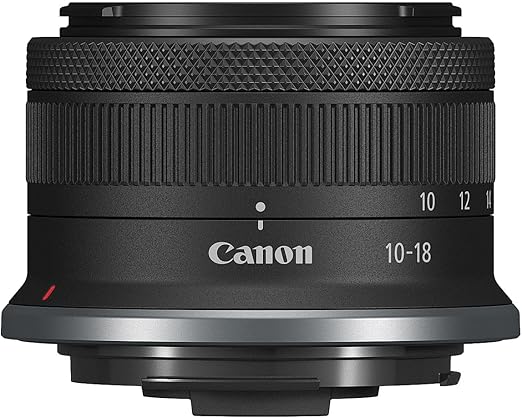
Captures full building facades from tight urban spaces where you can't back up far enough, and exaggerates perspective for dramatic upward angles
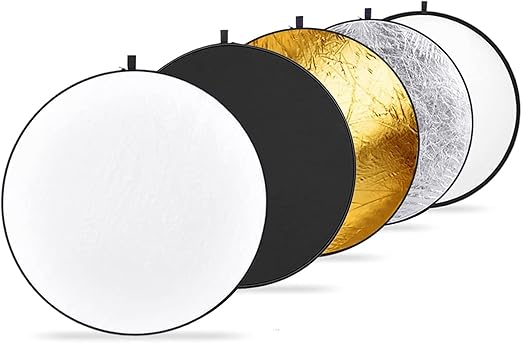
Bounces light into shadowed architectural details when shooting close-ups of textures, doorways, or ornamental elements—makes detail work possible in harsh contrast
As an Amazon Associate I earn from qualifying purchases. Prices may change.
Step-by-Step Guide
Scout your lighting window
Walk three blocks in each direction from your starting point the day before, between 6-8AM. Note which buildings catch direct morning light and which stay in shadow. Mark 3-5 buildings showing different architectural eras—you want variety in materials and styles.
💡 Pro Tips:
- • Buildings with east-facing facades will get the warmest light first
- • Look for interesting shadow-casting elements like fire escapes or deep cornices
Test angles in flat light
Arrive 30-45 minutes before sunrise while light is still even. Walk your planned route and test compositions without dramatic shadows—this lets you plan shots before the good light hits. Shoot your first building from four positions: street level straight-on, looking up from the base, across the street using foreground elements, and from an elevated spot if you can access one safely.
💡 Pro Tips:
- • Flat light shows you the composition; dramatic light reveals the form
Shoot textures and materials close
Get within 3-6 feet of brick, stone, metal, or glass surfaces. Use side lighting to reveal weathering patterns, repair work, and color variations in masonry. These close-ups provide context for your wider architectural shots—they show what the building is actually made of and how it has aged.
💡 Pro Tips:
- • Shoot at angles where light grazes the surface rather than hitting it straight-on
Work the moving shadows
Reshoot the same building every 20-30 minutes as light angles change. Watch shadows crawl across facades, revealing depth in cornices, recessed windows, and structural elements. Isolate geometric patterns cast by fire escapes and support beams—these change completely as the sun climbs.
Add scale and hunt for layers
Wait for people, cyclists, or vehicles to enter your frame—their presence shows actual dimensions and connects the building to street life. Look for reflections in glass and puddles, shoot through railings or scaffolding to create foreground depth, and stack visual elements: close detail, mid-ground subject, background context.
💡 Pro Tips:
- • Don't ask people to pose—captured movement feels more honest than staged shots
Zoom in when light goes harsh
Around 9-10AM, shift to detail mode as direct overhead light flattens facades. Photograph doorknobs, cornerstone dates, ventilation grates, building numbers, and architectural ornaments. Review your shots on-site, checking histograms for blown highlights or crushed shadows—reshoot anything that lost the layering you saw, and delete obvious failures immediately.
Gear Up for Your Quest
The gear that makes this quest work.
Pull it off

Polarizing Filter (CPL)
Cuts reflections in glass buildings, deepens sky contrast, and reduces glare on metal surfaces—critical for shooting modern architecture where everything is reflective
+ complete the kit — 3 more

Captures full building facades from tight urban spaces where you can't back up far enough, and exaggerates perspective for dramatic upward angles
Wider focal length lens or clip-on attachment for smartphones
Get on Amazon · $319.00 — Wide-Angle Lens or Attachment (16-35mm equivalent)details & deals →
Sun Seeker or Photopills App
RecommendedLets you scout locations remotely and predict exactly when morning light will hit specific building faces—eliminates guesswork and wasted trips
AR app showing sun position and path throughout the day

Small Collapsible Reflector
OptionalBounces light into shadowed architectural details when shooting close-ups of textures, doorways, or ornamental elements—makes detail work possible in harsh contrast
5-in-1 reflector disc (silver, gold, white, black, translucent)
Get on Amazon · $31.99 — Small Collapsible Reflectordetails & deals →RELATED GEAR GUIDE
Night Walk Safety Gear: Be Seen, Be Heard, See Everything
Field-tested picks · Urban Exploration
As an Amazon Associate, IRL Sidequests earns from qualifying purchases at no extra cost to you.
Prices and availability are subject to change. The price shown at checkout on Amazon at the time of purchase will apply.
Editor's Picks
Hand-selected quests our team thinks you'll love

Urban Food & Beverage Culture Quest
The best food in your city isn't on Yelp's front page—it's where rent is cheap and menus aren't in English.

Historical Walking Tour: Read Your City's Hidden Stories
Every sidewalk crack has a story—you just need to know where to look.

Architecture Scavenger Hunt: Decode Your City's Hidden Design Language
That building you pass every day? It's been screaming details at you that you've never noticed.