Find five different living things across your three water samples, then show each one on the screen to the people with you and give it a name based on how it moves.
Bonus challenge: Drop a few grains of uncooked rice into one jar, cap it loosely, and check back in three to five days to see what moved in.
Accept this questSaves it to your list, no account needed.
Time
2 hours (30 min collecting, 90 min looking)
Cost
Free with your own gear
Starter gear from $63
The microscope, slides and pipettes are one-time buys, roughly $40–70 together. After that each session costs nothing but a jar of water.
family, kids, friends, solo · Kids 7+ with an adult, who handles the glass cover slips
Level
Beginner
Where
Both
Season
Spring-Fall
Best April-October when water is warm and green. Winter samples are thin — if the pond has ice, pull water from a thawed birdbath or an indoor aquarium filter instead.
About This Quest
Grab a jar, a friend and an afternoon. You're going to scoop water from a pond edge, a birdbath and a ditch, then put single drops under a microscope and meet whatever lives in them. Spinning green balls. Darting specks. A see-through shrimp with a beating heart.
That cloudy water at the edge of the pond looks like nothing. Under a microscope with a screen, it turns into a crowded city, and everyone can lean in and watch the same creature swim across it.
You'll collect three different waters, let the jars settle so the residents sort themselves into layers, and work through drop after drop together. Beginners usually see nothing for the first ten minutes, then suddenly everything is moving at once. Your job: find your five favorite beasts and name them.
Why This Quest Matters
A single drop of pond water holds more going on than most movies, and it has been there your whole life. Watching a kid or a friend gasp at a rotifer spinning its mouth-wheel is the good stuff. You walk past that pond every week and never knew it was full of neighbors.
What You'll Experience
Meet the locals: Find creatures that have been living in your neighborhood water this whole time.
Crowd the screen: Everyone watches the same darting speck at once instead of taking turns squinting.
Catch it on video: Record the fast swimmers so you can argue about what they are later.
Name your beasts: Give your top five finds ridiculous names and sketch them for the group.
What You'll Need
Top gear to make this quest great.
Pull it off
Kids Microscope, 2.4" Screen Handheld Digital Microscope 600X with 4K Camera & 8 LED Light
The screen is the point: everyone watches the same creature swim at once, and you can record video.
As an Amazon Associate I earn from qualifying purchases. Prices may change.
Before You Begin
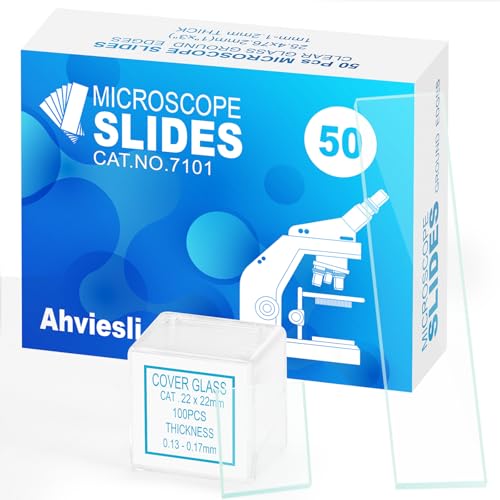
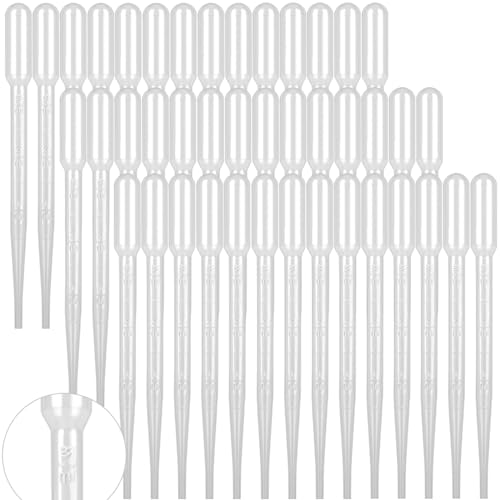
The fun part is that your gear list is mostly jars. Essential: a digital microscope with its own screen, a pack of pre-cleaned blank glass slides with cover slips, disposable plastic pipettes, and two or three clean jars with lids. Handy extras: a set of labeled prepared reference slides, so you can tell a real creature from a bit of lint; masking tape and a marker for labeling jars; a towel for the table. Private ponds, farm dams and fenced water need the owner's permission first, and many nature reserves and protected wetlands ban removing water or disturbing plants, so check local rules before you scoop.
Safety Tips
A good quest stays a good story. These are general notes; your gear's manual, the venue's rules and local law come first.
Tell someone where you're going and when you'll be back, every single trip. Never sample alone at a steep or fast-flowing bank.
Scoop from firm ground in grippy closed shoes, standing where you can keep your balance. No wading, no climbing down walls, dams, culverts or steep banks. If reaching the water involves a drop, pick a different pond. Skip banks after heavy rain, when the flow is faster and the footing is soft.
Kids stay within arm's reach of an adult at any water edge. At open water deeper than knee-high, an adult should have a throwable flotation ring or cushion within reach, and small kids wear a life jacket.
For ditch water, choose quiet residential streets over fast roads. Wear something bright, face oncoming traffic, and skip any spot where you'd stand in a traffic lane or on a blind bend.
Treat all stagnant water as dirty: keep it away from mouths and open cuts, use a fresh pipette for each sample layer, and wash hands with soap afterward.
Cover slips are thin glass that snaps under a bare fingertip. Press them down through a folded tissue, bin any chipped ones, and let the adult handle the glass with younger kids.
Step-by-Step Guide
1
Scout Three Waters
15 min
Different water, different monsters. Pick three spots: a pond or stream edge, something stagnant like a birdbath or rain barrel, and a puddle or roadside ditch. Walk them first and check you can stand safely at each one on firm ground. Get permission for anything private, and tell someone at home your plan before you leave.
💡 Pro Tips:
• Green, murky water beats clear water every time. Clear means not much is living in it.
2
Scoop the Good Stuff
15 min
The best creatures hide in the gunk. Scoop beside submerged plants, scrape the green film off a rock, and pull a strand of pond weed and squeeze it underwater into your jar. Fill each jar only two-thirds full so there's air for everything inside. Label it with the source and the time, then keep it out of direct sun on the way home.
💡 Pro Tips:
• A little sediment from the bottom is gold. That's where the heavy, slow, weird things live.
3
Let It Settle
30 min
While the jars rest, your sample sorts itself out. Set them on a table indoors at room temperature near a window, so side light pulls the swimmers toward the bright edge. After thirty minutes you'll have layers: heavy debris and bottom-dwellers at the base, drifting swimmers in the middle, and a scummy ring at the surface. Use this time to set up the microscope and read its instructions.
💡 Pro Tips:
• Put a labeled prepared reference slide on the stage now, so everyone learns what a real specimen looks like before the hunt starts.
4
The First Drop
20 min
Here's the moment. Squeeze a pipette bulb before you dip it, then reach down to the sediment and draw one drop without stirring the jar. Put the drop on a clean slide, lower a cover slip at an angle, and blot the overflow with tissue. Press the cover slip down through folded tissue, never with a bare fingertip. Start at the lowest magnification and sweep for movement.
💡 Pro Tips:
• If you see nothing for ten minutes, you haven't failed. You just haven't found the right focus depth yet. Turn the focus wheel slowly past where it looks sharp.
5
Hunt Down Your Five Beasts
45 min
Now work through every layer: sediment, middle, then surface scum from each jar, with a fresh pipette for each one. That's three mounts per water source. When something moves, center it at low power, then wind the magnification up toward 800x and watch it fill the screen. Call people over. Record a short video of each find, because motion is how you tell a nematode from a hair later.
💡 Pro Tips:
• Videos beat photos here. A still of a fast swimmer is just a blur, but five seconds of footage shows you exactly how it moves.
6
Name Them and Pour Them Home
15 min
Time for the reveal. Pick your five best creatures, sketch each one roughly, and give it a name based on what it does: the Spinning Top, the Jitterbug, whatever the group shouts out. Show the videos to everyone and vote on the strangest. Then pour the samples back where they came from, and wash the slides in warm soapy water so they're ready next time.
💡 Pro Tips:
• Before you empty a jar, drop in a few grains of uncooked rice and cap it loosely. In three to five days it'll be swarming.
You just met a few hundred neighbors you never knew you had. Send your best video clip to someone and make them guess what they're looking at.
The Low-Tide Census: Map One Rocky Tidepool Shelf Before the Water Returns
The ocean steps back for two hours. Go meet the neighbors.
Grab a friend and head to a rocky beach on the lowest tide of the month. You'll pick one shelf about the size of two parking spaces, sketch it on paper, and hunt down every kind of creature living on it before the water comes back.