
Creative Arts Quest Library: Beginner to Advanced Projects
Build your creative skills project by project, from first pencil strokes to gallery-worthy installations.
About This Quest
A curated progression system of hands-on creative projects spanning drawing, painting, sculpture, fiber arts, and mixed media with skill-building pathways.
Most people quit creative hobbies because they jump into projects that frustrate them or stick with beginner exercises too long and get bored. This quest library solves both problems with structured progression paths across five creative disciplines. You'll start with foundational techniques that build confidence, then advance through increasingly complex projects that introduce new skills exactly when you're ready. Each pathway—drawing, painting, sculpture, fiber arts, and mixed media—contains 10-12 projects designed to stack skills logically. The drawing path starts with contour exercises using household objects, progresses through value studies with charcoal, and peaks with multi-figure compositions. The painting progression moves from color mixing fundamentals through wet-on-wet techniques to layered glazing methods. You'll know you've mastered a level when the techniques feel automatic and you're hungry for the next challenge. The library structure lets you specialize in one medium or hopscotch between disciplines to cross-pollinate techniques. A fiber artist learning drawing improves their embroidery design skills. A painter trying sculpture gains new perspective on three-dimensional form. Every project includes reference photos, technique demonstrations, common mistake troubleshooting, and estimated material costs between $5-40. The progression isn't about becoming a professional artist—it's about building the technical foundation that lets your creative vision actually materialize in the real world.
Why This Quest Matters
You'll watch your hands learn to translate what's in your head onto paper, canvas, or into three-dimensional form—not through vague practice, but through deliberate progression that introduces each new skill exactly when you're ready to absorb it. By project 20, you'll compare early attempts to recent work and barely recognize them as coming from the same person. The technical foundation you build here is what separates people who wish they were creative from people who simply create.
What You'll Experience
- Structured skill progression across drawing, painting, sculpture, fiber arts, and mixed media
- How to diagnose your own weak points and cross-train with parallel disciplines
- When to advance versus when to repeat with variations—the 70% comfort threshold for skill mastery
- Documentation habits that make progress visible and motivate continued practice
- Which techniques and materials match your natural creative voice after systematic experimentation
What You'll Need
Top gear to make this quest great.
Pull it off
Blending Stump Set with Sandpaper Block
Achieves smooth tonal transitions that fingers can't match—essential for the value study progression in drawing pathway projects 3-6
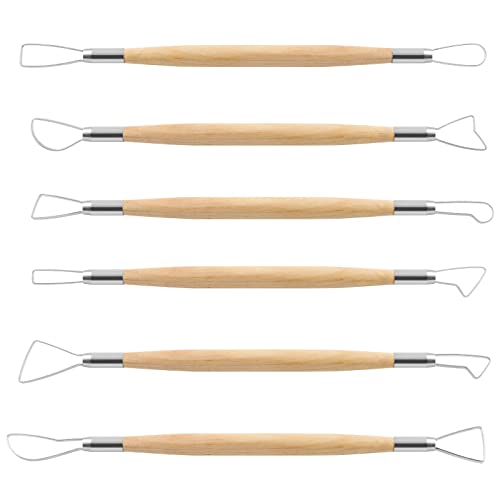
Achieves surface refinement and detail work impossible with fingers or improvised tools—transforms amateur sculptures into professional-looking pieces
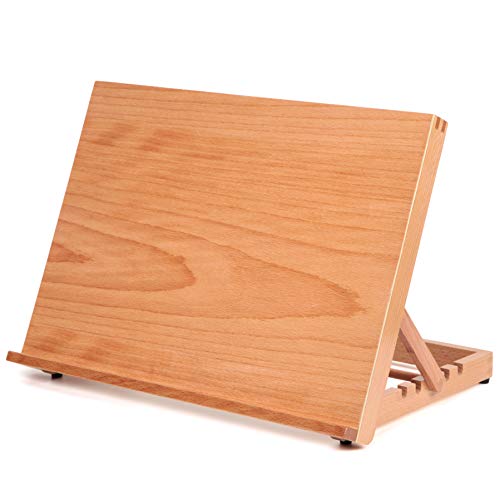
Proper drawing angle prevents perspective distortion and reduces neck strain during long sessions—the ergonomic difference becomes critical as projects extend past 90 minutes
As an Amazon Associate I earn from qualifying purchases. Prices may change.
Step-by-Step Guide
Pick your first creative pathway
Choose one discipline—drawing, painting, sculpture, fiber arts, or mixed media—based on materials you already own or what excites you most. You're not locked in; you can jump between pathways anytime to cross-pollinate techniques.
💡 Pro Tips:
- • Starting with drawing requires the lowest upfront investment—pencil, paper, household objects as subjects
- • If you already have leftover craft supplies, scan the material lists to see which pathway matches your stash
Complete your foundation project
Work through the first project in your chosen pathway, which introduces core techniques in a low-stakes format. Expect 2-3 hours. After finishing, check the technique list—if you felt comfortable with 70% or more of the skills, advance to project two. Below 70%? Repeat the foundation project with different subject matter.
💡 Pro Tips:
- • Take a phone photo of your finished piece in consistent lighting; you'll want this baseline for comparison later
Build skills through sequential projects
Progress through projects 2-7 in order within your pathway, each introducing new techniques that stack on previous ones. If you hit frustration or boredom, pause and try a project from a parallel discipline—painters struggling with composition gain clarity from drawing exercises, sculptors improve spatial reasoning through painting's color theory.
💡 Pro Tips:
- • When you reach project 5-7 (intermediate level), start a technique journal noting which skills feel automatic versus which still require mental effort
Tackle challenge-level projects
Move into projects 8-12, which blend advanced technique with conceptual thinking. Budget 6-8 hours per project and expect to restart sections—this is where you shift from following instructions to solving creative problems with your growing skillset.
Share work in monthly critiques
Join the community critique sessions to share one project and receive feedback from artists 2-3 skill levels ahead in your pathway. Seeing your work through experienced eyes reveals blind spots and shortcuts you'd otherwise miss.
Track your emerging creative style
After completing 15-20 projects across pathways, review your documentation to identify patterns—which techniques you return to, which materials feel right in your hands, which subjects you gravitate toward. This accumulated evidence reveals your artistic voice more clearly than any amount of introspection.
Gear Up for Your Quest
The gear that makes this quest work.
Pull it off

Blending Stump Set with Sandpaper Block
Achieves smooth tonal transitions that fingers can't match—essential for the value study progression in drawing pathway projects 3-6
+ complete the kit — 4 more

Achieves surface refinement and detail work impossible with fingers or improvised tools—transforms amateur sculptures into professional-looking pieces
Eleven wire-loop tools in varied shapes for carving, smoothing, and detailing clay and polymer materials
Get on Amazon · $6.49 — Sculpting Tools Wire Setdetails & deals →
Adjustable Drawing Board with Storage
RecommendedProper drawing angle prevents perspective distortion and reduces neck strain during long sessions—the ergonomic difference becomes critical as projects extend past 90 minutes
Portable wooden drawing board that angles from flat to 45 degrees with built-in storage drawer for pencils and erasers
Get on Amazon · $29.86 — Adjustable Drawing Board with Storagedetails & deals →
Palette Keeper Airtight Box
RecommendedLets you work on paintings across multiple sessions without remixing colors—critical for the layering techniques in painting projects 7-10 where color consistency matters
Moisture-sealed palette container that keeps mixed paints workable for up to two weeks
Get on Amazon · $21.19 — Palette Keeper Airtight Boxdetails & deals →
Daylight Spectrum Desk Lamp
RecommendedEliminates the frustration of colors looking completely different in various lighting—especially critical for painting and mixed media color matching
5000K LED lamp with adjustable arm that simulates natural daylight for accurate color rendering
Get on Amazon · $22.99 — Daylight Spectrum Desk Lampdetails & deals →RELATED GEAR GUIDE
Fermentation & Canning Kit: 8 Beginner Picks
Field-tested picks · Creative Arts
As an Amazon Associate, IRL Sidequests earns from qualifying purchases at no extra cost to you.
Prices and availability are subject to change. The price shown at checkout on Amazon at the time of purchase will apply.
Editor's Picks
Hand-selected quests our team thinks you'll love

Dawn Patrol: Your First Bird Watching Adventure
Wake up with the birds and see your neighborhood through new eyes.

Creative Skills Quest Hub: Learn By Doing
The best way to learn creative skills? Make bad art until it gets good.

Hand-Built Ceramic Bowl Workshop
Your hands built the first bowls 20,000 years ago. They still can.