
Seasonal Urban Quest Calendar: Track Your City's Transformation Year-Round
Your city rewrites itself every month—here's how to read each chapter.
About This Quest
Document your city's seasonal shifts with a structured 12-month urban exploration calendar. Track light patterns, architecture changes, and neighborhood rhythms through every season.
Most people walk the same routes daily without noticing their city breathes differently in February than August. The sun hits that brick wall at 7:15 AM in March but by May, it's already overhead at that hour. The coffee shop patio stays empty until April, then suddenly becomes the neighborhood's living room. These patterns aren't random—they're your city's seasonal signature. A seasonal urban quest calendar transforms casual city walking into systematic observation. Pick one route, one intersection, or one neighborhood block. Return monthly at the same time. Document what changes: shadow angles, which businesses thrive in summer versus winter, how street traffic shifts, when trees bloom and fade, where people gather as temperatures drop. After six months, you'll predict your city's rhythms. After a year, you'll have a visual archive that reveals patterns invisible to daily commuters. This isn't about perfect photography or artistic shots. It's about creating a reference library of your urban environment. That construction project you documented in January? By December, you'll have watched an entire building rise. The tree you photographed bare in February shows you exactly when spring arrived in your microclimate. You're building a personal field guide to your city's seasonal behavior—data that helps you plan future explorations, understand neighborhood dynamics, and notice the gradual changes that daily familiarity blinds you to.
Why This Quest Matters
After six months, you'll predict your city's rhythms before they happen. After a year, you'll have watched construction projects rise from foundation to rooftop, documented the exact week spring arrived in your microclimate, and built a visual archive that reveals how your neighborhood actually breathes. You'll possess knowledge that daily commuters, despite walking these same streets, never see.
What You'll Experience
- How to predict seasonal shifts in your neighborhood before they happen
- Which businesses thrive in different seasons and why street traffic patterns change
- The exact timing of your microclimate's seasonal transitions
- How shadow angles and light quality transform the same block throughout the year
- A systematic observation practice that sharpens your awareness of gradual urban change
What You'll Need
Top gear to make this quest great.
Pull it off
Weatherproof Observation Journal
Captures immediate sensory details and observations during documentation sessions regardless of weather conditions, preserving first-impression notes that memory distorts within hours

Captures complete street context in tight urban spaces where you can't step back far enough, essential for intersection documentation where buildings create narrow shooting corridors
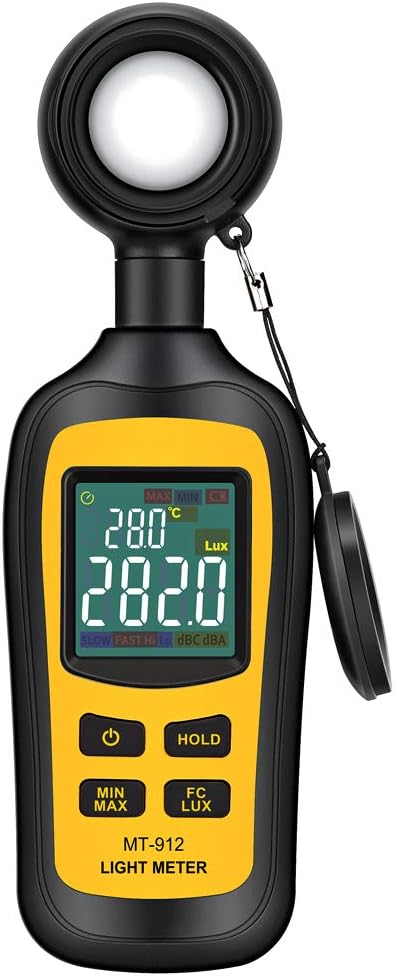
Quantifies seasonal light intensity changes with objective data, revealing how the same location receives 3-10x more light in summer versus winter—a pattern invisible to naked eye observation
As an Amazon Associate I earn from qualifying purchases. Prices may change.
Step-by-Step Guide
Choose your anchor location
Pick one specific spot you can safely access year-round—intersections work better than parks because they offer more activity variables. Stand in the exact same position each visit, marking it mentally using permanent landmarks like building corners or street signs.
💡 Pro Tips:
- • Morning light (7-9 AM) reveals architectural details; late afternoon (4-6 PM) captures street life
- • Consistency matters more than perfection—if you miss a month, document that gap
Build your observation template
Before your first visit, list 8-10 specific elements to track: shadow length on a particular wall, number of people at the bus stop, which storefronts have lights on, temperature, dominant sounds, street tree condition, parked car density, visible construction. Set a monthly schedule—same day (like first Saturday or the 15th) and same time window each month.
💡 Pro Tips:
- • After month three, review previous entries before each visit and refine what you track
Document systematically each month
Take the same 4-5 photos from identical angles. Use your phone's panorama mode from the same starting point. Record a 30-second audio clip. Write 3-5 sentences about immediate sensory differences from last month, noting weather and exact time.
💡 Pro Tips:
- • This isn't about perfect photography—you're creating a reference library, not art
Track seasonal tipping points
Mark the months when major shifts happen. When did outdoor seating appear? When did that tree lose its leaves? When did morning commute patterns change? Create a simple folder structure by month, organizing all your documentation chronologically.
💡 Pro Tips:
- • These inflection points reveal your city's seasonal clock—patterns invisible to daily commuters
Conduct your annual review
At month twelve, lay out all documentation chronologically. You'll see patterns you missed month-to-month: the gradual greening of spring, the slow shift of shadows, the business turnover cycle. This is when scattered observations become urban knowledge. If one location proves interesting, consider adding a second anchor point—but depth beats breadth.
💡 Pro Tips:
- • Three locations tracked religiously beats ten tracked sporadically
Gear Up for Your Quest
The gear that makes this quest work.
Pull it off

Weatherproof Observation Journal
Captures immediate sensory details and observations during documentation sessions regardless of weather conditions, preserving first-impression notes that memory distorts within hours
+ complete the kit — 3 more

Photo Grid Overlay App
RecommendedMaintains exact framing consistency across months by overlaying previous month's photo as a reference guide while shooting, plus embeds date and location data directly on images for easy reference
Camera app with customizable grid overlays and GPS stamp features (apps like Timestamp Camera or Grid Cam)

Clip-On Wide Angle Lens
RecommendedCaptures complete street context in tight urban spaces where you can't step back far enough, essential for intersection documentation where buildings create narrow shooting corridors
Universal smartphone lens attachment with 0.6x or wider magnification
Get on Amazon · $25.99 — Clip-On Wide Angle Lensdetails & deals →
Compact Light Meter
OptionalQuantifies seasonal light intensity changes with objective data, revealing how the same location receives 3-10x more light in summer versus winter—a pattern invisible to naked eye observation
Handheld or clip-on light meter that measures lux levels (or free light meter app with numerical readout)
Get on Amazon · $29.98 — Compact Light Meterdetails & deals →RELATED GEAR GUIDE
Night Walk Safety Gear: Be Seen, Be Heard, See Everything
Field-tested picks · Urban Exploration
As an Amazon Associate, IRL Sidequests earns from qualifying purchases at no extra cost to you.
Prices and availability are subject to change. The price shown at checkout on Amazon at the time of purchase will apply.
Editor's Picks
Hand-selected quests our team thinks you'll love

Urban Food & Beverage Culture Quest
The best food in your city isn't on Yelp's front page—it's where rent is cheap and menus aren't in English.

Historical Walking Tour: Read Your City's Hidden Stories
Every sidewalk crack has a story—you just need to know where to look.

Architecture Scavenger Hunt: Decode Your City's Hidden Design Language
That building you pass every day? It's been screaming details at you that you've never noticed.