
Creative Arts Quest Hub: Skill-Building Through Making
Your hands remember what your brain forgets—learn by making things that last.
About This Quest
Build tangible skills through pottery, woodworking, printmaking, and fiber arts. From wheel-throwing to wood joinery, learn by making with your hands.
Walk into any maker space around 7PM on a weekday and you'll find the real action: a graphic designer learning to weld, an accountant centering clay on a pottery wheel, someone's dad finally building that chair he's been sketching for months. The smell hits first—sawdust, wet clay, the metallic tang of soldering irons. Then the sounds: the rhythmic thunk of a mallet on chisel, the hum of a pottery wheel, sandpaper scratching against wood grain. Skill-building through making isn't about churning out Pinterest-perfect projects. It's about the muscle memory you develop after your twentieth dovetail joint, the way your hands learn to feel when clay is properly wedged, how you start seeing grain direction in every piece of wood you pass. Community maker spaces, pottery studios, woodshops, and textile arts centers offer structured classes where failure is expected and celebrated—because that's how hands learn. The progression is physical: blisters turn to calluses, shaky cuts become confident, your first wonky bowl sits next to month-six's centered cylinder. You leave with sawdust in your hair, clay under your nails, and something you built that didn't exist before breakfast. No screens involved—just material, tools, and the satisfaction of making something real.
Why This Quest Matters
Three months in, you'll notice your hands moving differently—the way they check grain direction without thinking, how they know when clay needs more water before your brain registers it. You'll have blisters that became calluses, a shelf of increasingly less-wonky objects, and the specific satisfaction of building something real that didn't exist before breakfast. No screens, just material and proof of progress.
What You'll Experience
- Physical muscle memory that makes your hands smarter than your brain
- How to assess and troubleshoot your own work in real-time
- The difference between beginner luck and repeatable technique
- Why failure in making spaces feels productive instead of defeating
- How to build a practice routine that compounds skill over time
What You'll Need
Top gear to make this quest great.
Pull it off
Digital Caliper (6-inch)
Teaches measurement precision essential for joinery and fitting parts—you'll use this in every making discipline once you understand tolerances
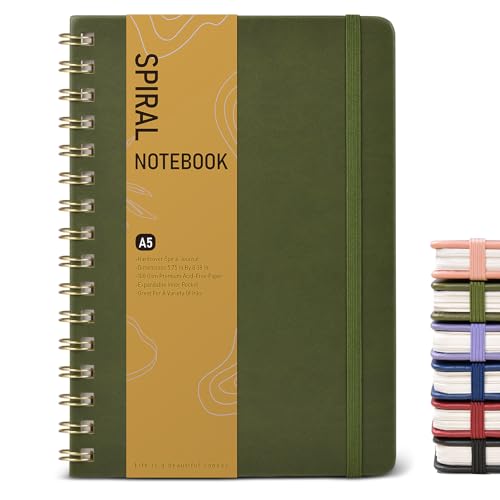
Dedicated space for design sketches, process notes, and measuring jigs—your hands-on reference library that improves every project
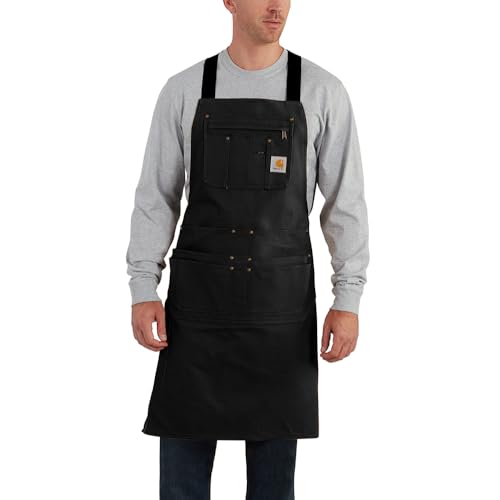
Keeps small tools accessible and protects clothes from glue, clay, ink, and sawdust—every maker space regular wears one
As an Amazon Associate I earn from qualifying purchases. Prices may change.
Safety Tips
- Keep your waterproof first aid kit easily accessible during all maker sessions—the hard shell case (6.3"x4.7"x2.3") fits in most tool drawers or can hang from your workspace. Working with chisels, hot kilns, and power tools means minor cuts and burns happen even to careful makers.
- When using precision measurement tools like digital calipers on machinery or near cutting tools, use the auto-off feature to preserve battery life and keep the caliper's 0.01" accuracy intact—replacing batteries mid-project can throw off your workflow and lead to measurement errors.
Step-by-Step Guide
Find your local making ecosystem
Research maker spaces, community colleges, and arts centers within 30 minutes of home—most offer intro classes for $30-80 per session. Call to ask about open studio hours and tool access after you complete their safety orientation.
💡 Pro Tips:
- • Show up 10 minutes early to your first session to meet the instructor and ask what to bring—most provide everything initially
Commit to one discipline
Pick pottery (wheel-throwing or hand-building), woodworking (joinery basics), printmaking (block or screen), or fiber arts (weaving, dyeing, sewing). Book a beginner workshop or 4-week intro series. Wear clothes that can get dirty, tie back long hair, and bring a compact first aid kit—maker spaces mean sharp tools, hot surfaces, and inevitable splinters.
Study technique, not finished products
Watch how experienced makers hold tools, position their bodies, and check their work. Ask questions when you mess up—instructors love fixing mistakes because that's where learning sticks. Take progress photos after each session to track improvements that feel invisible day-to-day.
💡 Pro Tips:
- • A photo comparing your first mortise and tenon joint to your fifth reveals growth you can't see while grinding through repetitions
Build repetition into your routine
After your intro series, rent studio time or join a maker co-op for 2-3 hour weekly sessions. Repeat fundamental techniques: potters throw 10 cylinders in a row, woodworkers cut 20 practice dovetails, printers pull 30 test prints. Repetition builds motor memory that becomes confidence.
💡 Pro Tips:
- • Use a digital caliper on woodworking projects to check dimensions—consistent measurements build consistent results
Document your technique library
Keep a journal tracking what works: which chisel angle gave you the cleanest cut, how much water that clay body needed, which squeegee pressure produced the best screen print. Your notes become a personal reference guide that compounds over time. Connect with other beginners to trade studio time and troubleshoot together—they spot your mistakes before you do.
Assess after three months
Can you produce consistent results? Do your hands move confidently with the tools? Decide whether to take intermediate classes, deepen your fundamentals, or shift focus. Honest self-assessment prevents the plateau trap where you coast without improving.
Gear Up for Your Quest
The gear that makes this quest work.
Pull it off

Digital Caliper (6-inch)
Teaches measurement precision essential for joinery and fitting parts—you'll use this in every making discipline once you understand tolerances
+ complete the kit — 3 more

Maker's Notebook (Grid or Dot)
RecommendedDedicated space for design sketches, process notes, and measuring jigs—your hands-on reference library that improves every project
Hardbound notebook with grid or dot pattern for sketching designs and documenting techniques
Get on Amazon · $5.93 — Maker's Notebook (Grid or Dot)details & deals →
Shop Apron (Canvas with Pockets)
OptionalKeeps small tools accessible and protects clothes from glue, clay, ink, and sawdust—every maker space regular wears one
Heavy canvas work apron with tool pockets and adjustable straps
Get on Amazon · $39.99 — Shop Apron (Canvas with Pockets)details & deals →
Craftsman's First Aid Kit
OptionalHandles the minor cuts, splinters, and burns that come with learning hand skills—stash it in your workshop bag
Compact first aid kit with bandages, wound wash, and blister care specific to shop injuries
Get on Amazon · $8.98 — Craftsman's First Aid Kitdetails & deals →RELATED GEAR GUIDE
Fermentation & Canning Kit: 8 Beginner Picks
Field-tested picks · Creative Arts
As an Amazon Associate, IRL Sidequests earns from qualifying purchases at no extra cost to you.
Prices and availability are subject to change. The price shown at checkout on Amazon at the time of purchase will apply.
Editor's Picks
Hand-selected quests our team thinks you'll love

Dawn Patrol: Your First Bird Watching Adventure
Wake up with the birds and see your neighborhood through new eyes.

Creative Skills Quest Hub: Learn By Doing
The best way to learn creative skills? Make bad art until it gets good.

Hand-Built Ceramic Bowl Workshop
Your hands built the first bowls 20,000 years ago. They still can.