
Social Dynamics & Group Quests
Stop networking. Start questing together.
About This Quest
Master group coordination and social flow through structured real-world challenges that build trust, communication skills, and authentic connections with strangers or friends.
Social skills aren't born in workshops or seminars. They emerge when you're problem-solving with others under light pressure, laughing at shared failures, and celebrating small victories together. Group quests create natural conversation bridges that bypass the usual awkward small talk phase. You'll coordinate a scavenger hunt through your neighborhood, negotiate with strangers to complete photo challenges, or pool resources to solve urban puzzles that require multiple perspectives. The difference between forced networking and organic connection is context. When you're trying to find the oldest fire hydrant in a three-block radius or convincing a coffee shop owner to let your team perform a 30-second improv scene, you're not thinking about what to say next. You're collaborating. The social anxiety dissolves because the focus shifts from 'making conversation' to 'completing the mission.' Watch how quickly inside jokes form when someone suggests the third wrong turn in a row. This quest framework works for friend groups looking to break routine, coworkers building team dynamics outside the conference room, or solo participants joining organized group challenges in their city. The structure matters: clear objectives, time pressure, rotating leadership roles, and built-in reflection moments. You're not just hanging out. You're building competence in reading group energy, negotiating decisions, handling conflict when someone wants to split up, and adapting strategies when the original plan fails.
Why This Quest Matters
You bypass the awkward small-talk phase entirely because you're too busy convincing a stranger to join your team photo or finding the oldest fire hydrant in three blocks. Social anxiety dissolves when the focus shifts from 'what do I say' to 'how do we solve this.' Inside jokes form fast when someone suggests the third wrong turn in a row.
What You'll Experience
- How to read group energy and negotiate decisions under time pressure
- Your natural role in team dynamics—leader, supporter, improviser, mediator
- How to handle conflict when strategies clash or someone wants to split up
- Pattern recognition: which communication styles work when people are stressed or excited
- How to turn shared failures into stronger social bonds than shared successes
What You'll Need
Top gear to make this quest great.
Pull it off
Custom Quest Card Deck
Makes challenge selection tactile and randomizable, allows teams to draw cards for spontaneous tasks, and creates a portable archive of your quest library that feels more game-like than phone screens
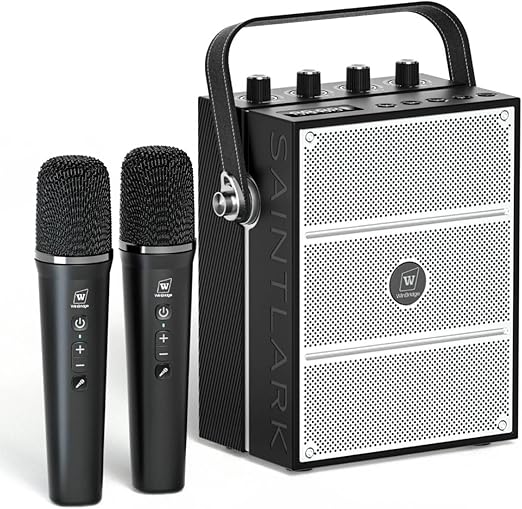
Projects your voice clearly when addressing groups of 8+ people in parks or noisy urban areas without shouting, maintaining energy and ensuring everyone hears instructions and updates simultaneously
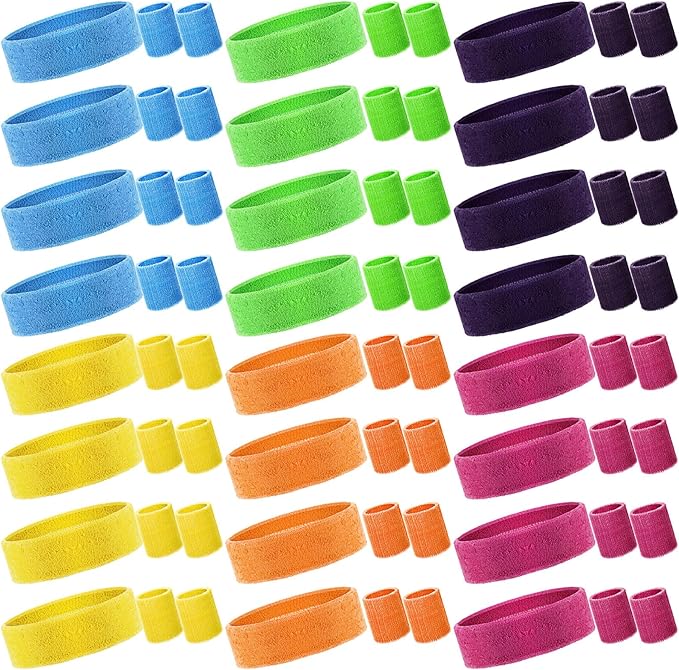
Creates instant visual team identity for strangers in public spaces, makes regrouping easier in crowded areas, and adds a playful competitive element that signals to bystanders this is an organized activity
As an Amazon Associate I earn from qualifying purchases. Prices may change.
Step-by-Step Guide
Design your quest structure
Choose between competitive (teams race), cooperative (shared goal), or hybrid (rotating teams) format. Define your geographic boundaries—a neighborhood radius, downtown district, or park system—and set a time limit between 90 minutes and 3 hours. Build 15-20 challenges across difficulty tiers: physical landmarks, social interactions with strangers, creative public performances, and puzzles requiring group problem-solving.
💡 Pro Tips:
- • Mix courage-based tasks (public performance) with creativity tasks (improvised solutions) to engage different personality types
- • Higher points for challenges that require more social risk or collaborative thinking
Form teams and establish boundaries
Mix personality types intentionally—pair quiet observers with natural leaders. Avoid letting existing friend groups cluster entirely. Set clear rules: point values, bonus multipliers for style or speed, and non-negotiable boundaries (no trespassing, respect anyone who declines participation). Establish communication methods and photo documentation requirements.
💡 Pro Tips:
- • Rotate team compositions halfway through if running multiple rounds to break social comfort zones
Launch and execute the quest
Brief everyone on rules, safety protocols, check-in requirements, and scoring. Teams disperse to complete challenges. Capture photo and video documentation not just for proof, but to record the improvised moments between checkpoints—the risky strategies, failed attempts, and unexpected obstacles that become your best stories.
Run mid-quest check-ins
Gather everyone briefly for 30-second team updates. Each team shares one highlight and their current score. This creates energy boosts, reveals competitive standings, and gives struggling teams encouragement without direct intervention.
Debrief the experience
Gather in a casual setting—park benches, coffee shop, someone's backyard. Each team shares their funniest failure, best improvisation, and one discovery about working together. Let individuals volunteer when they felt most engaged or most socially challenged. Discuss what communication styles worked, how decisions happened under pressure, who took leadership versus support roles, and how disagreements got resolved. Skip corporate language. Just honest observations.
💡 Pro Tips:
- • This debrief matters more than the quest itself—the reflection is where social patterns become visible
Document and build the meta-narrative
Create a shared photo album, inside jokes log, or highlight reel. When planning your next quest, reference callbacks to previous adventures. The accumulated history of your group's quests becomes its own bonding mechanism.
Gear Up for Your Quest
The gear that makes this quest work.
Pull it off

Custom Quest Card Deck
Makes challenge selection tactile and randomizable, allows teams to draw cards for spontaneous tasks, and creates a portable archive of your quest library that feels more game-like than phone screens
+ complete the kit — 4 more

Portable PA Speaker with Microphone
RecommendedProjects your voice clearly when addressing groups of 8+ people in parks or noisy urban areas without shouting, maintaining energy and ensuring everyone hears instructions and updates simultaneously
Compact Bluetooth speaker with built-in or attachable microphone system for group briefings and announcements in outdoor settings
Get on Amazon · $199.99 — Portable PA Speaker with Microphonedetails & deals →
Team Identification Bandanas or Wristbands
RecommendedCreates instant visual team identity for strangers in public spaces, makes regrouping easier in crowded areas, and adds a playful competitive element that signals to bystanders this is an organized activity
Set of 4-6 colors of bandanas or fabric wristbands for team member identification
Get on Amazon · $40.99 — Team Identification Bandanas or Wristbandsdetails & deals →
GooseChase App (Free/Premium)
OptionalAutomates scoring, lets you run quests for 20+ people without manual tracking, and provides real-time engagement through the competitive leaderboard that updates as teams submit photo proof
Scavenger hunt management platform with photo submission, live leaderboards, and GPS check-ins

Instant Camera with Film Pack
OptionalCreates physical mementos teams can exchange at the end, adds a retro tangibility to the experience, and forces more intentional photo composition since you can't take unlimited shots—teams debate which moment deserves the film
Fujifilm Instax or Polaroid camera with 20-40 instant film sheets
Get on Amazon · $30.90 — Instant Camera with Film Packdetails & deals →RELATED GEAR GUIDE
Guerrilla Gardening Gear: 6 Picks to Green Your Block
Field-tested picks · Social & Community
As an Amazon Associate, IRL Sidequests earns from qualifying purchases at no extra cost to you.
Prices and availability are subject to change. The price shown at checkout on Amazon at the time of purchase will apply.
Editor's Picks
Hand-selected quests our team thinks you'll love

Guerrilla Gardening: Plant Beauty Where It's Not Expected
That cracked sidewalk planter doesn't need to stay dead—fill it with wildflowers at 2AM and watch neighbors smile for months.

Backyard Conversation Workshop
Your backyard becomes the training ground where awkward silences turn into confident conversations.

Community Kitchen & Culinary Connection Hub
The best recipes get passed hand-to-hand, not screen-to-screen.