
Random Side Quest Generator: Complete Guide to Spontaneous Adventures
Turn decision paralysis into roll-the-dice action.
About This Quest
Build your own randomized adventure system using dice, cards, and decision frameworks to break routine paralysis and inject spontaneity into daily life.
Most people want spontaneity but freeze when given infinite options. I've spent two years testing randomization systems—from d20 tables scribbled in pocket notebooks to elaborate card-draw mechanics—and the pattern is clear: constraints create action. A six-sided die and a list of coffee shops beats endless scrolling every time. This isn't about wacky random challenges for content. It's a practical system for breaking the "what should I do today" loop. You'll build multiple generator frameworks: location randomizers for exploring your own city, time-of-day challenge tables, budget-tier adventure decks, and hybrid systems that combine multiple variables. The key is pre-loading decisions when you're motivated so your future self just has to roll and go. I keep a set of poker chips in my jacket—red for indoor quests, blue for outdoor, white for social. Grab one without looking on Saturday morning, consult the corresponding list on my phone, and suddenly I'm at a Turkish breakfast spot I've walked past for three years. The system removes the mental negotiation that kills spontaneity before it starts.
Why This Quest Matters
You want spontaneity but freeze when given infinite options. A die and a list of coffee shops beats endless scrolling every time because constraints create action. After a month of rolling, you'll have visited the Turkish breakfast spot you've walked past for three years, skipped the mental negotiation that kills Saturday mornings, and built a reflex of just going instead of wondering if you should.
What You'll Experience
- How to pre-load decisions when motivated so your future self just rolls and goes
- Which randomization tools (d6, d12, d20, cards, chips) match different decision complexities
- Practical frameworks for location, time-of-day, budget-tier, and social adventure generation
- How to identify your actual preferences through logged quest data instead of assumptions
- The no-reroll discipline that overrides your default mood calculator
What You'll Need
Top gear to make this quest great.
Pull it off
Multi-Sided Dice Set (d6, d12, d20)
Different dice sizes match different decision complexity levels—d6 for quick binary choices, d20 for detailed adventure tables with nuanced options
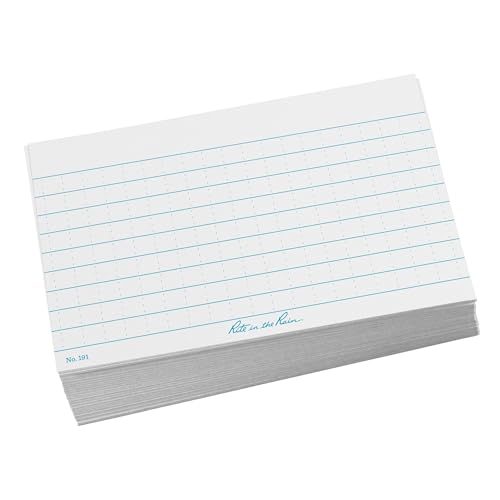
Keep your generator tables readable in rain or snow and accessible without pulling out your phone, reducing the temptation to scroll instead of rolling
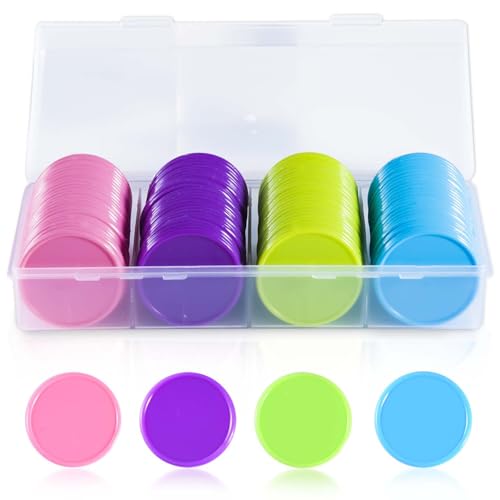
Grab a chip without looking to choose your quest category, adding a tactile randomization layer that prevents unconscious bias toward certain activity types
As an Amazon Associate I earn from qualifying purchases. Prices may change.
Safety Tips
- The Rite In The Rain cards repel water, sweat, grease, and mud, but remember to use only pencil or weatherproof pens—gels and water-based inks will run even on weatherproof paper, potentially making your quest tables unreadable mid-adventure.
- Store your 100 poker chips in the included storage box to prevent loss—the box is designed to hold exactly 4x25 chips organized by the four colors, which prevents counting confusion and makes it easy to track which rating categories you're actually using during your adventure documentation.
Step-by-Step Guide
Pick your randomization tool
Choose your dice or cards based on how many options feel right. A single d6 works for simple binary choices, a d12 gives you variety without overwhelm, and a d20 handles detailed adventure tables. Keep one die in your pocket—the QMay 7x7 set includes seven d12s and d20s with underscored 6s and 9s so you won't misread results when you're standing on a street corner deciding where to go.
💡 Pro Tips:
- • Twelve options hits the sweet spot between variety and decision paralysis when you're staring at the rolled number
Build your first quest table
List 6-12 specific activities you've been meaning to try in your area on Rite In The Rain weatherproof index cards. Write "Vietnamese banh mi spot on Division Street" or "bike repair co-op open workshop"—not vague ideas like "try new restaurant." Include actual addresses. Use pencil or weatherproof pen, never gel inks that run when wet.
💡 Pro Tips:
- • Vague ideas don't survive the moment you roll a 4 and actually need to go somewhere
Create category tables for contexts
Build separate tables on weatherproof cards for Weekend Morning (outdoor activities, breakfast spots, markets), Weeknight (1-hour challenges, cooking experiments), Rainy Day (museums, indoor climbing, café work sessions), and Social (group venues, conversation starter locations). Write each category on its own card with the universal pattern side facing up for easy sorting. Rotate the contents monthly based on what you keep avoiding.
💡 Pro Tips:
- • Four core tables covers most life situations without creating a filing system you'll abandon
Layer in constraint modifiers
Roll a second die simultaneously for constraints: budget level (free/under $20/splurge), distance (walking/bike/drive), time limit (30 min/2 hours/half day), or companion requirement (solo/bring a friend/talk to strangers). With multiple dice from the QMay set, you create unexpected combinations—like "free + 30 minutes + talk to strangers"—that force creative problem-solving instead of defaulting to your usual patterns.
Enforce the no-reroll rule
Accept 80% of your results without question. Veto only genuine safety concerns or closed businesses—not because you're "not in the mood." The whole point is overriding your default mood calculator. Allow yourself one reroll per week for true dealbreakers, logged in a note so you can't cheat. Test the system on low-stakes decisions first: roll for your lunch spot three times this week or which park you walk in. Small repetitions build trust before you use it for full Saturday adventures.
💡 Pro Tips:
- • After a month of small rolls, you'll stop questioning the dice and just grab your keys
Track what actually works
Log each generated quest on an index card: the roll result, what you did, and a 1-5 rating using SenseYo poker chips in four colors (pink=food, purple=nature, blue=social, green=indoor). After 20+ adventures, count your colored chips to see patterns—maybe you consistently rate food quests higher than nature ones, or Tuesday evenings work better than Sundays. Refine your tables based on what you actually enjoy, not what you think you should. Create emergency backup tables on weatherproof cards for common failures: "Everything's closed" list, "Broke until Friday" options, "Brought the wrong shoes" alternatives.
💡 Pro Tips:
- • The 37mm poker chips are easy to pick up and visually track without needing a spreadsheet
- • Build compatible systems with friends so each person rolls from different colored dice sets and you combine results—automatic adventure, no "what do you want to do?" death spiral
Gear Up for Your Quest
The gear that makes this quest work.
Pull it off

Multi-Sided Dice Set (d6, d12, d20)
Different dice sizes match different decision complexity levels—d6 for quick binary choices, d20 for detailed adventure tables with nuanced options
+ complete the kit — 2 more

Weatherproof Index Cards with Ring
RecommendedKeep your generator tables readable in rain or snow and accessible without pulling out your phone, reducing the temptation to scroll instead of rolling
Water-resistant pocket-sized cards on a binder ring for portable quest tables
Get on Amazon · $17.06 — Weatherproof Index Cards with Ringdetails & deals →
Poker Chip Set (3+ Colors)
OptionalGrab a chip without looking to choose your quest category, adding a tactile randomization layer that prevents unconscious bias toward certain activity types
Colored chips for blind category selection before consulting detailed tables
Get on Amazon · $7.99 — Poker Chip Set (3+ Colors)details & deals →RELATED GEAR GUIDE
Gamify Your Life Kit: 6 Picks to Turn Days Into Quests
Field-tested picks · Personal Growth
As an Amazon Associate, IRL Sidequests earns from qualifying purchases at no extra cost to you.
Prices and availability are subject to change. The price shown at checkout on Amazon at the time of purchase will apply.
Editor's Picks
Hand-selected quests our team thinks you'll love

Desk Reset Rituals for Screen Workers
Your screen blur isn't age—it's ritual deficit.

Build Your Domestic Confidence Toolkit
The difference between panicking when something breaks and calmly handling it yourself.

Gaming-Inspired Real-Life Challenges
Your life stats are stagnant—time to grind IRL and unlock new abilities.