
Stage Presence: Live Performance Workshop
The space between you and the audience is where magic happens—learn to own it.
About This Quest
Build authentic stage confidence through structured exercises in vocal projection, body language, and audience connection—no theater degree required.
Most people think stage presence is something you're born with. It's not. It's a learnable skill built on three pillars: how you use your voice, how you occupy space, and how you connect with people watching you. This workshop breaks down what professional performers know—that commanding a stage is about technique, not personality. You'll work through vocal warm-ups that theater actors use to project without straining, movement exercises that help you feel grounded instead of fidgety, and improvisation drills that teach you to stay present when things don't go as planned. The goal isn't to become someone else—it's to amplify who you already are. Whether you're preparing for a keynote, an open mic, a theater audition, or just want to stop feeling invisible in group settings, these fundamentals apply. The best part? You don't need a stage. A living room works. A community center works. Anywhere with 10 feet of clear floor space and enough privacy to feel stupid for five minutes (because you will, and that's when the learning starts). By the end, you'll understand why seasoned performers look relaxed up there—they've trained their bodies to handle the adrenaline instead of fighting it.
Why This Quest Matters
The difference between someone who commands a room and someone who shrinks in it isn't charisma—it's training. These techniques are what professional performers use to channel adrenaline into power instead of letting it scatter them. By the end, you'll understand why seasoned speakers look relaxed up there: their bodies know what to do when the spotlight hits.
What You'll Experience
- How to project your voice from your diaphragm without straining your throat
- A grounded physical stance that keeps you centered when nerves hit
- Techniques for maintaining eye contact that feels engaged, not aggressive
- How to sit in silence on stage without panicking
- The walk and posture that amplifies your natural presence
What You'll Need
Top gear to make this quest great.
Pull it off
Full-Length Mirror (Portable or Wall-Mounted)
Lets you self-correct posture, gestures, and facial expressions in real-time. Professional performers drill in front of mirrors because your internal sense of your body is often wrong—what feels like a huge gesture looks tiny from 20 feet away.
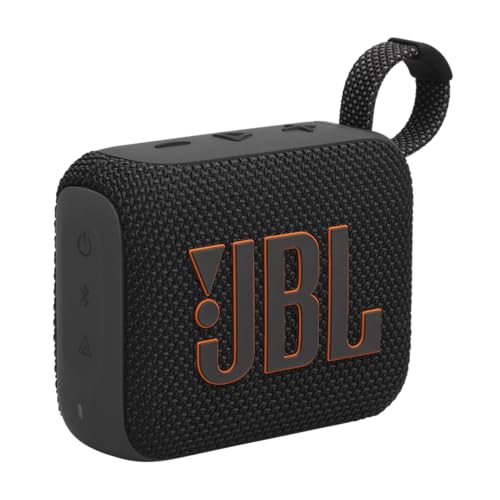
Essential for practicing with music or soundscapes, and for testing how your voice projects over ambient sound. Performers need to work with audio, not against silence—you'll learn to adjust your delivery when there's competing noise.
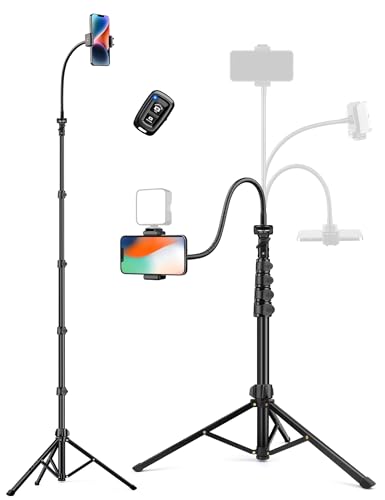
Recording yourself is uncomfortable but essential—you see what audiences see. A tripod lets you film from audience perspective (8-10 feet back, eye level) without propping your phone on a stack of books.
As an Amazon Associate I earn from qualifying purchases. Prices may change.
Step-by-Step Guide
Prepare your practice space
Clear at least 10x10 feet of open floor. Push furniture to the edges so you can move freely without feeling cramped or knocking things over. You need enough room to stride across the space and shift your weight without hesitation.
Warm up your voice and projection
Hum from your lowest to highest comfortable note, feeling vibrations in your chest and face. Place your hand below your ribcage and practice diaphragm breathing—push air out while saying 'Hey!' so your hand moves outward, not your shoulders rising. Stand at one end of your space and project a simple sentence to the far wall five times, imagining the room grows slightly larger each round.
💡 Pro Tips:
- • Don't shout—aim your voice at a specific point on the wall like you're threading a needle with sound
- • Your diaphragm does the work; if your shoulders are lifting, you're using throat muscles that will strain
Find your grounded stance and power walk
Stand feet hip-width apart, knees slightly bent. Shift your weight forward, back, and side to side until you find center—this is your neutral stance you'll return to when nerves scatter you. Walk across your space in different styles (confident stride, hesitant shuffle, casual stroll) and notice how your body changes your internal state. Identify the walk that feels both powerful and natural to you.
💡 Pro Tips:
- • When anxiety hits during performance, your weight will drift—practice snapping back to center like a reset button
Train your eye contact
Set up three objects at different heights and distances—a lamp, picture frame, doorknob. Practice 'speaking' to each one for 10 seconds before moving to the next. This builds the muscle for holding eye contact with real audience members without staring them down or nervously darting around the room.
Run your 90-second performance
Choose any topic and deliver 90 seconds incorporating everything: grounded stance, projection voice, intentional movement, eye contact with your three 'audience members.' Record it on your phone if you can stomach watching it back. Midway through your next practice run, purposely stop mid-sentence and stand silent for five full seconds before continuing—sitting in uncomfortable silence without panic is stage presence gold.
💡 Pro Tips:
- • The topic doesn't matter; you're training physical and vocal technique, not content
- • Watching yourself back is brutal but shows you exactly where you're losing energy or shrinking
Cool down your body
Finish with gentle neck rolls and shoulder shrugs. Stage work is physically demanding and your body holds tension you won't notice until you stop moving.
Gear Up for Your Quest
The gear that makes this quest work.
Pull it off

Full-Length Mirror (Portable or Wall-Mounted)
Lets you self-correct posture, gestures, and facial expressions in real-time. Professional performers drill in front of mirrors because your internal sense of your body is often wrong—what feels like a huge gesture looks tiny from 20 feet away.
+ complete the kit — 3 more

Portable Bluetooth Speaker
RecommendedEssential for practicing with music or soundscapes, and for testing how your voice projects over ambient sound. Performers need to work with audio, not against silence—you'll learn to adjust your delivery when there's competing noise.
A speaker with decent volume and bass response
Get on Amazon · $39.95 — Portable Bluetooth Speakerdetails & deals →
Vocal Training App (Vanido or Vocal Warm Up)
OptionalProvides structured warm-ups and real-time feedback on pitch and tone. Better than guessing whether you're doing exercises correctly—these apps listen and guide you through proper technique.
Mobile apps with guided vocal exercises and pitch tracking

Tripod with Phone Mount
OptionalRecording yourself is uncomfortable but essential—you see what audiences see. A tripod lets you film from audience perspective (8-10 feet back, eye level) without propping your phone on a stack of books.
Adjustable tripod that holds your phone at various heights and angles
Get on Amazon · $23.99 — Tripod with Phone Mountdetails & deals →RELATED GEAR GUIDE
Fermentation & Canning Kit: 8 Beginner Picks
Field-tested picks · Creative Arts
As an Amazon Associate, IRL Sidequests earns from qualifying purchases at no extra cost to you.
Prices and availability are subject to change. The price shown at checkout on Amazon at the time of purchase will apply.
Editor's Picks
Hand-selected quests our team thinks you'll love

Dawn Patrol: Your First Bird Watching Adventure
Wake up with the birds and see your neighborhood through new eyes.

Creative Skills Quest Hub: Learn By Doing
The best way to learn creative skills? Make bad art until it gets good.

Hand-Built Ceramic Bowl Workshop
Your hands built the first bowls 20,000 years ago. They still can.