
Street Food Tour: Cultural Immersion Through Local Cuisine
The best cultural education costs $5 and fits in a paper wrapper.
About This Quest
Navigate immigrant neighborhoods and ethnic enclaves through authentic street food, learning cultural stories behind each bite while supporting local vendors.
Real cultural immersion doesn't happen in museums—it happens at the taco truck where the abuela doesn't speak English but somehow explains her mole recipe through gestures and taste. Street food vendors are gatekeepers to culinary traditions that span generations, offering not just cheap eats but living history lessons wrapped in banana leaves or stuffed into bao. This quest maps ethnic neighborhoods through their food ecosystems. You'll learn to spot the vendors locals actually trust (watch for the longest lines at lunch rush), decode handwritten signs in languages you don't read, and navigate the unspoken etiquette of ordering from someone's sidewalk setup. The Vietnamese pho cart owner remembers customers' preferences after one visit. The Salvadoran pupusa lady hand-presses each order while explaining why her grandmother's curtido recipe uses more cabbage than typical. Beyond eating, you're documenting food histories and supporting micro-economies that banks won't touch. That $8 you spend on birria tacos funds someone's rent, their kid's school supplies, and their dream of eventually opening a brick-and-mortar spot. You become a regular, not a tourist. You learn why certain dishes only appear during specific holidays, why this particular intersection became the unofficial Little Ethiopia hub, and how third-generation vendors adapt traditional recipes to local ingredients without losing authenticity.
Why This Quest Matters
This quest turns eating into education and you into a regular, not a tourist. That $8 spent on birria tacos funds someone's rent and their dream of opening a real restaurant, while you learn why certain dishes only appear during specific holidays and how third-generation vendors adapt recipes without losing authenticity. You'll decode handwritten signs, navigate unspoken ordering etiquette, and document living food histories that span generations.
What You'll Experience
- How to spot vendors locals actually trust versus Yelp tourist traps
- Unspoken etiquette for ordering from sidewalk setups and family-run carts
- Why specific intersections became unofficial cultural food hubs
- How to become a recognized regular who gets the real menu recommendations
- The infrastructure that supports immigrant food economies
What You'll Need
Top gear to make this quest great.
Pull it off
Cash in Small Bills
Most street vendors operate cash-only and can't always break large bills—having exact change shows respect for their limited cash float and speeds service during busy periods
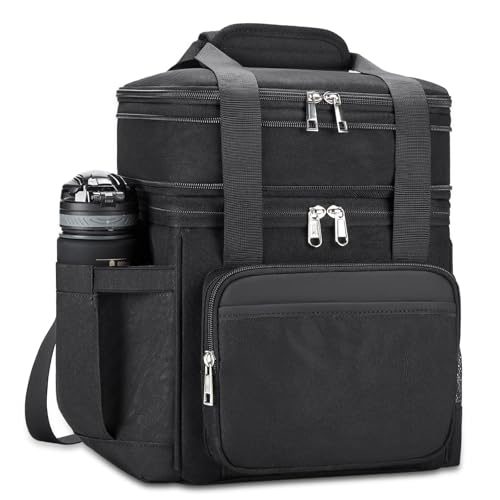
Keeps earlier purchases at safe temperatures while you continue your tour, prevents sauce leakage, and shows vendors you're serious about preserving their food quality—many will pack items more carefully when they see proper storage

Read handwritten signs and menus in non-Latin scripts, facilitate conversations with vendors who have limited English, and show respect by attempting their language—builds rapport faster than pointing
As an Amazon Associate I earn from qualifying purchases. Prices may change.
Step-by-Step Guide
Map your city's ethnic food corridors
Research neighborhoods with non-English business signs, cultural community centers, and clustered specialty grocers. Identify 4-5 street vendors or small family-run spots within walking distance—prioritize carts with handwritten menus, long local lines (not Yelp tourists), and vendors cooking on-site. Monday through Wednesday avoid weekend crowds while vendors are fully stocked.
💡 Pro Tips:
- • Many street vendors close by 3PM or operate lunch-only service—confirm hours before planning your route
- • If every customer is a food blogger with a camera, you're in the wrong spot
Order small and watch the regulars
Start with the least filling item at your first stop so you can sample multiple vendors. Watch how regulars order—they often skip menus and request by ingredient or preparation style. Ask about specialties when vendors aren't slammed; busy lunch rush isn't story time.
💡 Pro Tips:
- • Use your phone's translation tool to read posted signs about ingredient sourcing or family history, not just menus
Document the food and its ecosystem
Photograph vendor setups after asking permission. Record dish names in their original language and note neighborhood context. Pay attention to who's eating there—if you're the only outsider, you've found authenticity. Notice why this Jamaican jerk spot sits next to a Ghanaian kenkey vendor and what immigrant waves created this food corridor.
💡 Pro Tips:
- • Check out nearby grocery stores selling the same ingredients your vendors use—they'll deepen your understanding of the cuisine
Explore the surrounding infrastructure
Between food stops, walk the surrounding blocks. Notice community bulletin boards advertising cultural events, remittance services, and international phone card vendors—these reveal the infrastructure of immigrant communities. These details explain why certain intersections became unofficial cultural hubs.
Sit with tea and plan your return
End at a spot serving tea or coffee where you can review photos and organize notes. The best vendor relationships develop over multiple visits when they recognize your face and start recommending their actual favorite dishes instead of tourist-friendly versions. Plan which vendors you'll return to first.
Gear Up for Your Quest
The gear that makes this quest work.
Pull it off

Cash in Small Bills
Most street vendors operate cash-only and can't always break large bills—having exact change shows respect for their limited cash float and speeds service during busy periods
+ complete the kit — 3 more

Insulated Food Carrier Bag
RecommendedKeeps earlier purchases at safe temperatures while you continue your tour, prevents sauce leakage, and shows vendors you're serious about preserving their food quality—many will pack items more carefully when they see proper storage
Compact insulated bag with multiple compartments
Get on Amazon · $19.46 — Insulated Food Carrier Bagdetails & deals →
Offline Translation Device/App Pro Version
RecommendedRead handwritten signs and menus in non-Latin scripts, facilitate conversations with vendors who have limited English, and show respect by attempting their language—builds rapport faster than pointing
Offline-capable translation tool with image recognition for menus
Get on Amazon · $89.99 — Offline Translation Device/App Pro Versiondetails & deals →
Pocket Food Journal or Note App
OptionalRecord vendor names, dish pronunciations, ingredient lists, and personal recommendations in real-time before memory fades—helps you recreate flavors at home and remember which cart made the best version
Compact notebook or dedicated note-taking app for food documentation
Get on Amazon · $5.98 — Pocket Food Journal or Note Appdetails & deals →RELATED GEAR GUIDE
Guerrilla Gardening Gear: 6 Picks to Green Your Block
Field-tested picks · Social & Community
As an Amazon Associate, IRL Sidequests earns from qualifying purchases at no extra cost to you.
Prices and availability are subject to change. The price shown at checkout on Amazon at the time of purchase will apply.
Editor's Picks
Hand-selected quests our team thinks you'll love

Guerrilla Gardening: Plant Beauty Where It's Not Expected
That cracked sidewalk planter doesn't need to stay dead—fill it with wildflowers at 2AM and watch neighbors smile for months.

Backyard Conversation Workshop
Your backyard becomes the training ground where awkward silences turn into confident conversations.

Community Kitchen & Culinary Connection Hub
The best recipes get passed hand-to-hand, not screen-to-screen.