
Studio-in-a-Box Challenge: 30-Day Portable Maker System
Your entire creative practice, contained in 12 inches of organized chaos.
About This Quest
Transform any space into a functional creative studio with a curated portable toolkit. Master 15+ making techniques from sketching to textile arts using one compact system.
Most people abandon creative hobbies because they think they need a dedicated studio, expensive equipment, or hours of uninterrupted time. This quest flips that assumption. You'll build a portable making kit that fits in a standard storage box and teaches you 15+ fundamental techniques across different media—sketching, painting, printmaking, bookbinding, textile manipulation, and sculptural work. Each technique uses the same core tools, so you're not accumulating clutter. The system works like this: Week one, you assemble your kit and master three foundational skills (gesture drawing, basic watercolor washes, simple stitching). Week two adds complexity with combination techniques—sketch then paint, paint then stitch, draw then fold. Week three introduces printmaking and relief work using materials you already gathered. Week four focuses on three-dimensional construction and book arts. By day 30, you'll have completed 30 small finished pieces and developed a daily making habit that requires zero setup time. The real magic happens around day 12 when you stop thinking about individual techniques and start combining them instinctively. A watercolor background becomes the base for embroidery thread painting. A simple accordion fold turns into a mini artist book with printed covers. You're not learning crafts in isolation—you're building a flexible creative vocabulary that adapts to whatever materials you have on hand. Kitchen table, park bench, airport gate—anywhere flat becomes your studio.
Why This Quest Matters
By day 12, you'll stop thinking about individual techniques and start combining them instinctively—a watercolor background becomes the base for thread painting, a simple fold turns into a mini artist book. Thirty days in, you'll have 30 finished pieces and a daily making habit that works at kitchen tables, park benches, or airport gates. Zero setup time, zero excuses.
What You'll Experience
- 15+ fundamental techniques across sketching, painting, printmaking, bookbinding, and textile work
- How to layer different media instinctively instead of working in isolated crafts
- A portable creative system that fits in 12 inches and requires no dedicated studio space
- The confidence to make finished work in 15-45 minutes anywhere flat
- Your own visual language built from gesture drawing, washes, stitching, stamping, and folding
What You'll Need
Top gear to make this quest great.
Pull it off
Multi-Tier Art Supply Organizer Box
Keeps all supplies contained and visible—zero setup time means you actually use it. Compartments prevent tools from tangling. Clear lid lets you see what's inside before opening.
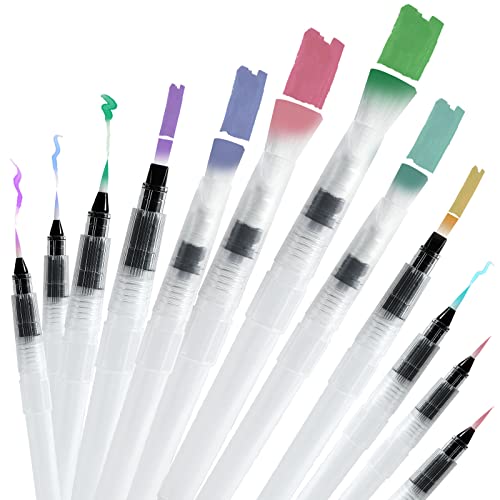
Eliminates need for separate water cup—paint anywhere without spills. Consistent water flow means predictable results. Game-changer for portable work.
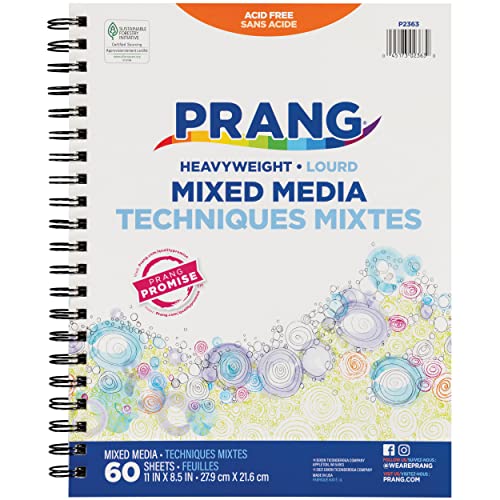
Standard paper buckles with watercolor or glue. This weight stays flat and accepts layered techniques. Hardbound cover doubles as portable work surface.
As an Amazon Associate I earn from qualifying purchases. Prices may change.
Safety Tips
- The Junreox watercolor brush pens have non-toxic plastic bodies and sheer nylon hair bristles that are safe for children, and the durable bristles won't spread or smear during use. For first-time use, you may need to squeeze harder to moisten the brush tip.
- The ARTEZA watercolor half-pans have high opacity that lends itself to layering—take advantage of this thick consistency which resists cracking or fading. You can use the lid of the tin box as a palette for mixing colors.
Step-by-Step Guide
Build Your Portable Studio Kit
Pack a 12-inch tackle box with watercolors, watercolor brush pens, fine-liner pens, soft graphite pencils, bone folders, embroidery supplies, scissors, glue, ruler, and a mixed media journal. Everything adjusts into dividers so you can grab-and-go. Test that the lid closes flat—this box needs to slide into a backpack.
💡 Pro Tips:
- • Fill watercolor brush pens only 2/3 full (unscrew barrel, add clean water, tighten clockwise)
- • Store embroidery floss in a small ziplock to prevent tangling with other tools
Master Three Foundation Skills
Days 1-9: Spend three days on gesture drawing (20 continuous-line objects per session, 5-minute timer). Then three days practicing watercolor washes—flat, graded, and wet-in-wet on scrap paper. Finally, three days thread-drawing by sketching shapes, poking holes 1/4 inch apart, and backstitching through paper. Save every finished sheet in dated envelopes.
💡 Pro Tips:
- • Day three gesture drawings will feel smoother than day one—this is your hand learning
- • Mix only three watercolor colors per study; overworking muddles the wash
Combine Techniques Into Layered Pieces
Days 10-18: Start layering—watercolor a portrait, then stitch the hairline. Draw gestures, then add wash backgrounds. Around day 12, you'll stop thinking in isolated skills. Next, try mono-printing by painting on plastic sheets and pressing paper on top with your bone folder. Then fold an accordion-style book (6x12 inch strip, 1.5-inch panels). One piece, multiple methods.
💡 Pro Tips:
- • Mono-prints only work once per painted surface—the imperfection is the entire point
- • Bone folders create sharp creases in two passes; don't rush the fold
Add Relief Stamping and Collage
Days 19-24: Carve simple shapes into rubber erasers (always cut away from your body), ink with watercolor, and stamp grids or scattered patterns onto paper. Then tear painted scraps into organic shapes, arrange without glue for five minutes, commit, and add pen details on top. Ancient textile designers worked exactly this way with woodblocks.
💡 Pro Tips:
- • Torn edges feel more cohesive than cut ones in collage work
- • Test your carved stamp on scrap paper first—you can't un-carve
Construct Miniature Folded Books
Days 25-27: Cut a 4x4 inch square, fold it in half three times with your bone folder, then cut strategic slits to create pages. You've just made a 16-page book from one sheet. Fill it with a single-day story using any technique from your kit—sketches, washes, stitches, stamps, or all of them.
💡 Pro Tips:
- • The third fold is always the trickiest; use the straight bone folder edge for even pressure
Create Your Personal Integration Piece
Days 28-30: Choose your three favorite techniques and combine them into one finished work that feels natural to you, not like you're following instructions. Then photograph all 30 pieces in consistent lighting and arrange them in a 6x5 grid. The overview shows your progression—notice how your hand relaxed, your colors got bolder, your compositions gained confidence.
💡 Pro Tips:
- • Store finished works in your tackle box's three layers using dividers to keep everything flat and portable
Gear Up for Your Quest
The gear that makes this quest work.
Pull it off

Multi-Tier Art Supply Organizer Box
Keeps all supplies contained and visible—zero setup time means you actually use it. Compartments prevent tools from tangling. Clear lid lets you see what's inside before opening.
+ complete the kit — 4 more

Eliminates need for separate water cup—paint anywhere without spills. Consistent water flow means predictable results. Game-changer for portable work.
Set of 3 self-filling brush pens (fine/medium/broad tips) with water reservoir barrels
Get on Amazon · $5.49 — Waterbrush Pen Set with Reservoirsdetails & deals →
Standard paper buckles with watercolor or glue. This weight stays flat and accepts layered techniques. Hardbound cover doubles as portable work surface.
Hardbound sketchbook, 5.5x8 inch, 60 sheets of heavy mixed media paper that handles wet and dry media
Get on Amazon · $6.93 — Mixed Media Sketchbook (140 lb/300 gsm)details & deals →
Compact Watercolor Half-Pan Set
EssentialHalf-pans are portable and last months. Built-in palette means one less item to carry. Student-grade pigments look muddy—artist-grade makes learning easier because colors actually mix predictably.
12-24 color watercolor set in metal tin with built-in mixing palette, artist-grade pigments
Get on Amazon · $23.99 — Compact Watercolor Half-Pan Setdetails & deals →
Bone Folder and Scoring Tool
RecommendedMakes crisp folds without cracking paper—essential for book structures and layered work. The pointed end scores fold lines, rounded end burnishes them flat. Bookbinders have used this exact tool for 400 years.
Traditional bookbinding tool, 6-inch Teflon or natural bone, with pointed and rounded ends
Get on Amazon · $4.99 — Bone Folder and Scoring Tooldetails & deals →RELATED GEAR GUIDE
Fermentation & Canning Kit: 8 Beginner Picks
Field-tested picks · Creative Arts
As an Amazon Associate, IRL Sidequests earns from qualifying purchases at no extra cost to you.
Prices and availability are subject to change. The price shown at checkout on Amazon at the time of purchase will apply.
Editor's Picks
Hand-selected quests our team thinks you'll love

Dawn Patrol: Your First Bird Watching Adventure
Wake up with the birds and see your neighborhood through new eyes.

Creative Skills Quest Hub: Learn By Doing
The best way to learn creative skills? Make bad art until it gets good.

Hand-Built Ceramic Bowl Workshop
Your hands built the first bowls 20,000 years ago. They still can.