
Creative Community Workshops Hub
Turn your creative skills into community connection—one workshop at a time.
About This Quest
Learn how to design, promote, and run engaging creative workshops in your local community, from pottery classes to photography meetups.
You know how to throw clay, mix colors, or capture light—but teaching it to others is a different beast. Running creative workshops means juggling curriculum design, space logistics, and the delicate art of making beginners feel capable without dumbing things down. The magic happens when someone's eyes light up after they nail that glaze technique or finally understand aperture. The real work isn't in the teaching—it's in the infrastructure. Finding affordable studio space that allows walk-ins, pricing sessions so you're not working for free, building a waitlist through word-of-mouth instead of expensive ads. Most successful workshop leaders start with a single two-hour class at a local coffee shop back room or library, then scale up based on what actually fills seats. You'll learn more from your first three workshops than any business course. This isn't about becoming a full-time educator or opening an art school. It's about creating recurring touchpoints where neighbors meet, skills get shared, and your craft becomes part of the local fabric. The best part? Your students become your community—they bring friends, request new topics, and eventually some start teaching their own workshops.
Why This Quest Matters
The first time a complete beginner finishes a project they're genuinely proud of—and insists on showing everyone in the room—you'll understand why workshop leaders keep doing this. You're not just teaching a skill; you're creating a recurring space where neighbors become friends, your craft weaves into the local fabric, and students eventually start teaching their own sessions. Your community grows itself.
What You'll Experience
- How to break complex skills into teachable 2-3 hour sessions that produce finished projects
- The real economics of workshop pricing, material sourcing, and venue negotiations
- Which promotion channels actually fill seats in your neighborhood versus wasting time
- How to read a room of beginners and troubleshoot on the fly without slowing the group
- The infrastructure that turns one-off classes into a sustainable teaching practice
What You'll Need
Top gear to make this quest great.
Pull it off
Portable Folding Wagon Cart
Transforms your load-in process—carry 3-4 bins of supplies, tools, and materials in one trip instead of making six sweaty runs from your car. Essential if teaching at rotating venues without storage.
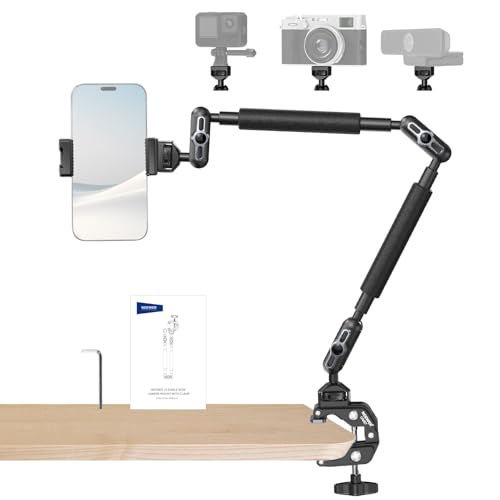
Shows detailed hand movements and close-up techniques to the entire room simultaneously. No more huddling around your demo table or repeating the same demo five times. Connect to a laptop via HDMI or use screen-mirroring apps.
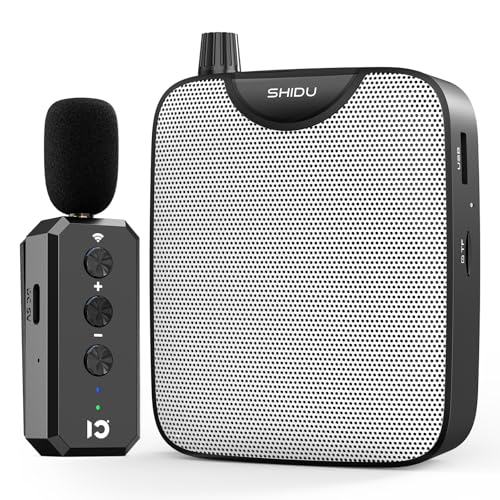
Lets you circulate around the room while demonstrating without shouting. Critical in echo-heavy community spaces or when working with power tools, blenders, or noisy materials. Students hear every instruction clearly.
As an Amazon Associate I earn from qualifying purchases. Prices may change.
Step-by-Step Guide
Design your first teachable session
Pick one specific skill narrow enough to teach in 2-3 hours—block printing beats 'painting,' food photography beats 'photography.' Break it into 4-5 clear steps with a finished take-home project. Budget 15 minutes for intro, 90 minutes hands-on, 15 minutes cleanup and questions.
💡 Pro Tips:
- • Specificity sells: 'succulent terrarium building' fills seats better than 'gardening basics'
- • Test your timing solo first—beginners always take 30% longer than you think
Lock down venue and pricing
Scout free or cheap spaces like library meeting rooms, coffee shop back corners during off-peak hours, or community centers. Visit during your planned time slot to check table height, lighting, sink access, and noise. Price by calculating materials per person plus $30-50/hour for your teaching time—most beginner workshops land at $40-75 for 2-3 hours.
💡 Pro Tips:
- • Church basements and coworking spaces often have unused evening slots
- • Ask venues to share your workshop with their email list—instant credibility
Set up registration and promote locally
Use Eventbrite, Meetup, or a Google Form linked to Venmo/PayPal. Collect payment upfront to kill no-shows. Cap your first session at 6-8 people. Promote in neighborhood Facebook groups, NextDoor, local subreddit, and with flyers in relevant shops. Personal invites to friends outperform Instagram ads every time.
💡 Pro Tips:
- • Post in groups where your exact audience hangs out—a calligraphy workshop announcement belongs in a book club group, not a general community board
Prep materials and run the session
Create a packing checklist and pre-assemble student kits the night before. Bring 20% extra supplies and label everything in clear bins. Arrive 30 minutes early. Greet people by name, demonstrate each step before they try it, and walk the room constantly—beginners won't ask for help. Take photos of finished work with permission for future promotions.
💡 Pro Tips:
- • Most people won't interrupt to ask questions, so narrate common mistakes as you circulate: 'I see a few folks pressing too hard here—lighter touch works better'
Gather feedback and iterate your rhythm
End with a 2-minute verbal check-in or paper survey asking what confused them, what they loved, and what they'd pay to learn next. Capture emails for your next announcement. After 3-4 sessions, adjust timing, simplify confusing steps, and upgrade problem materials. Introduce a punch card for repeat students.
💡 Pro Tips:
- • The question 'what would you pay to learn next?' reveals what actually fills seats versus what sounds good in theory
Build your teaching infrastructure
Document your lesson plan with timing notes, common mistakes, and troubleshooting tips. Create a standard welcome email template. Develop relationships with local suppliers for bulk discounts. Join local maker or educator groups to swap venues and cross-promote workshops. Consider recruiting an assistant once you're running 10+ person sessions.
💡 Pro Tips:
- • Your best promoters are successful students—they bring friends and request follow-up topics you hadn't considered
Gear Up for Your Quest
The gear that makes this quest work.
Pull it off

Portable Folding Wagon Cart
Transforms your load-in process—carry 3-4 bins of supplies, tools, and materials in one trip instead of making six sweaty runs from your car. Essential if teaching at rotating venues without storage.
+ complete the kit — 3 more

Canva Pro or Workshop Template Bundle
EssentialPopularQuickly create professional-looking promotional materials without design skills. Pre-made workshop flyer templates save hours. The brand kit feature keeps your visual identity consistent across venues and series.
Design platform with templates for flyers, handouts, social graphics, sign-up forms

Shows detailed hand movements and close-up techniques to the entire room simultaneously. No more huddling around your demo table or repeating the same demo five times. Connect to a laptop via HDMI or use screen-mirroring apps.
Camera positioned above your workspace, broadcasting to a screen or projector
Get on Amazon · $33.99 — Adjustable Document Camera or Overhead Smartphone Mountdetails & deals →
Wireless Lapel Microphone System
OptionalLets you circulate around the room while demonstrating without shouting. Critical in echo-heavy community spaces or when working with power tools, blenders, or noisy materials. Students hear every instruction clearly.
Clip-on mic with portable speaker for rooms with poor acoustics
Get on Amazon · $56.68 — Wireless Lapel Microphone Systemdetails & deals →RELATED GEAR GUIDE
Guerrilla Gardening Gear: 6 Picks to Green Your Block
Field-tested picks · Social & Community
As an Amazon Associate, IRL Sidequests earns from qualifying purchases at no extra cost to you.
Prices and availability are subject to change. The price shown at checkout on Amazon at the time of purchase will apply.
Editor's Picks
Hand-selected quests our team thinks you'll love

Guerrilla Gardening: Plant Beauty Where It's Not Expected
That cracked sidewalk planter doesn't need to stay dead—fill it with wildflowers at 2AM and watch neighbors smile for months.

Backyard Conversation Workshop
Your backyard becomes the training ground where awkward silences turn into confident conversations.

Community Kitchen & Culinary Connection Hub
The best recipes get passed hand-to-hand, not screen-to-screen.