
Side Quest Generator: Turn Daily Life Into Adventures
Your commute isn't boring—you just haven't unlocked its achievement tree yet.
About This Quest
Transform mundane routines into engaging real-world challenges using gamification frameworks that stick. Build systems that make grocery runs, commutes, and errands feel like leveling up.
You're standing in line at the DMV for the third time this month. Or sitting in traffic on the same route you've driven 400 times. Most people see tedium. You're about to see a challenge map. This framework teaches you to layer game mechanics onto the stuff you already do—not by pretending it's fun, but by adding real stakes, progress markers, and discovery elements. You'll learn to spot hidden objectives in your neighborhood, create randomized challenge tables for weekly errands, and build personal achievement systems that track the parts of life that normally feel invisible. The goal isn't to turn everything into a game. It's to notice what's already interesting and give yourself credit for showing up. After a few weeks of this, you'll catch yourself taking the long way home just to complete a street photography collection, or volunteering for the grocery run because you're hunting for ingredients from five different countries. The tasks don't change. Your relationship with them does.
Why This Quest Matters
The DMV line and the 400th commute don't get less boring by pretending—they get interesting when you give yourself actual challenges and track what you discover. After a few weeks, you'll volunteer for the grocery run because you're hunting ingredients from five countries, or take the long way home to finish a street photography set. The tasks stay the same. Your attention and the credit you give yourself for showing up shift completely.
What You'll Experience
- How to identify high-volume tasks that are prime targets for gamification
- Four game frameworks—Collection, Time Trial, Randomizer, Discovery—and when to use each
- How to design achievement tiers with specific, actionable criteria
- The habit of logging what actually happened versus what you intended
- How to spot when a quest produces real skill growth versus just busywork
What You'll Need
Top gear to make this quest great.
Pull it off
Compact dot grid journal (80+ pages, pocket-size)
The physical act of logging quests by hand creates stronger memory anchors than digital tracking. Dot grids let you mix quick sketches with written logs. Compact size means it's always with you for spontaneous quest documentation.
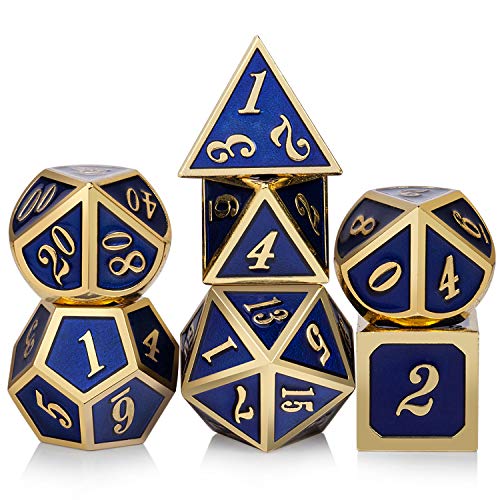
Physical dice create genuine unpredictability that's more engaging than app randomizers. The tactile ritual of rolling before a quest sets intention. Different dice types let you scale challenge complexity—d6 for simple choices, d20 for complex decision trees.
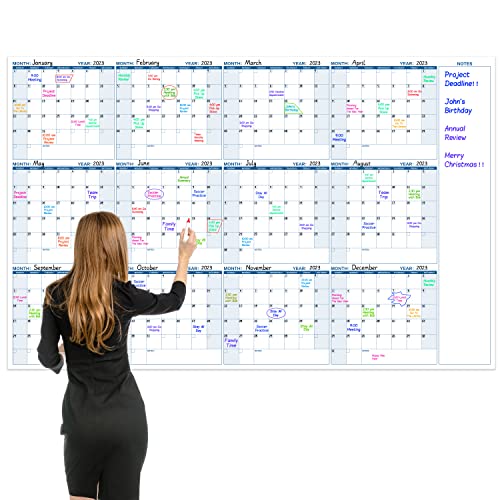
Visual progress tracking in your living space creates ambient accountability. Color-coding quest types reveals patterns in how you spend time. Erasing and rewriting monthly goals creates natural reset points without digital notification fatigue.
As an Amazon Associate I earn from qualifying purchases. Prices may change.
Safety Tips
- The DnDnD metal dice set weighs 3.76oz (107g) and is made of zinc alloy—substantially heavier than plastic dice. Store them in the included metal box when not in use to prevent damage to surfaces or other items in your bag.
- The Large Dry Erase Calendar measures 37" × 57.9" and requires significant wall space. Before mounting, ensure your wall can accommodate this size and that you use appropriate mounting hardware for the calendar's weight to prevent it from falling.
Step-by-Step Guide
Track your boring week baseline
For 7 days, log every recurring task—commutes, errands, chores, waiting periods. Note how long each takes, how often it happens, and rate your annoyance 1-10. Carry a pocket notebook to capture tasks the moment they occur, not from memory later.
💡 Pro Tips:
- • Don't pre-judge what counts as 'recurring'—even a 3-minute task done 4 times weekly is worth tracking.
- • The annoyance rating matters. You're hunting for tasks that happen often AND drain you (6+ score).
Pick three targets and choose your game layer
Select the three tasks you do 3+ times weekly that scored 6+ on annoyance—these are your conversion targets. For each, pick one framework: Collection (find X types of Y), Time Trial (beat your record), Randomizer (dice determine variations), or Discovery (document something new each time). Write specific achievement tiers—Bronze (show up), Silver (add one constraint), Gold (master-level). 'Photograph 5 architectural details never noticed before' beats 'take different route.'
💡 Pro Tips:
- • Repetition builds momentum. A task you do daily is easier to gamify than one you do monthly.
- • If you choose Randomizer, get actual dice—rolling physical objects creates a ritual that phone apps don't match.
Install trigger points at decision moments
Place physical or digital reminders exactly where you'd normally autopilot: a card in your wallet before paying for coffee, a note on your dashboard, a phone wallpaper that changes with time of day. These cues activate your game layer when routine would otherwise take over.
💡 Pro Tips:
- • The trigger has to interrupt your automatic behavior, not blend into the background—make it slightly annoying.
Log completions and add randomizers
After each quest, spend 2 minutes noting what happened, interesting failures, and surprises in your pocket notebook. After week one, introduce controlled chaos: roll a D6 before your commute to pick a sensory focus (1=sounds, 2=smells, 3=textures, 4=colors, 5=movement, 6=temperature). Use a D20 for route variations or more granular challenge options. Stack micro-quests during dead time—waiting rooms and queues become bonus rounds for 60-second challenges like counting architectural styles or identifying bird calls.
Review monthly, remix what works
On the last Sunday of each month, transfer winning quests to a calendar's monthly view using brief codes. Use the side notes to track which challenges made boring tasks interesting versus which felt forced. Retire the duds, double down on winners, design one completely new challenge for next month.
💡 Pro Tips:
- • A quest that feels like homework three weeks in a row is a dud. No guilt—cut it and try something else.
Audit for real-world skill growth
After three months, use your calendar's yearly view to evaluate patterns across all tracked months. Can you navigate your city without GPS now? Have you learned 50 species? Built a photography collection? The game layer should produce tangible growth visible in your logs, not just gamified busywork.
💡 Pro Tips:
- • If you can't point to a concrete skill or collection after 90 days, your quests are too abstract. Adjust toward observable outcomes.
Gear Up for Your Quest
The gear that makes this quest work.
Pull it off

Compact dot grid journal (80+ pages, pocket-size)
The physical act of logging quests by hand creates stronger memory anchors than digital tracking. Dot grids let you mix quick sketches with written logs. Compact size means it's always with you for spontaneous quest documentation.
+ complete the kit — 3 more

Polyhedral dice set with carrying pouch
RecommendedPhysical dice create genuine unpredictability that's more engaging than app randomizers. The tactile ritual of rolling before a quest sets intention. Different dice types let you scale challenge complexity—d6 for simple choices, d20 for complex decision trees.
Complete set of gaming dice (d4, d6, d8, d10, d12, d20) in metal or resin
Get on Amazon · $18.99 — Polyhedral dice set with carrying pouchdetails & deals →
Dry-erase wall calendar or whiteboard
RecommendedVisual progress tracking in your living space creates ambient accountability. Color-coding quest types reveals patterns in how you spend time. Erasing and rewriting monthly goals creates natural reset points without digital notification fatigue.
Monthly grid calendar with dry-erase surface, 24x36 inches minimum
Get on Amazon · $24.49 — Dry-erase wall calendar or whiteboarddetails & deals →
Habitica or Beeminder app (premium tier)
OptionalBridges the gap between analog quest creation and digital progress tracking. Habitica adds RPG character progression and party quests. Beeminder adds financial stakes that make goals feel real. Choose based on whether you respond better to rewards (Habitica) or consequences (Beeminder).
Gamified habit tracking apps with RPG elements and accountability features
RELATED GEAR GUIDE
Gamify Your Life Kit: 6 Picks to Turn Days Into Quests
Field-tested picks · Personal Growth
As an Amazon Associate, IRL Sidequests earns from qualifying purchases at no extra cost to you.
Prices and availability are subject to change. The price shown at checkout on Amazon at the time of purchase will apply.
Editor's Picks
Hand-selected quests our team thinks you'll love

Random Side Quest Generator: Complete Guide to Spontaneous Adventures
Turn decision paralysis into roll-the-dice action.

Desk Reset Rituals for Screen Workers
Your screen blur isn't age—it's ritual deficit.

Build Your Domestic Confidence Toolkit
The difference between panicking when something breaks and calmly handling it yourself.