
Urban Adventure Challenge Library
Your city has secret levels—here's the walkthrough guide.
About This Quest
A systematic collection of micro-adventures designed to transform your city into a playground of hidden challenges, unexpected discoveries, and skill-building missions.
Most people walk the same six blocks their entire lives. This challenge library flips that script—giving you a structured system to unlock your city like it's an open-world game. Each challenge is a mini-quest: photograph all Art Deco doorways in a neighborhood, find the oldest standing business on five different blocks, ride every subway line end-to-end in one day, decode the stories behind street names. The library works on a point system. Beginner challenges (street art documentation, historic marker hunts) earn 10-25 points. Intermediate missions (timed transit challenges, architectural style identification across districts) net 50-75 points. Expert-level quests (underground tunnel exploration with permits, dawn-to-dusk neighborhood time-lapses, interviewing five shop owners who've been there 30+ years) score 100+ points. Track progress in a physical logbook or dedicated app—each completed challenge unlocks clues to harder ones. What makes this different from random wandering: structure. You're building actual urban literacy skills—reading architectural eras, understanding transit systems, recognizing neighborhood evolution patterns. After 20 challenges, you'll navigate your city like locals do after decades. The real reward isn't points—it's becoming the person friends call when they need to know the best dim sum spot in Chinatown or where to catch sunset between buildings at exactly 7:13 PM in October.
Why This Quest Matters
After twenty challenges, you'll navigate your city the way locals do after living there for decades—knowing which subway exit puts you closest to the Art Deco elevator bank, which shop owner has stories about the neighborhood before the highway cut through. You become the person friends text when they need the best dim sum spot or where to catch sunset threading between buildings at exactly 7:13 PM in October. The points are just scaffolding; the real reward is becoming fluent in your city's hidden language.
What You'll Experience
- How to read architectural eras and neighborhood evolution patterns like a text
- Transit system logic that most lifetime residents never grasp
- The skill of talking to strangers who hold oral history goldmines
- Which details matter when documenting urban spaces (hint: it's not the Instagram angle)
- How to access normally-closed infrastructure through relationship-building and persistence
What You'll Need
Top gear to make this quest great.
Pull it off
Waterproof Field Notes Bundle with Grid Paper
Grid paper lets you sketch architectural details and map layouts accurately; waterproof pages mean notes survive sudden downpours during multi-hour challenges without losing your documented proof

Captures full building facades from narrow streets where you can't step back far enough; essential for architectural documentation challenges where you're squeezed between structures
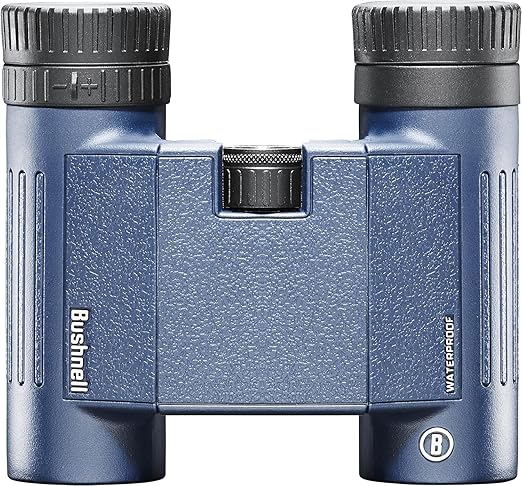
Lets you identify construction dates carved into cornices, read faded ghost signs on brick walls, and spot architectural details 8+ stories up without trespassing or neck strain
As an Amazon Associate I earn from qualifying purchases. Prices may change.
Step-by-Step Guide
Build your challenge tracking system
Create or download a logbook—physical or digital—with dedicated space for photos, timestamps, point tallies, and field notes. Date every single entry. This becomes your urban exploration resume.
💡 Pro Tips:
- • Log weather, time of day, and who you talked to—the metadata often matters more than the completion photo
- • Morning works best for architecture photography (clean light on brick before 9 AM); evenings reveal transit system stress points
Complete ten Tier 1 challenges
Start with 10-25 point missions: document five examples of one architectural element (fire escapes, cornices, ghost signs), photograph all Little Free Libraries in your zip code, or ride a bus line terminal-to-terminal noting every major cross street. Commit to one challenge per week minimum.
💡 Pro Tips:
- • Record details that aren't googleable—the guy who told you the corner store used to be a speakeasy, the faded paint you can barely read on a brick wall
Graduate to Tier 2 complexity
After ten Tier 1 completions, tackle 50-75 point challenges: time yourself crossing the city using only side streets, identify three different architectural eras within one block, or map every public water fountain in a two-mile radius. The difficulty jumps significantly.
Develop your urban specialty
Around challenge 15, notice what hooked you—architecture, transit systems, neighborhood oral histories. Double down. If Art Deco grabs you, hunt it across every district. If subway routing intrigues you, create the definitive off-peak guide nobody else bothered to map.
Unlock Tier 3 expert missions
After 25 total completions, attempt 100+ point challenges: secure access to normally-closed infrastructure (water towers, subway control rooms), document one neighborhood's six-month transformation with weekly photo sets, or interview ten locals who've lived there 40+ years. These require permits, patience, and persuasion.
💡 Pro Tips:
- • Building managers are more likely to grant rooftop or basement access if you show your completed logbook—proof you're serious, not just Instagram hunting
Design and share your own challenges
Once you've completed 30 library challenges, you'll instinctively know what's trivial versus genuinely difficult. Create custom challenges with your own point values. Share completed missions with timestamps and photo evidence in urban exploration communities to discover variations from other cities.
Gear Up for Your Quest
The gear that makes this quest work.
Pull it off

Waterproof Field Notes Bundle with Grid Paper
Grid paper lets you sketch architectural details and map layouts accurately; waterproof pages mean notes survive sudden downpours during multi-hour challenges without losing your documented proof
+ complete the kit — 3 more

Offline City Map App with Layer Customization
EssentialPopularMark discovered locations with categories, draw completion routes, and navigate during underground transit challenges where you lose signal—prevents rediscovering the same spots
Apps like OsmAnd or Maps.me that work without cell service and let you add custom pins, routes, and notes directly on the map

Captures full building facades from narrow streets where you can't step back far enough; essential for architectural documentation challenges where you're squeezed between structures
Attachable lens that expands your phone camera's field of view, fits in a pocket, no battery needed
Get on Amazon · $25.99 — Clip-On Wide-Angle Phone Lens (0.6x or wider)details & deals →
Compact Binoculars (8x25 or 10x25)
RecommendedLets you identify construction dates carved into cornices, read faded ghost signs on brick walls, and spot architectural details 8+ stories up without trespassing or neck strain
Pocket-sized magnification tool for reading architectural details, rooftop elements, and signage from ground level
Get on Amazon · $33.99 — Compact Binoculars (8x25 or 10x25)details & deals →RELATED GEAR GUIDE
Night Walk Safety Gear: Be Seen, Be Heard, See Everything
Field-tested picks · Urban Exploration
As an Amazon Associate, IRL Sidequests earns from qualifying purchases at no extra cost to you.
Prices and availability are subject to change. The price shown at checkout on Amazon at the time of purchase will apply.
Editor's Picks
Hand-selected quests our team thinks you'll love

Urban Food & Beverage Culture Quest
The best food in your city isn't on Yelp's front page—it's where rent is cheap and menus aren't in English.

Historical Walking Tour: Read Your City's Hidden Stories
Every sidewalk crack has a story—you just need to know where to look.

Architecture Scavenger Hunt: Decode Your City's Hidden Design Language
That building you pass every day? It's been screaming details at you that you've never noticed.