
Urban Adventure Skill Trees & Progression
Your city is the game board. Time to start earning real-world XP.
About This Quest
Build your urban exploration skills through structured progression systems. Track real-world XP from parkour to photography across five skill trees.
Most people wander cities aimlessly. You're about to turn your neighborhood into a progression system. This framework breaks urban exploration into five skill trees—Movement, Observation, Social, Creative, and Technical—each with specific challenges that build on each other. You're not collecting digital badges. You're developing actual capabilities: reading architecture, navigating by landmarks, talking to strangers, spotting urban wildlife, moving efficiently through crowds. The system works like this: start with Level 1 challenges in any tree. Complete three challenges to unlock Level 2. Document your progress however works for you—voice notes while walking, photos with timestamps, a simple spreadsheet. The key is consistency over intensity. Fifteen minutes of deliberate exploration beats an hour of mindless wandering. You'll notice the shift around week three, when you start seeing patterns other people miss: the lunch rush flow at that intersection, the architectural detail repeated across five blocks, the shortcut through the parking garage that saves four minutes. This isn't about becoming an expert in everything. Pick two trees that interest you most and go deep for a month. Movement and Observation pair well if you like physical exploration. Social and Creative work if you're more interested in the human layer. Technical and Observation match up for data-driven types. The trees cross-pollinate—your photography skills improve your observation skills, your social confidence makes movement challenges easier. By month three, you'll navigate your city with the fluency most people reserve for their own apartment.
Why This Quest Matters
By month three, you'll navigate your city with the fluency most people reserve for their own apartment. You're not collecting digital badges—you're developing actual capabilities that compound. The lunch rush flow at that intersection, the architectural detail repeated across five blocks, the parking garage shortcut that saves four minutes: you'll see what everyone else walks past.
What You'll Experience
- How to read architecture and spot urban patterns invisible to most people
- Navigation by landmarks and spatial memory instead of GPS dependence
- Efficient crowd movement and alternative route-finding skills
- When and how to approach strangers in urban environments
- Which of your aspirational interests are real versus which skills you actually enjoy developing
What You'll Need
Top gear to make this quest great.
Pull it off
Compact monocular or 8x zoom lens
Unlocks Level 2-3 Observation challenges that require identifying details on upper floors, reading cornerstone dates, or spotting architectural ornaments. A phone's digital zoom introduces too much noise. This gives you clean magnification for documenting patterns across buildings without the bulk of binoculars.
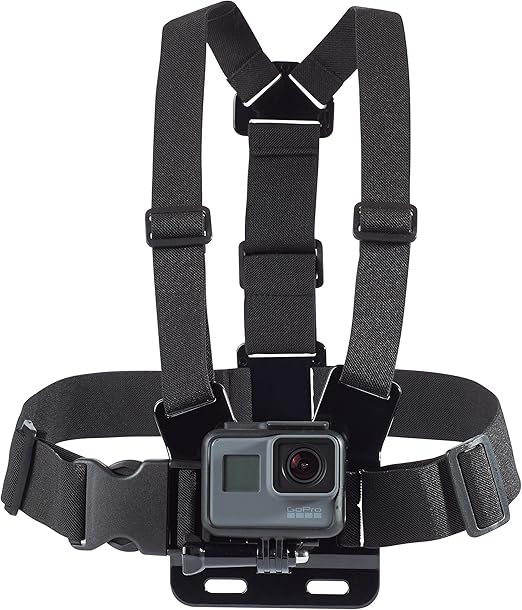
Documents your Movement skill progression without requiring you to hold a camera. Critical for parkour-style challenges, crowd navigation analysis, or reviewing your route efficiency. The chest angle captures what you actually see, unlike handheld footage that misses ground-level obstacles and spatial relationships.
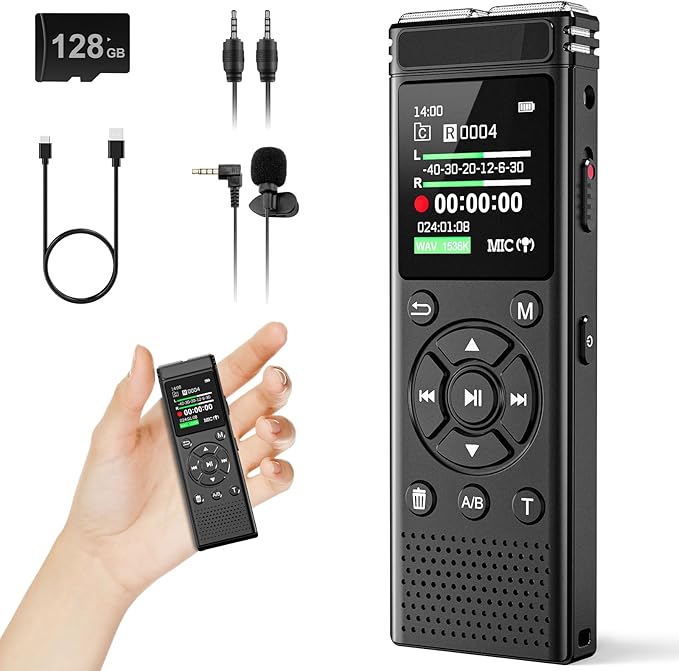
Captures ambient audio for Creative tree challenges and interview quality for Social interactions without fumbling with your phone. Essential for oral history projects, soundscape documentation, or recording your own observations while moving. The weatherproofing matters—rainy days offer unique acoustic environments most people miss.
As an Amazon Associate I earn from qualifying purchases. Prices may change.
Step-by-Step Guide
Pick your first skill tree
Choose one of five trees: Movement (physical navigation), Observation (urban details), Social (human connection), Creative (documentation), or Technical (tools/data). Consider starting with your weakest area instead of your comfort zone—the resistance tells you where the growth lives.
💡 Pro Tips:
- • Movement and Observation pair well for physical explorers; Social and Creative work for people-focused types
- • The trees cross-pollinate—your photography improves observation, social confidence makes movement easier
Build your tracking system
Create five sections in your phone's notes app, one per skill tree. Every entry needs date, location, challenge attempted, result, and one specific thing you learned. Skip the generic "it was fun" reflections—capture concrete observations like "vendor talks at 7AM but rushes past at 5PM."
💡 Pro Tips:
- • Voice notes while walking work better than trying to type on small screens
Complete three Level 1 challenges
Start with basic challenges in your chosen tree. Movement L1: navigate three blocks using only alleys. Observation L1: photograph ten architectural details in two blocks. Social L1: ask three strangers for directions to the same landmark. Creative L1: document one block using only audio. Technical L1: map your route using landmarks, no street names. Attempt challenges in different conditions—morning versus evening, weekday versus weekend, alone versus accompanied.
💡 Pro Tips:
- • Weather changes everything: rain reveals drainage patterns, snow shows traffic flow
- • That unlocked fire escape at noon might be secured by 8PM
Level up and branch out
After three completions, advance to Level 2 in your primary tree (don't skip ahead). Once you hit Level 3, add a second tree. This is where cross-training pays off—your Level 3 Movement skills make Level 1 Technical challenges easier, your Social confidence unlocks Creative opportunities most people can't access. Document every moment when one skill tree helps another.
💡 Pro Tips:
- • Reset difficulty weekly by changing neighborhoods—your Level 4 home skills might be Level 2 downtown
Run focused progression sessions
Schedule two dedicated 15-minute sessions per week, separate from commutes or errands. Bring only what your tree needs: Movement requires minimal gear, Observation benefits from a camera, Social works better without obvious recording tools. Fifteen focused minutes beats an hour of distracted wandering.
💡 Pro Tips:
- • The shift happens around week three when you start seeing patterns others miss
Review and adjust monthly
Check your tracking log after four weeks. Which skills advanced fastest? Where did you plateau? Which challenges did you avoid? The pattern reveals your actual interests versus aspirational ones. If you've completed twelve Observation challenges but only two Movement attempts, trust the data and double down on what you're actually doing.
Gear Up for Your Quest
The gear that makes this quest work.
Pull it off

Compact monocular or 8x zoom lens
Unlocks Level 2-3 Observation challenges that require identifying details on upper floors, reading cornerstone dates, or spotting architectural ornaments. A phone's digital zoom introduces too much noise. This gives you clean magnification for documenting patterns across buildings without the bulk of binoculars.
+ complete the kit — 3 more

Habit tracking app with custom metrics
RecommendedGamifies your progression with visual skill trees, XP tracking, and streak maintenance. Seeing your Level 3 Movement badge or 30-day Observation streak provides tangible motivation that generic notes lack. The visual progression map helps identify skill gaps and plan next challenges.
Apps like Habitica, Streaks, or custom Notion templates that allow skill tree visualization and progress tracking

Documents your Movement skill progression without requiring you to hold a camera. Critical for parkour-style challenges, crowd navigation analysis, or reviewing your route efficiency. The chest angle captures what you actually see, unlike handheld footage that misses ground-level obstacles and spatial relationships.
Hands-free mounting system for phone or action camera that keeps device stable during Movement challenges
Get on Amazon · $19.99 — Action camera chest mount or clipdetails & deals →
Captures ambient audio for Creative tree challenges and interview quality for Social interactions without fumbling with your phone. Essential for oral history projects, soundscape documentation, or recording your own observations while moving. The weatherproofing matters—rainy days offer unique acoustic environments most people miss.
Dedicated audio recording device or smartphone-compatible microphone for Creative and Social documentation
Get on Amazon · $41.39 — Weatherproof voice recorder or lapel micdetails & deals →RELATED GEAR GUIDE
Night Walk Safety Gear: Be Seen, Be Heard, See Everything
Field-tested picks · Urban Exploration
As an Amazon Associate, IRL Sidequests earns from qualifying purchases at no extra cost to you.
Prices and availability are subject to change. The price shown at checkout on Amazon at the time of purchase will apply.
Editor's Picks
Hand-selected quests our team thinks you'll love

Urban Food & Beverage Culture Quest
The best food in your city isn't on Yelp's front page—it's where rent is cheap and menus aren't in English.

Historical Walking Tour: Read Your City's Hidden Stories
Every sidewalk crack has a story—you just need to know where to look.

Architecture Scavenger Hunt: Decode Your City's Hidden Design Language
That building you pass every day? It's been screaming details at you that you've never noticed.