
Urban Adventure Skills Academy
Learn what your phone can't teach you when the battery dies at midnight.
About This Quest
Train in navigation, first aid, urban foraging, and emergency preparedness through hands-on city challenges. Build real-world competence in 8 hours.
Most people walk through cities on autopilot, dependent on GPS and unaware of their surroundings. This skills academy breaks that pattern. You'll rotate through four distinct urban environments—downtown financial district, residential neighborhoods, industrial zones, and transit hubs—learning techniques that matter when technology fails or situations demand immediate action. The training focuses on observation over gadgets. In week one, you'll practice map-and-compass navigation while your phone stays in your bag, learning to read street patterns and use architectural landmarks. Week two covers urban foraging fundamentals: identifying edible plants in parks, recognizing municipal fruit trees, understanding seasonal availability. You'll walk away knowing which sidewalk weeds are actually nutritious and which ornamental berries to avoid. Weeks three and four build crisis competence. You'll learn pressure-point first aid techniques using everyday items, practice de-escalation communication in simulated confrontations, and run through emergency scenarios like finding shelter during extreme weather or helping an injured stranger when help is 20 minutes away. The goal isn't paranoia—it's capability. By the end, you'll move through cities differently, noticing details others miss and trusting your ability to handle whatever comes.
Why This Quest Matters
When your phone dies or networks fail, you'll still navigate, find resources, and handle emergencies with confidence. This training transforms you from a passive city user into someone who reads urban environments like a second language. The payoff isn't just crisis preparedness—it's the daily satisfaction of moving through streets with awareness instead of autopilot.
What You'll Experience
- Navigate urban areas using only maps, landmarks, and environmental cues
- Identify edible plants and map public food sources in your city
- Perform emergency first aid with improvised materials
- Find shelter and stay safe during equipment failure or extreme weather
- Read situational cues and maintain awareness in any public space
What You'll Need
Top gear to make this quest great.
Pull it off
Silva Ranger 515 Compass with Declination Adjustment
Essential for learning true navigation skills independent of GPS. The declination adjustment accounts for the difference between magnetic and true north in your region, making your navigation accurate. The mirror allows you to take precise bearings on distant landmarks while keeping the compass level.
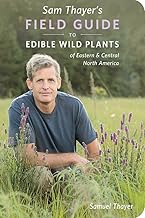
Smartphone apps fail when batteries die or you're in areas without service. A physical guide with side-by-side comparisons of edible and poisonous look-alikes is critical for safe foraging. The waterproof pages survive rain and repeated field use.
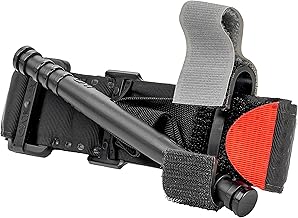
In severe bleeding emergencies, improvised tourniquets often fail. This proven design can be applied single-handedly in under 30 seconds and has saved thousands of lives in combat and civilian trauma. Carrying one means you're prepared for worst-case scenarios.
As an Amazon Associate I earn from qualifying purchases. Prices may change.
Step-by-Step Guide
Master analog navigation fundamentals
Print a physical map and explore a neighborhood 3 miles away you've never visited, marking landmarks every 3 blocks. Practice finding north using sun position, satellite dishes, and moss patterns on walls. At a major downtown intersection, position yourself at all four corners, sketching traffic patterns and visual anchors that would tell you exactly where you are if dropped there blindfolded.
💡 Pro Tips:
- • Evening rush hour provides the most dynamic traffic patterns to study
- • Satellite dishes in the Northern Hemisphere point south-southeast
Build your urban foraging inventory
Visit three different parks and photograph 10 plant species at each, focusing on common edibles like dandelion, plantain, chickweed, and wood sorrel. Cross-reference with two published guides before eating anything. Create a digital map of public fruit trees, berry bushes, and nut trees within 2 miles of home, marking species and harvest dates.
💡 Pro Tips:
- • Use PlantNet to identify plants, but always verify with printed field guides
- • Many cities have 'fallen fruit' programs marking harvestable public trees
Practice improvised emergency response
Partner with someone for hands-on first aid practice: tourniquets from belts, wound pressure with t-shirts, splints from rolled newspapers. Role-play three crisis communication scenarios—de-escalating an aggressive person, helping a lost child, reporting an emergency with precise location details. Focus on calm tone and non-threatening body language.
💡 Pro Tips:
- • CPR compression rhythm matches the beat of 'Stayin' Alive' (100-120 BPM)
Map shelter and test weather resilience
During a 2-hour walk, identify 5 emergency shelter locations: 24-hour businesses, public lobbies, transit stations, covered parking. Note hours and accessibility. On a rainy day, go out with minimal protection and practice staying dry using overhangs, underground passages, and transit connections. Time how long you stay comfortable, then repeat with proper gear to feel the confidence difference.
💡 Pro Tips:
- • Test one shelter by entering, observing staff, and locating exits
- • Underground transit passages often connect multiple city blocks
Sharpen nighttime awareness skills
After dark with a companion, navigate a familiar 1-mile route without phone light, using only streetlights and storefronts for orientation. In a busy public space, practice situational awareness drills: every 5 minutes, close your eyes and mentally catalog people, exits, unusual sounds. Open and verify until you're 70% accurate. Assemble a pocket survival kit in an Altoids tin with cash, mini flashlight, bandages, paracord, and matches.
💡 Pro Tips:
- • Confident posture at night deters unwanted attention more than nervous scanning
- • Keep your urban survival tin in your daily bag, not stored at home
Execute a phone-free urban expedition
Plan a 4-hour journey to an unfamiliar neighborhood without using your phone for navigation, communication, or information. Navigate using landmarks and printed maps, forage one edible item, identify three emergency shelters, and document everything with paper and pencil. This final integration proves you can move through the city with competence when technology fails.
💡 Pro Tips:
- • Choose a neighborhood with distinct architectural features for easier landmark navigation
Gear Up for Your Quest
The gear that makes this quest work.
Pull it off

Silva Ranger 515 Compass with Declination Adjustment
Essential for learning true navigation skills independent of GPS. The declination adjustment accounts for the difference between magnetic and true north in your region, making your navigation accurate. The mirror allows you to take precise bearings on distant landmarks while keeping the compass level.
+ complete the kit — 4 more

Smartphone apps fail when batteries die or you're in areas without service. A physical guide with side-by-side comparisons of edible and poisonous look-alikes is critical for safe foraging. The waterproof pages survive rain and repeated field use.
Waterproof pocket guide specific to your bioregion with clear photos and toxic plant warnings
Get on Amazon · $28.05 — Foraging Field Guide (Regional Edition)details & deals →
In severe bleeding emergencies, improvised tourniquets often fail. This proven design can be applied single-handedly in under 30 seconds and has saved thousands of lives in combat and civilian trauma. Carrying one means you're prepared for worst-case scenarios.
Military-grade medical tourniquet with windlass system for one-handed application
Get on Amazon · $35.95 — CAT Tourniquet (Combat Application Tourniquet)details & deals →
Rite in the Rain All-Weather Field Notebook
RecommendedWhen training yourself to observe without digital crutches, this notebook captures observations in any weather. The paper accepts pencil, pen, and even crayon when wet. Your navigation sketches and foraging notes remain legible after downpours.
Waterproof paper notebook that works in rain, humidity, and extreme temperatures
Get on Amazon · $29.85 — Rite in the Rain All-Weather Field Notebookdetails & deals →
Streamlight Nano Light Keychain Flashlight
RecommendedSmall enough to keep on your keychain constantly, this provides reliable light for night navigation, first aid in dark spaces, or signaling in emergencies. Unlike phone flashlights, it won't drain your communication device and works after your phone is dead.
Ultra-compact LED flashlight with 10-hour battery life and waterproof construction
Get on Amazon · $17.94 — Streamlight Nano Light Keychain Flashlightdetails & deals →RELATED GEAR GUIDE
Gamify Your Life Kit: 6 Picks to Turn Days Into Quests
Field-tested picks · Personal Growth
As an Amazon Associate, IRL Sidequests earns from qualifying purchases at no extra cost to you.
Prices and availability are subject to change. The price shown at checkout on Amazon at the time of purchase will apply.
Editor's Picks
Hand-selected quests our team thinks you'll love

Random Side Quest Generator: Complete Guide to Spontaneous Adventures
Turn decision paralysis into roll-the-dice action.

Desk Reset Rituals for Screen Workers
Your screen blur isn't age—it's ritual deficit.

Build Your Domestic Confidence Toolkit
The difference between panicking when something breaks and calmly handling it yourself.