
Urban Adventure Starter Kit Hub
The difference between a walk and an adventure is what you bring.
About This Quest
Curated gear guide for urban adventurers. Learn what specialty equipment actually improves city exploration, from navigation tools to documentation gear.
You don't need much to start exploring your city differently, but the right tools change everything. This isn't about carrying more—it's about carrying smarter. After hundreds of hours navigating alleys, rooftops, and forgotten corners across a dozen cities, certain items prove their worth repeatedly. Most "adventure kit" lists pad themselves with obvious items you already own. This guide cuts straight to specialty gear that actually enhances urban exploration—tools that help you see details others miss, access spaces safely, document discoveries, and extend your range. These aren't luxury items; they're force multipliers that turn a neighborhood walk into legitimate discovery. The kits scale by budget and commitment level. Start minimal with just one or two items, or build a complete setup. Every recommendation here solves a specific problem you'll encounter: insufficient light in tunnels, dead phone batteries miles from home, inability to photograph through chain-link fences, or missing architectural details 30 feet overhead. Urban exploration rewards preparation, but only the kind that fits in your pockets.
Why This Quest Matters
The right three items transform routine walks into genuine discovery missions where you can photograph spaces others can't frame, read historical markers they can't see, and keep exploring after their phones die. You're not carrying more gear—you're carrying the specific tools that unlock the 70% of your city that exists after dark, above eye level, or beyond the tourist grid.
What You'll Experience
- Which gear categories match your exploration style versus what looks cool but stays unused
- How to access and document urban spaces that hide their best features in shadows or at elevation
- The practical limits of your equipment through real field testing before critical moments
- How to maintain mobility while staying prepared for unexpected discoveries
- Where cellular and navigation tools fail in your city and how to work offline
What You'll Need
Top gear to make this quest great.
Pull it off
Compact Tactical Flashlight (1000+ lumens, rechargeable)
Reveals architectural details in shadow, illuminates tunnels/basements/stairwells, signals for safety, and extends exploration into dusk/night hours when cities show different character
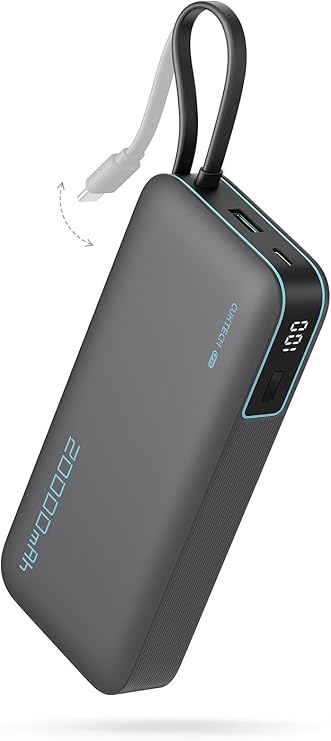
Eliminates range anxiety, powers phone GPS through 8+ hour sessions, charges camera batteries in field, and enables extended documentation without rushing back for outlets
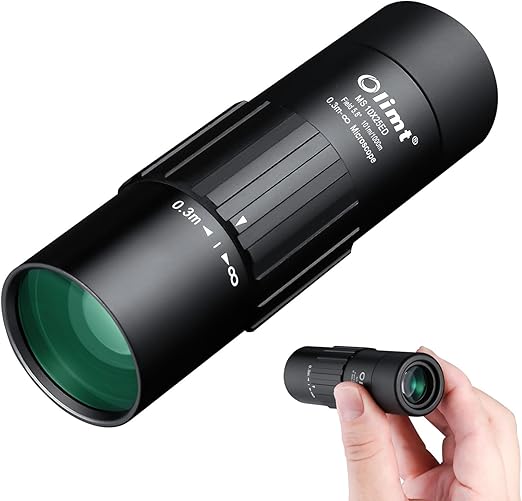
Reads building inscriptions from street level, identifies rooftop details and access points, spots historical markers obscured by trees, and appreciates ornamental work without climbing
As an Amazon Associate I earn from qualifying purchases. Prices may change.
Step-by-Step Guide
Match gear to your exploration focus
Identify whether you chase photography opportunities, architectural details, historical research, or pure discovery. Your primary interest determines which tool category you'll actually use versus what collects dust in your bag.
💡 Pro Tips:
- • Photography-focused explorers should prioritize lenses and lighting, while history hunters need magnification and offline documentation
- • Start with one category—lighting, power, or optics—and use it for a full month before adding more
Equip tactical lighting for hidden spaces
Get a compact tactical flashlight with multiple modes including strobe, red light, and flood beam. Shadows hide the most interesting urban features—loading docks, tunnel entries, basement windows, and architectural details that disappear in daylight.
💡 Pro Tips:
- • Test runtime on each setting before your first serious expedition; most claims are optimistic
- • Red light mode preserves night vision when checking maps or notes
Add extended power for long sessions
Carry a 20,000mAh power bank with multiple ports and fast charging. City exploration sessions stretch 8-10 hours when you're following leads, and dead batteries cut discoveries short.
💡 Pro Tips:
- • Charge the power bank itself fully the night before; don't trust the indicator lights
Install magnification for vertical details
Carry a compact monocular (8x25 or 10x25) to read building dates, spot rooftop access points, identify historical markers, and appreciate ornamental work from street level. Architectural research happens in three dimensions.
💡 Pro Tips:
- • Practice steadying your hand against walls or poles for clearer views at high magnification
Build your digital base layer
Download offline maps for your entire city through Google Maps or Maps.me. Screenshot interesting locations from historical forums, atlas archives, and urbex communities. Industrial areas and basements often have zero cellular signal.
💡 Pro Tips:
- • Organize screenshots in labeled folders by neighborhood before heading out
- • Save addresses as text notes, not just pins—easier to reference when your screen is glare-washed
Organize gear for quick access
Use a small messenger bag or sling pack with external pockets to keep tools accessible while maintaining mobility. Fumbling for your flashlight while standing in a dark loading dock kills momentum. If you haven't touched an item within your first exploration hour, leave it home next time.
Gear Up for Your Quest
The gear that makes this quest work.
Pull it off

Compact Tactical Flashlight (1000+ lumens, rechargeable)
Reveals architectural details in shadow, illuminates tunnels/basements/stairwells, signals for safety, and extends exploration into dusk/night hours when cities show different character
+ complete the kit — 4 more

Eliminates range anxiety, powers phone GPS through 8+ hour sessions, charges camera batteries in field, and enables extended documentation without rushing back for outlets
Dual or triple-port battery pack with fast charging and digital display showing remaining capacity
Get on Amazon · $29.99 — High-Capacity Power Bank (20,000mAh minimum)details & deals →
Offline Maps App with Historical Overlays
EssentialFunctions in cellular dead zones common to industrial areas, shows historical street layouts revealing hidden passages, and enables location-based discovery without data drain
Maps.me or similar app with downloaded regional data plus historical map overlay apps like Old Maps Online

Compact Monocular (8x25 or 10x25)
RecommendedReads building inscriptions from street level, identifies rooftop details and access points, spots historical markers obscured by trees, and appreciates ornamental work without climbing
Pocket-sized single-lens telescope with rubber coating and wrist strap
Get on Amazon · $69.99 — Compact Monocular (8x25 or 10x25)details & deals →
Captures full building facades in tight streets, photographs entire alley compositions, documents cramped interior spaces, and eliminates the need for backing up into traffic
Glass optics lens attachment with universal clip for smartphones
Get on Amazon · $25.99 — Wide-Angle Clip-On Phone Lens (0.6x or wider)details & deals →RELATED GEAR GUIDE
Night Walk Safety Gear: Be Seen, Be Heard, See Everything
Field-tested picks · Urban Exploration
As an Amazon Associate, IRL Sidequests earns from qualifying purchases at no extra cost to you.
Prices and availability are subject to change. The price shown at checkout on Amazon at the time of purchase will apply.
Editor's Picks
Hand-selected quests our team thinks you'll love

Urban Food & Beverage Culture Quest
The best food in your city isn't on Yelp's front page—it's where rent is cheap and menus aren't in English.

Historical Walking Tour: Read Your City's Hidden Stories
Every sidewalk crack has a story—you just need to know where to look.

Architecture Scavenger Hunt: Decode Your City's Hidden Design Language
That building you pass every day? It's been screaming details at you that you've never noticed.