
Urban Foraging: Edible City Plants Walk
Your city sidewalks grow more free food than most people realize.
About This Quest
Discover edible plants growing in urban spaces. Learn to identify dandelions, clover, plantain, and wood sorrel on city streets, parks, and vacant lots.
Most people walk past edible plants every day without noticing. Dandelion leaves push through sidewalk cracks. Clover blankets park edges. Plantain grows where grass won't. These aren't just weeds—they're nutrient-dense wild foods that have fed humans for thousands of years, now thriving in urban environments where pesticides aren't sprayed. This quest teaches you to identify eight common edible plants in city spaces, where to legally harvest them, and how to avoid contaminated areas. You'll learn the difference between dandelion and similar-looking cat's ear, why plantain leaves work as natural band-aids, and which parts of each plant taste best. The goal isn't to survive off foraged greens—it's to shift how you see your city. Once you learn to identify these plants, every walk becomes different. That patch of 'weeds' behind the coffee shop? That's lunch. The vacant lot you pass daily? That's a salad bar. Start in late April when spring greens are tender, or early fall for a second growth flush. Bring a field guide, harvest scissors, and a cloth bag. You'll cover 2-3 miles walking slowly, crouching often, and probably getting strange looks from people who don't know what you're doing.
Why This Quest Matters
Once you learn these eight plants, every city walk reveals a hidden layer—suddenly that weedy lot is a salad bar and sidewalk cracks sprout lunch. You'll never see urban 'waste' spaces the same way. The strange looks from passersby are just confirmation that you've learned something most people walk past daily without noticing.
What You'll Experience
- How to positively identify eight common edible city plants
- Which urban areas are safe to forage and which to avoid
- The difference between dandelion and lookalikes that could make you sick
- How to harvest plants so they regrow for future foraging
- Why that 'weed' behind the coffee shop is more nutritious than grocery store greens
What You'll Need
Top gear to make this quest great.
Pull it off
Folding Foraging Scissors with Sheath
Makes clean cuts that don't damage plant crowns, allowing regrowth. Folds safely for urban carrying. Regular scissors tear stems and dull quickly on fibrous plants like plantain.
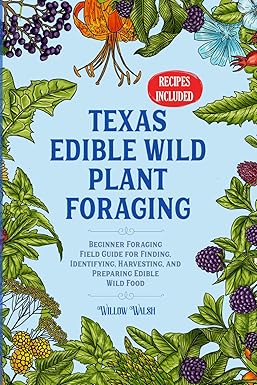
Phone apps fail without signal or when batteries die. Physical guides show plant variations across seasons and include critical look-alike warnings. Waterproof pages survive morning dew and sudden rain.

Plastic bags make greens sweat and wilt within 30 minutes. Mesh panels allow air circulation. Interior dividers prevent cross-contamination between species before you've verified each ID.
As an Amazon Associate I earn from qualifying purchases. Prices may change.
Step-by-Step Guide
Prep your plant ID kit
Install PlantNet or Picture This on your phone and load reference photos for your eight target plants: dandelion, broadleaf plantain, wood sorrel, purslane, chickweed, clover, garlic mustard, and lamb's quarters. Scout your route the day before—parks, unmowed residential edges, and vacant lots work best. Mark spots where you see dandelion rosettes or plantain; other edibles cluster nearby.
💡 Pro Tips:
- • Avoid areas within 50 feet of busy roads (lead contamination) and obviously sprayed lawns
- • Community gardens often have edible weeds—just ask permission first
Start with the easy identifications
Begin mid-morning after dew dries. Find dandelion first—deeply toothed leaves in a rosette, hollow stems with white sap. Cut young leaves 2 inches above the crown before flowers appear for less bitterness. Move to broadleaf plantain next—parallel veins running lengthwise, stringy fibers when torn. Harvest outer leaves and chew one; the slight bitterness and mucilaginous texture are correct.
💡 Pro Tips:
- • Plantain leaves stop minor bleeding and draw out splinters—natural first aid in your path
Hunt shade and sun extremes
Search tree bases and shaded spots for wood sorrel—clover-like leaves that fold at night, sharp lemony taste from oxalic acid. In full sun and disturbed soil, find purslane's succulent red stems and paddle-shaped leaves growing flat; it tastes salty-crunchy and packs more omega-3s than any land plant. Take only top stems and never more than 10% from any patch.
💡 Pro Tips:
- • Wood sorrel's sour punch works as a salad accent—don't eat handfuls
Identify the tricky ones by texture
Chickweed hides in moist shade—look for the single line of hairs up the stem and tiny star-shaped white flowers. White and red clover grow in lawn edges; flowers are sweet and fully edible. For garlic mustard, crush a leaf—that garlic smell is your confirmation. Heart-shaped toothed leaves and small white flowers seal the ID. It's invasive, so harvest aggressively.
Clean and taste-test your haul
Keep harvests separated in your cloth bag. At home, soak all greens in cold water for 10 minutes, then rinse three times. Try a small amount of each plant first—even edible species can cause individual reactions. Use everything within two days while it's still crisp.
💡 Pro Tips:
- • Your first taste-test is a safety check, not dinner—wait a few hours before eating more
Map your urban food system
Log each find in a foraging journal: location, plant abundance, growth stage, taste notes. Certain spots produce reliably year after year. Mark contaminated areas to skip. Return to productive patches every 3-4 weeks during growing season—plants regrow if you harvest correctly.
Gear Up for Your Quest
The gear that makes this quest work.
Pull it off

Folding Foraging Scissors with Sheath
Makes clean cuts that don't damage plant crowns, allowing regrowth. Folds safely for urban carrying. Regular scissors tear stems and dull quickly on fibrous plants like plantain.
+ complete the kit — 4 more

Phone apps fail without signal or when batteries die. Physical guides show plant variations across seasons and include critical look-alike warnings. Waterproof pages survive morning dew and sudden rain.
Spiral-bound, pocket-sized field guide specific to your region with waterproof pages and photos of look-alike plants
Get on Amazon · $16.45 — Regional Wild Edibles Field Guide (Waterproof Edition)details & deals →
Plastic bags make greens sweat and wilt within 30 minutes. Mesh panels allow air circulation. Interior dividers prevent cross-contamination between species before you've verified each ID.
Lightweight shoulder bag with mesh ventilation panel and multiple interior pockets for separating plant species
Get on Amazon · $18.99 — Canvas Foraging Bag with Breathable Mesh Paneldetails & deals →
10x Magnification Jeweler's Loupe
RecommendedCritical plant ID features are tiny—the single line of hairs on chickweed stems, the parallel veins in plantain leaves. Phone cameras don't capture these details clearly enough when you're deciding if something's safe to eat.
Pocket-sized magnifying lens for examining leaf veins, stem hairs, and flower structures
Get on Amazon · $13.95 — 10x Magnification Jeweler's Loupedetails & deals →
PlantNet Mobile App
RecommendedInstant verification of plant IDs in the field. Take photos from multiple angles for 85%+ accuracy. Community validation feature lets experienced foragers confirm or correct identifications. Works offline after downloading regional databases.
Free plant identification app using AI image recognition, with global database of wild and cultivated species
RELATED GEAR GUIDE
Night Walk Safety Gear: Be Seen, Be Heard, See Everything
Field-tested picks · Urban Exploration
As an Amazon Associate, IRL Sidequests earns from qualifying purchases at no extra cost to you.
Prices and availability are subject to change. The price shown at checkout on Amazon at the time of purchase will apply.
Editor's Picks
Hand-selected quests our team thinks you'll love

Urban Food & Beverage Culture Quest
The best food in your city isn't on Yelp's front page—it's where rent is cheap and menus aren't in English.

Historical Walking Tour: Read Your City's Hidden Stories
Every sidewalk crack has a story—you just need to know where to look.

Architecture Scavenger Hunt: Decode Your City's Hidden Design Language
That building you pass every day? It's been screaming details at you that you've never noticed.