
Urban Gaming & Gamification: Turn Your City Into a Live Action RPG
Your city just became your game board, and every corner holds a potential power-up.
About This Quest
Transform city streets into gaming zones using AR apps, geocaching, and street-level challenges. Hunt objectives, earn points, and unlock real locations.
Urban gaming layers digital objectives onto physical spaces. You're navigating actual streets, but with mission parameters: collect checkpoints at five historic markers within 90 minutes, photograph specific architectural details for points, or solve QR-coded puzzles hidden in murals. The phone becomes your HUD, showing objectives and nearby players, but your legs do the work. You'll sweat, you'll backtrack when you miss a turn, and you'll notice details you've walked past a hundred times—that gargoyle at eye level, the tile pattern in the subway entrance, the way afternoon shadows create natural waypoint markers. The mechanics borrow from video games but demand real-world problem-solving. A "boss battle" might mean finding a specific food truck and ordering using only emoji clues. "Resource gathering" translates to photographing ten different types of street art within a neighborhood boundary. Time-based challenges force route optimization—do you sprint three blocks for a high-value checkpoint or grab three lower-value ones nearby? Weather affects strategy: rain makes phone screens finicky, but also drives other players indoors, reducing competition. Night mode completely changes available objectives. The best urban game routes sit in the tension between familiar and unexplored. You want areas dense enough for quick objective completion but complex enough that you can't autopilot. Mixed-use neighborhoods work better than pure commercial strips—more visual variety, more hiding spots for geocaches, more architectural detail to serve as reference points. I've watched players develop favorite circuits, learning which alleys shortcut between main drags, which businesses have public WiFi for checkpoint uploads, where to refill water without breaking flow.
Why This Quest Matters
You'll rediscover your city through a lens that makes invisible details suddenly matter—the gargoyle at eye level, the tile pattern in the subway entrance, the alley that shortcuts three blocks. The phone provides objectives, but your body solves spatial puzzles in real time, turning autopilot routes into tactical decisions where weather, crowds, and timing all shift your strategy.
What You'll Experience
- Route optimization skills under time pressure
- Which neighborhoods reward exploration versus efficiency
- Hidden architectural details and shortcuts you've walked past hundreds of times
- Your actual walking speed and endurance limits
- How weather and time of day completely transform objective availability
What You'll Need
Top gear to make this quest great.
Pull it off
External Battery Pack (20,000mAh+)
Gaming apps drain batteries in 90-120 minutes. A 20,000mAh pack provides 3-4 full phone charges, enabling 6+ hour sessions without hunting for outlets. Essential for maintaining AR functionality and GPS tracking throughout extended urban runs.
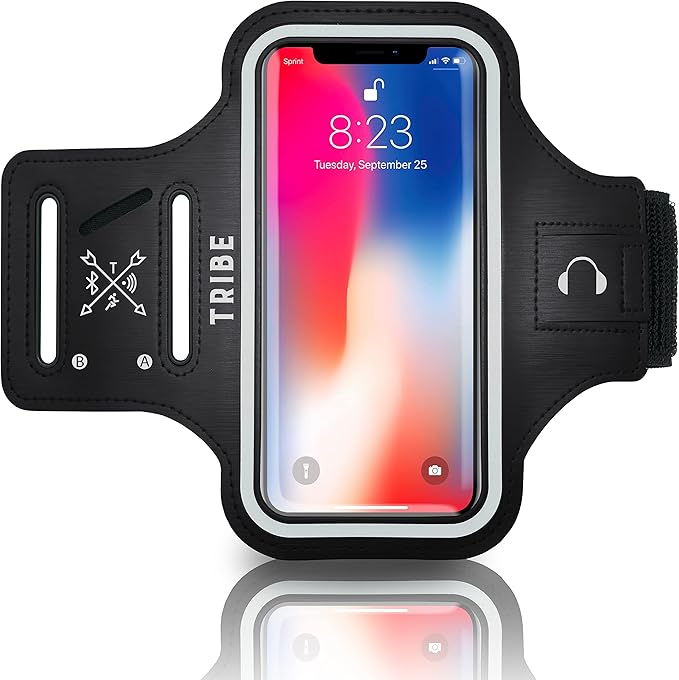
Keeps phone accessible for constant AR scanning while freeing both hands for climbing, photographing objectives, or handling geocache containers. The card pocket eliminates need for a separate wallet. Reduces fumbling time by 60% compared to pocket storage during rapid checkpoint sequences.
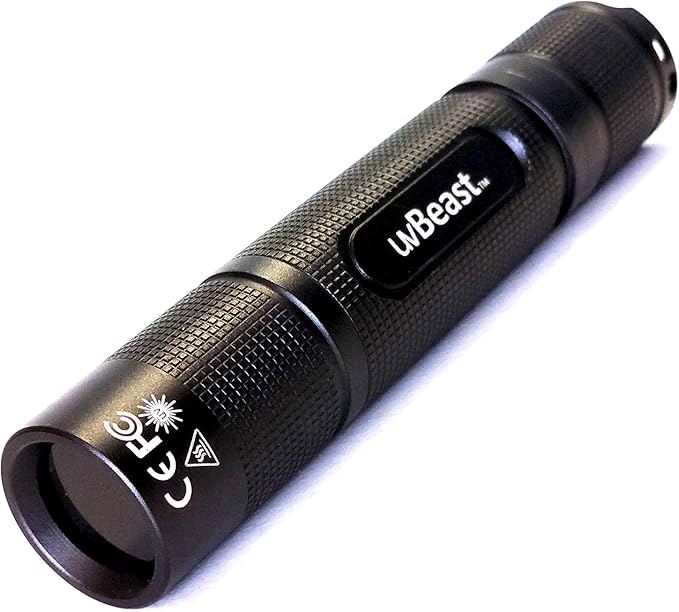
Many advanced geocaches and urban game challenges use UV-reactive ink for hidden clues or bonus codes. Reveals markings invisible in daylight. Weighs under an ounce but unlocks entire puzzle categories. Game-changer for night missions when combined with blacklight-marked waypoints.
As an Amazon Associate I earn from qualifying purchases. Prices may change.
Step-by-Step Guide
Install your gaming app and recon
Download your chosen platform—Pokémon GO, Geocaching, Ingress, Randonautica, or Actionbound. Spend 20 minutes learning the interface and checking which nearby zones show high objective density. Then scout your starting area on foot without playing: identify three landmarks as mental anchors, locate public restrooms, and test cell signal strength at key intersections.
💡 Pro Tips:
- • This 15-minute pre-walk prevents mid-game navigation failures and dead-phone panic
- • Screenshot the map of high-density zones before you head out
Set your boundaries and win condition
Define a 1-mile radius around a central point for your first session. Establish a clear goal: collect 10 objectives, earn 500 points, or visit 5 specific locations. Time-box it to 90-120 minutes maximum.
💡 Pro Tips:
- • Starting small prevents burnout and lets you learn your actual pace
Start at a gathering point, move methodically
Begin at a natural hub—fountain, plaza, or transit station—where objectives typically concentrate. Move in expanding spirals rather than random darting, covering territory block by block. Log each objective with a quick photo and timestamp to document high-yield spots and identify inaccessible dead zones like construction sites or highway underpasses.
Monitor resources and adjust mid-session
Halfway through, check your phone battery, water supply, and physical energy. Dial back your pace or objectives if you're burning out. When you encounter other players at the same objective, exchange one useful tip about bugged objectives, new spawns, or optimal timing.
💡 Pro Tips:
- • Better to complete 70% efficiently than collapse during an overambitious route
Map your route and optimize
After finishing, digitally map your circuit. Mark high-value zones, dead zones, and optimal pathways. Calculate your time-per-objective to establish your baseline efficiency. This data transforms scattered wandering into strategic future runs.
Rotate game types and expand territory
Weekly, switch between pure collection runs, speed challenges, team competitions, and night mode variants. Each reveals different details of your urban environment and prevents repetitive-motion injuries. Every fifth session, extend your boundary or shift to a completely new neighborhood to keep the exploration element alive.
Gear Up for Your Quest
The gear that makes this quest work.
Pull it off

External Battery Pack (20,000mAh+)
Gaming apps drain batteries in 90-120 minutes. A 20,000mAh pack provides 3-4 full phone charges, enabling 6+ hour sessions without hunting for outlets. Essential for maintaining AR functionality and GPS tracking throughout extended urban runs.
+ complete the kit — 3 more

Keeps phone accessible for constant AR scanning while freeing both hands for climbing, photographing objectives, or handling geocache containers. The card pocket eliminates need for a separate wallet. Reduces fumbling time by 60% compared to pocket storage during rapid checkpoint sequences.
Adjustable athletic armband that secures phone at forearm with accessible screen and small storage pocket for ID/cards
Get on Amazon · $14.98 — Armband Phone Mount with Card Pocketdetails & deals →
UV Keychain Flashlight
RecommendedMany advanced geocaches and urban game challenges use UV-reactive ink for hidden clues or bonus codes. Reveals markings invisible in daylight. Weighs under an ounce but unlocks entire puzzle categories. Game-changer for night missions when combined with blacklight-marked waypoints.
Compact 395nm UV LED flashlight for revealing invisible ink markings and geocache signatures
Get on Amazon · $39.99 — UV Keychain Flashlightdetails & deals →
Microfiber Lens Cloth (3-pack)
RecommendedFingerprints and pocket lint degrade AR tracking accuracy and checkpoint photo quality. Clean lens = better image recognition for scan-based objectives. Screen smudges slow navigation. Keep one in each pocket and one as backup. Prevents failed objective submissions due to blurry proof photos.
Compact cleaning cloths for phone camera lens and screen maintenance
Get on Amazon · $9.98 — Microfiber Lens Cloth (3-pack)details & deals →RELATED GEAR GUIDE
Night Walk Safety Gear: Be Seen, Be Heard, See Everything
Field-tested picks · Urban Exploration
As an Amazon Associate, IRL Sidequests earns from qualifying purchases at no extra cost to you.
Prices and availability are subject to change. The price shown at checkout on Amazon at the time of purchase will apply.
Editor's Picks
Hand-selected quests our team thinks you'll love

Urban Food & Beverage Culture Quest
The best food in your city isn't on Yelp's front page—it's where rent is cheap and menus aren't in English.

Historical Walking Tour: Read Your City's Hidden Stories
Every sidewalk crack has a story—you just need to know where to look.

Architecture Scavenger Hunt: Decode Your City's Hidden Design Language
That building you pass every day? It's been screaming details at you that you've never noticed.