
Urban Micro-Adventures Hub
Your city has more secrets than you think—you just need to know where to look.
About This Quest
Turn your city into an adventure playground with micro-quests that take under 2 hours. Find hidden murals, decode architectural secrets, and map forgotten pathways in your own neighborhood.
Most people walk the same six blocks their entire lives. Same coffee shop route. Same commute. Same weekend loop. But every city block holds layers—architecture from three different eras, utility access points that reveal underground systems, fire escapes that create vertical mazes, alleyways with decade-old graffiti palimpsests. Urban micro-adventures are deliberate excursions that last under two hours and focus on one specific exploration goal. You're not just walking—you're hunting for pre-1950 cornerstone dates, following electrical conduit paths to find substations, or photographing every door color on a single block to map gentrification patterns. I've spent mornings tracking the shadow lines of buildings to understand solar access, and afternoons following the remnants of old trolley tracks embedded in asphalt. The best micro-adventures happen when you pick one lens—architectural details, infrastructure, nature reclaiming space, historical markers—and follow it obsessively for 90 minutes. You'll start seeing your neighborhood as a living archive instead of scenery you scroll past on the way to somewhere else.
Why This Quest Matters
You've walked these blocks a hundred times and seen nothing. But with one focused lens and 90 minutes of deliberate attention, your neighborhood transforms from scenery into a living archive. You'll never scroll past it the same way again—you'll see the layers, the machine underneath, the century of stories written in brick and metal.
What You'll Experience
- How to read architectural details that reveal building ages and renovation histories
- Where your city's infrastructure lives—substations, water systems, hidden utility networks
- Navigation techniques that break autopilot and force genuine observation
- How light and time of day completely transform familiar spaces
- A documentation system that turns random observations into searchable knowledge
What You'll Need
Top gear to make this quest great.
Pull it off
Macro Lens Clip for Smartphone
Captures details invisible to naked eye—moss patterns on brick, weathering textures, casting marks on metal fixtures, and insect activity in sidewalk cracks. Transforms routine documentation into forensic observation.
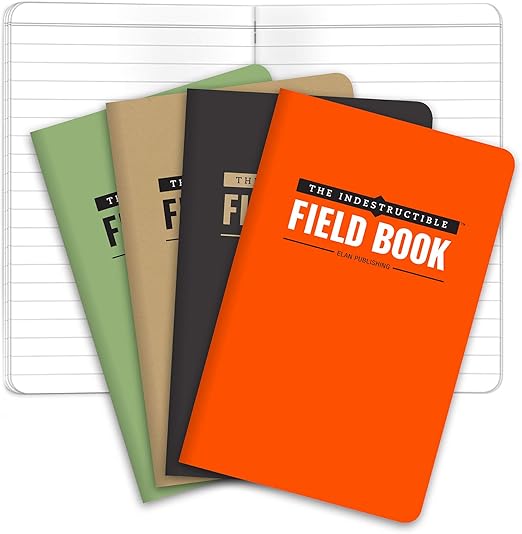
Quick sketches and notes work better than photos for spatial relationships and comparative measurements. The physical act of drawing forces slower, deeper observation than rapid-fire phone shots.
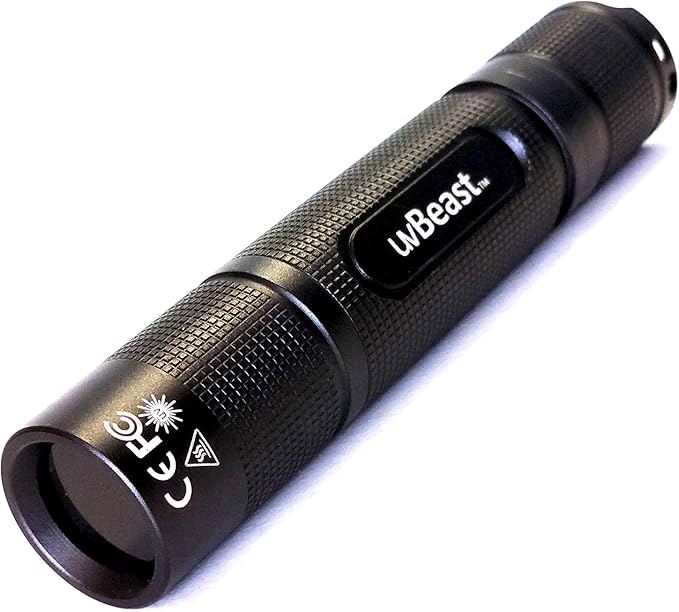
Reveals fluorescent minerals in building stone, security markings, old paint layers under new ones, and biological traces like lichen patterns. Daytime UV exploration shows you the invisible city.
As an Amazon Associate I earn from qualifying purchases. Prices may change.
Step-by-Step Guide
Pick your lens and territory
Choose one exploration theme—architectural details, infrastructure, urban nature, historical layers, or street art evolution. Then select a 4-6 block radius you think you already know well. The familiarity makes discoveries more powerful.
💡 Pro Tips:
- • Mornings before 9AM give you different light and fewer crowds
- • Depth beats breadth—don't try to see everything
Set navigation constraints and documentation
Decide how you'll capture findings: photos, maps, sketches, or voice memos. Then pick unusual navigation rules to force yourself off autopilot—only turn right, follow the sun-facing side of streets, or take every third alley.
💡 Pro Tips:
- • Voice memo apps let you capture observations without breaking stride
Scan all three dimensions
Look up for old painted ads on rooflines, down at utility covers with casting dates, and straight ahead at second-story facades where original details survive. Run your hand along brick to feel where mortar repair changes texture. Test which surfaces hold rain longest.
Hunt for one mystery
Find something unexplained—a bricked-up doorway, metal rings in sidewalks, mismatched building materials—and spend 20 minutes investigating. Check cornerstone dates, search for historical plaques, or pull up local archives on your phone.
💡 Pro Tips:
- • Photograph pattern breaks: anything that disrupts uniformity tells a story
Map the machine
Follow power lines to transformers, trace water valve covers to understand the grid, or track how alleys connect into hidden networks. Cities are machines—see how yours works. Drop pins on a mapping app for each discovery, then zoom out to spot patterns.
Build your index and return
Record exact addresses or cross-streets for your findings—'cool building near the coffee shop' becomes useless, but '1847 cornerstone at 423 Oak Street, north facade' builds a real database. Walk the same route at dawn, midday, dusk, and after dark. Light changes everything.
💡 Pro Tips:
- • That boring office building becomes a canyon wall when morning sun rakes across it at 7AM in winter
Gear Up for Your Quest
The gear that makes this quest work.
Pull it off

Macro Lens Clip for Smartphone
Captures details invisible to naked eye—moss patterns on brick, weathering textures, casting marks on metal fixtures, and insect activity in sidewalk cracks. Transforms routine documentation into forensic observation.
+ complete the kit — 3 more

Field Notes Waterproof Notebook
RecommendedQuick sketches and notes work better than photos for spatial relationships and comparative measurements. The physical act of drawing forces slower, deeper observation than rapid-fire phone shots.
Pocket-sized all-weather notebook with tear-resistant pages
Get on Amazon · $12.95 — Field Notes Waterproof Notebookdetails & deals →
What3Words or AllTrails App
RecommendedStandard addresses fail in alleys and vacant lots. These apps create exact location markers for discoveries, letting you build a returnable database and share specific spots with precision.
Precise geolocation apps using 3-word addresses or GPS coordinates

UV Flashlight Keychain
OptionalReveals fluorescent minerals in building stone, security markings, old paint layers under new ones, and biological traces like lichen patterns. Daytime UV exploration shows you the invisible city.
Small 395nm ultraviolet LED light on keychain form factor
Get on Amazon · $39.99 — UV Flashlight Keychaindetails & deals →RELATED GEAR GUIDE
Night Walk Safety Gear: Be Seen, Be Heard, See Everything
Field-tested picks · Urban Exploration
As an Amazon Associate, IRL Sidequests earns from qualifying purchases at no extra cost to you.
Prices and availability are subject to change. The price shown at checkout on Amazon at the time of purchase will apply.
Editor's Picks
Hand-selected quests our team thinks you'll love

Urban Food & Beverage Culture Quest
The best food in your city isn't on Yelp's front page—it's where rent is cheap and menus aren't in English.

Historical Walking Tour: Read Your City's Hidden Stories
Every sidewalk crack has a story—you just need to know where to look.

Architecture Scavenger Hunt: Decode Your City's Hidden Design Language
That building you pass every day? It's been screaming details at you that you've never noticed.