
Urban Safety & Survival Skills: Street Preparedness Training
The city's safest people aren't the most sheltered—they're the most aware.
About This Quest
Master essential urban survival techniques through hands-on safety drills, emergency navigation, and situational awareness exercises in real city environments.
Urban survival isn't about bunkers and stockpiles—it's about reading your environment faster than trouble develops. You'll learn to spot exit routes in crowded spaces within three seconds, navigate without GPS using building patterns and sun position, and handle common city emergencies from power outages to crowd surges. This quest trains your brain to process urban threats the way experienced city dwellers do instinctively. You'll walk through different neighborhood types—commercial districts at rush hour, residential areas after dark, transit hubs during peak times—practicing specific awareness drills at each location. The goal is muscle memory: checking reflections in store windows, positioning yourself near exits, keeping your phone charged and accessible without being distracted by it. You'll also learn improvised solutions using everyday urban materials, like using a belt as a door barricade or a credit card for basic lock manipulation in emergencies. By the end, you'll move through the city with a completely different operating system. You'll notice the guy who's been behind you for three blocks, the unattended bag that wasn't there two minutes ago, and the safest route home that avoids isolated areas without adding ten minutes to your walk. These aren't paranoia skills—they're the same environmental reading techniques that bike messengers, delivery drivers, and beat cops develop through thousands of hours on city streets.
Why This Quest Matters
You'll stop moving through the city on autopilot and start reading it the way bike messengers and beat cops do—as a living map of safe zones, exit routes, and trouble before it develops. The payoff isn't paranoia; it's the quiet confidence that comes from knowing you can handle whatever the city throws at you, even when your phone's dead and the crowd's moving the wrong direction.
What You'll Experience
- Automatic exit identification in any building or public space within seconds
- Phone-free navigation using sun position, building patterns, and landmarks
- Reflection-based awareness to monitor your surroundings without obvious scanning
- A mental map of emergency resources and safe anchors along your regular routes
- The positioning and movement patterns that signal street-smart confidence
What You'll Need
Top gear to make this quest great.
Pull it off
Tactical Flashlight (200+ Lumens)
Illuminates dark stairwells, parking garages, and alleys while the strobe function disorients potential threats. Essential for power outages and late-night navigation in poorly lit urban areas.
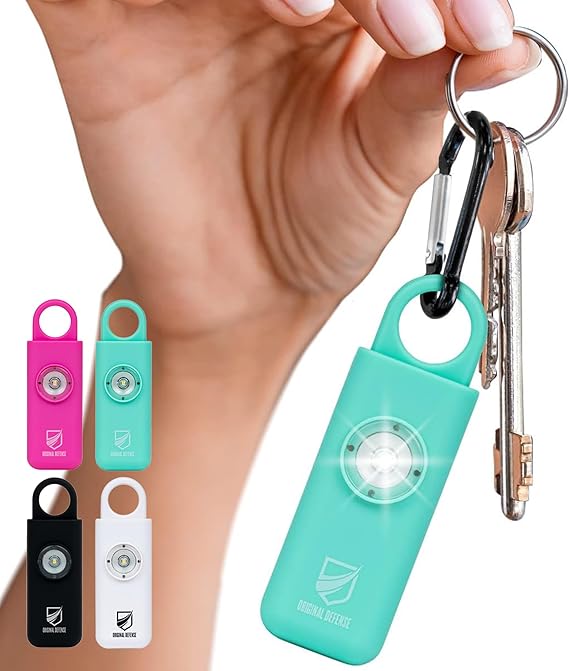
Draws immediate attention in emergencies, deters attackers, and signals for help in crowded or isolated areas. More effective and legal than pepper spray in many urban jurisdictions.
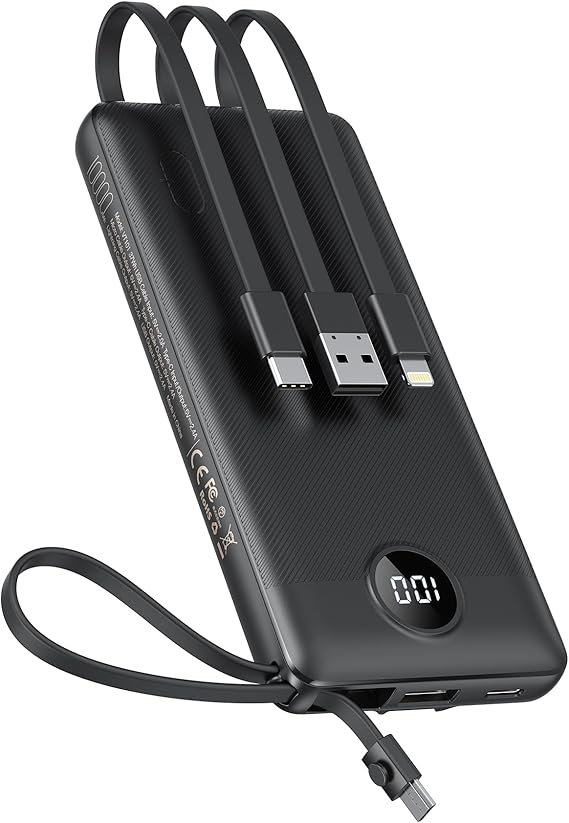
Ensures your primary communication and navigation device stays operational during extended periods away from power sources or during emergencies. Dead phone equals dead situational awareness.
As an Amazon Associate I earn from qualifying purchases. Prices may change.
Step-by-Step Guide
Scout three contrasting environments
Pick a busy commercial district, a residential neighborhood, and a transit hub. Visit each at different times—morning rush, afternoon lull, evening crowds—to see how lighting and crowd density shift your read of the space.
💡 Pro Tips:
- • Your regular grocery store, subway stop, and a downtown block you pass weekly are perfect starting points
- • Evening visits reveal which streets lose foot traffic and which stay populated
Drill automatic exit awareness
Enter coffee shops, stores, and building lobbies with one rule: identify all exits within ten seconds, before you do anything else. Practice until your eyes sweep for exits before you read the menu or check your phone. Repeat across all three environments until the scan becomes reflex.
💡 Pro Tips:
- • Count steps to each exit while waiting in line—distances matter when crowds panic
- • Notice which exits are blocked by displays or locked during certain hours
Build phone-free navigation skills
Walk a familiar route using only sun position (rises east, sets west), building numbering patterns (odd/even sides often indicate direction), and landmark memory. No GPS, no maps. Then navigate one of your three zones using only these physical cues.
💡 Pro Tips:
- • Building numbers typically increase as you move away from a city's origin point
- • Church steeples, water towers, and highway overpasses make reliable fixed reference points
Map your emergency resources
Walk your regular routes and tag safety anchors at every block: 24-hour businesses, police stations, fire departments, hospitals, and busy corners where help is always nearby. Program your phone with urgent care clinics, your building's security, and the local precinct's non-emergency line, tagged by neighborhood.
💡 Pro Tips:
- • Gas stations and chain pharmacies are often open late and have security cameras
- • Hotel lobbies always have staff and are neutral spaces to regroup if something feels wrong
Train reflection-based rear awareness
Use store windows, car side mirrors, and your phone in selfie mode to monitor what's behind you without turning your head. Practice this while walking through commercial areas—you're learning to catch the person who's been matching your pace for three blocks before they expect you to notice.
💡 Pro Tips:
- • Angles matter: position yourself where glass reflects the sidewalk behind you, not just the sky
- • Experienced pickpockets watch for people checking reflections—it marks you as aware
Run weekly what-if scenarios
At every block on your routine paths, ask: Where would I go if someone followed me? If my phone died and I needed help? If this street suddenly felt wrong? Test yourself by taking a different route home, helping a lost tourist without GPS, and identifying three exits in every new building you enter.
Gear Up for Your Quest
The gear that makes this quest work.
Pull it off

Tactical Flashlight (200+ Lumens)
Illuminates dark stairwells, parking garages, and alleys while the strobe function disorients potential threats. Essential for power outages and late-night navigation in poorly lit urban areas.
+ complete the kit — 4 more

Draws immediate attention in emergencies, deters attackers, and signals for help in crowded or isolated areas. More effective and legal than pepper spray in many urban jurisdictions.
Keychain-sized alarm that emits piercing sound when activated
Get on Amazon · $19.91 — Personal Safety Alarm (130dB)details & deals →
Portable Phone Charger (10,000mAh+)
EssentialEnsures your primary communication and navigation device stays operational during extended periods away from power sources or during emergencies. Dead phone equals dead situational awareness.
High-capacity battery pack with multiple charging ports and LED indicators
Get on Amazon · $22.65 — Portable Phone Charger (10,000mAh+)details & deals →
Paracord Bracelet with Fire Starter
RecommendedUnravels into strong cordage for emergency repairs, securing items, or creating makeshift tools. Fire starter provides backup ignition source. Compass enables basic navigation if separated from phone.
Wearable survival bracelet containing 8-12 feet of 550-lb paracord, ferrocerium rod, and compass
Get on Amazon · $10.99 — Paracord Bracelet with Fire Starterdetails & deals →
Offline Survival Apps Bundle
RecommendedProvides navigation, emergency medical guidance, and communication capabilities when cellular networks are overloaded or unavailable. Download regional maps and transit data before venturing out.
Citymapper (offline transit), Maps.me (offline maps), First Aid by Red Cross, Zello (walkie-talkie app)
RELATED GEAR GUIDE
Night Walk Safety Gear: Be Seen, Be Heard, See Everything
Field-tested picks · Urban Exploration
As an Amazon Associate, IRL Sidequests earns from qualifying purchases at no extra cost to you.
Prices and availability are subject to change. The price shown at checkout on Amazon at the time of purchase will apply.
Editor's Picks
Hand-selected quests our team thinks you'll love

Urban Food & Beverage Culture Quest
The best food in your city isn't on Yelp's front page—it's where rent is cheap and menus aren't in English.

Historical Walking Tour: Read Your City's Hidden Stories
Every sidewalk crack has a story—you just need to know where to look.

Architecture Scavenger Hunt: Decode Your City's Hidden Design Language
That building you pass every day? It's been screaming details at you that you've never noticed.