
Urban Secrets & Hidden City Discoveries Hub
Your city has a secret language written in brick, stone, and fading paint—most people walk past it every day.
About This Quest
Master the art of finding hidden architectural details, forgotten histories, and overlooked urban gems in plain sight using observation techniques and archival research.
Every city conceals layers of history in plain sight. Ghost signs fade on brick walls advertising businesses dead for decades. Architectural details tell stories of craftsmen who carved their signatures into cornerstones. Alleyways reveal loading docks from when your neighborhood was an industrial hub, not a coffee shop district. This quest teaches you systematic observation techniques to read your city like an archaeologist reads a dig site. The method combines pre-walk archival research with field documentation. You'll learn to spot architectural anomalies—bricked-over doorways, mismatched brickwork, elevation changes that hint at buried streetcar tracks. Morning light between 7-9AM reveals the most detail on weathered surfaces, casting shadows that make faded lettering readable. Bring a polarizing filter to cut glare off windows and reveal interior architectural features. This isn't about famous landmarks. You're hunting the mundane made meaningful—utility covers with foundry marks, Prohibition-era speakeasy indicators, Civil Defense shelter markers, Victorian-era builder plates. The city's margin notes. After three sessions, you'll never see your neighborhood the same way. You'll notice when buildings don't match their streetscape, when sidewalks change material inexplicably, when cornerstones list construction dates that contradict the building's supposed age.
Why This Quest Matters
After three sessions, you'll see your neighborhood as a living archive instead of a static backdrop. You'll notice when buildings betray their official age, when sidewalks whisper about vanished industries, when ghost signs resurrect businesses dead for generations. The city becomes a text you can finally read.
What You'll Experience
- How to read Sanborn Fire Insurance maps and city directories to predict where historical fragments survive
- Systematic observation techniques for spotting architectural anomalies—bricked doorways, mismatched materials, elevation changes
- When and how to use angled light, polarizing filters, and UV flashlights to reveal hidden inscriptions and details
- How to match archival records to physical evidence and map your discoveries
- Why sidewalk patches, cornerstone dates, and building transitions tell stories official records miss
What You'll Need
Top gear to make this quest great.
Pull it off
Circular Polarizing Filter (fits your phone or camera lens)
Cuts window reflections so you can photograph interior architectural details like original ceilings, tile work, and signage visible through storefront glass. Also enhances contrast on weathered surfaces, making faded ghost signs more readable.
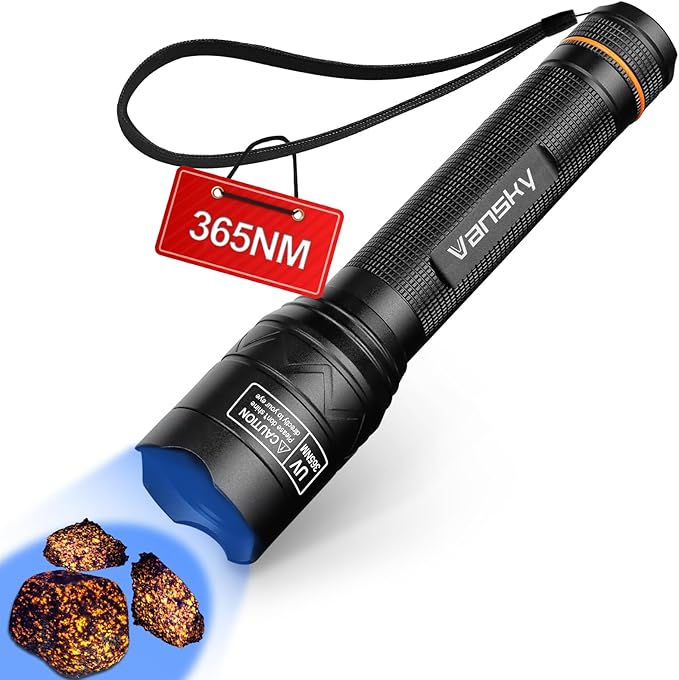
Makes hidden or weathered inscriptions visible on stone and brick. Old repairs, signatures, and markings that have faded to invisibility in daylight fluoresce under UV. Best used in early evening on limestone, marble, and sandstone.
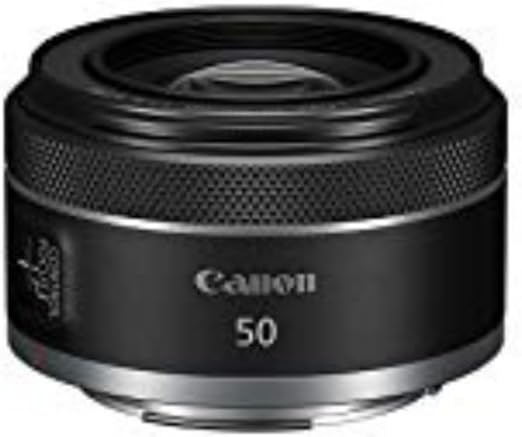
Captures entire building facades when you're shooting from narrow sidewalks or alleys. Essential for documenting architectural context and full ghost signs when you can't back up far enough. Standard phone lenses miss too much vertical detail.
As an Amazon Associate I earn from qualifying purchases. Prices may change.
Step-by-Step Guide
Mine the archives for targets
Pull up Sanborn Fire Insurance maps (1867-1970) for your neighborhood at your library's digital collection. These show building footprints, materials, and vanished structures. Cross-reference with digitized city directories from the same era and write down 5-8 business names or addresses that intrigue you—their ghost signs might still mark walls.
💡 Pro Tips:
- • Focus on transition eras (1920s-1950s) when painted ads were common but many businesses have since vanished
- • Note building heights and materials on Sanborn maps—they'll help you identify renovated structures in the field
Walk your 4-6 block radius
Go early morning (7-9AM) when angled light reveals textures and sidewalks are clear. Start at corners where old and new architecture meet—these transition zones preserve fragments. Walk slowly, looking UP above storefronts to second and third floors where original features survive.
💡 Pro Tips:
- • Bring a wide-angle lens and polarizing filter to cut window glare and see interior architectural details
- • Scan for faded painted ads, carved dates, decorative cornices, bricked-over windows in different brick colors, and foundation stones with maker's marks
Document anomalies systematically
Photograph straight-on, not at angles, capturing both details and context shots showing the building's relationship to its block. Use your UV flashlight on limestone and sandstone—old inscriptions and repairs appear under UV that are invisible in daylight. Note modern intrusions like concrete sidewalk patches marking former coal chutes, vault lights, or streetcar tracks.
💡 Pro Tips:
- • Early evening (just before sunset) is second-best lighting for UV work
- • Sidewalk materials changing mid-block usually indicate property line disputes or annexations
Cross-check findings against archives
Match painted sign fragments to business names from your directories—that confirms a ghost sign. Compare cornerstone dates to official building records; contradictions reveal renovations or reconstructions. Map your discoveries with annotated screenshots or sketches, marking confirmed ghost signs, architectural anomalies, date stones, and transition zones worth revisiting.
Return during different seasons
Winter reveals building bones when trees are bare. Heavy rain makes faded paint temporarily visible. Snow highlights elevation changes in sidewalks and streets that hint at buried streetcar tracks or infrastructure. Each season exposes different layers of your city's palimpsest.
Gear Up for Your Quest
The gear that makes this quest work.
Pull it off

Circular Polarizing Filter (fits your phone or camera lens)
Cuts window reflections so you can photograph interior architectural details like original ceilings, tile work, and signage visible through storefront glass. Also enhances contrast on weathered surfaces, making faded ghost signs more readable.
+ complete the kit — 3 more

Library Digital Archives Membership
EssentialPopularProvides the historical context that transforms random observations into confirmed discoveries. Sanborn Fire Insurance maps show what buildings and businesses occupied your target area 50-150 years ago, letting you identify ghost signs and architectural survivors.
Free access to your municipal library's digitized historical collection including Sanborn maps, city directories, and historical photographs

UV Flashlight (365nm wavelength)
RecommendedMakes hidden or weathered inscriptions visible on stone and brick. Old repairs, signatures, and markings that have faded to invisibility in daylight fluoresce under UV. Best used in early evening on limestone, marble, and sandstone.
Ultraviolet light source that reveals invisible details on surfaces
Get on Amazon · $20.97 — UV Flashlight (365nm wavelength)details & deals →
Wide-Angle Lens Attachment (0.6x or wider)
RecommendedCaptures entire building facades when you're shooting from narrow sidewalks or alleys. Essential for documenting architectural context and full ghost signs when you can't back up far enough. Standard phone lenses miss too much vertical detail.
Clip-on lens that expands your camera's field of view by 40% or more
Get on Amazon · $199.00 — Wide-Angle Lens Attachment (0.6x or wider)details & deals →RELATED GEAR GUIDE
Night Walk Safety Gear: Be Seen, Be Heard, See Everything
Field-tested picks · Urban Exploration
As an Amazon Associate, IRL Sidequests earns from qualifying purchases at no extra cost to you.
Prices and availability are subject to change. The price shown at checkout on Amazon at the time of purchase will apply.
Editor's Picks
Hand-selected quests our team thinks you'll love

Urban Food & Beverage Culture Quest
The best food in your city isn't on Yelp's front page—it's where rent is cheap and menus aren't in English.

Historical Walking Tour: Read Your City's Hidden Stories
Every sidewalk crack has a story—you just need to know where to look.

Architecture Scavenger Hunt: Decode Your City's Hidden Design Language
That building you pass every day? It's been screaming details at you that you've never noticed.