
Cloud Spotting: Read the Sky Like a Weather Forecaster
The sky's telling you tomorrow's weather—you just need to learn the language.
About This Quest
Learn to identify cloud formations, predict weather changes, and connect with the sky through systematic cloud spotting observation.
Cloud spotting isn't just staring at the sky—it's reading atmospheric conditions in real time. Every cloud formation tells you about air pressure, moisture levels, and what's coming in the next 6-24 hours. Cirrus clouds stretching thin at sunset? You've got 12-24 hours before a weather system moves in. Towering cumulonimbus with that distinctive anvil top? Clear out—storms are minutes away. The best spotters work during golden hour transitions when side-lighting reveals cloud structure and depth. Early morning offers the sharpest formations before thermal activity scrambles things. Late afternoon brings dramatic buildups, especially in summer when heat creates those massive vertical developments. You'll start noticing patterns: mackerel skies (altocumulus) before rain, lenticular stacks near mountains, mammatus pouches under severe storms. This practice sharpens your observational skills faster than almost anything else. You're tracking changes minute by minute, noting wind direction at different altitudes (clouds at various heights move different directions), estimating base heights, and correlating what you see with what actually happens. Three weeks in, you'll be that person who knows it's going to rain two hours before the first drop falls.
Why This Quest Matters
After three weeks of sessions, you'll predict rain two hours before the first drop falls. You're building a pattern library that turns atmospheric chaos into readable signals—cirrus wisps announce incoming systems 12-24 hours out, anvil-topped cumulonimbus means storms are minutes away. This sharpens observational skills faster than almost any other practice because you're tracking changes minute by minute and reality confirms or corrects you within hours.
What You'll Experience
- How to identify the 10 main cloud types and what weather they predict
- Reading wind speed and direction at multiple altitudes by tracking cloud movement
- Spotting the difference between stable and unstable atmospheric conditions
- Building a personal weather prediction accuracy that jumps significantly after 15-20 sessions
- Noticing patterns like mackerel skies before rain and lenticular stacks near mountains
What You'll Need
Top gear to make this quest great.
Pull it off
Cloud Identification Chart (Laminated Field Guide)
Eliminates phone-checking during observation and provides instant visual comparison for accurate identification—critical for building pattern recognition faster than app-based learning
Get on Amazon · $21.95 — Cloud Identification Chart (Laminated Field Guide)
Reveals cloud structure detail invisible to naked eye by cutting atmospheric haze and increasing color saturation—makes documentation 3x more useful for pattern analysis
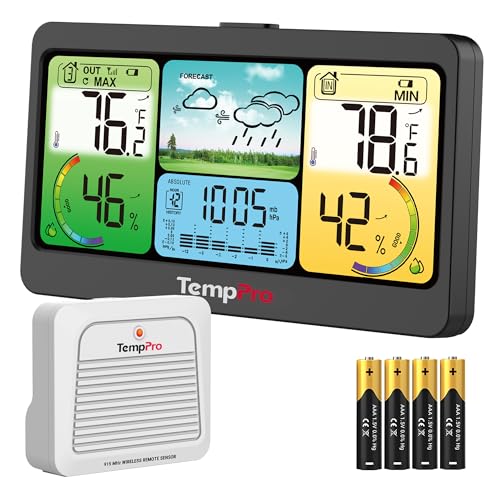
Tracks pressure trends that predict weather shifts 12-18 hours before visible cloud changes—turns cloud spotting into active forecasting instead of passive observation
As an Amazon Associate I earn from qualifying purchases. Prices may change.
Step-by-Step Guide
Find Your Observatory Position
Choose a spot with at least 180 degrees of unobstructed sky—rooftops, open fields, or lakeshores. You need to see approaching systems from multiple directions, not just overhead.
💡 Pro Tips:
- • Early morning offers the sharpest cloud formations before thermal activity scrambles the picture
- • Golden hour side-lighting reveals cloud structure and depth better than midday sun
Map the Three-Layer Sky
Scan the entire dome and classify clouds by altitude: high cirrus family (above 20,000 ft), middle alto- family (6,500-20,000 ft), and low stratus or cumulus (below 6,500 ft). Note which types appear where and estimate their coverage percentage.
💡 Pro Tips:
- • Look for combinations like stratocumulus or cirrostratus—they're more common than pure types
Track Movement and Measure Wind Speed
Pick a fixed landmark (tree, building, mountain peak) and time how long a specific cloud takes to cross it—10 minutes gives you solid data. Clouds at different heights moving in different directions reveal wind shear and system complexity.
Watch One Cloud Evolve
Focus on a single formation for 20-30 minutes, checking every 5-10 minutes. Are cumulus clouds flattening out (stable air) or building vertically into towers (unstable, potential storms)? Document these changes with photos at consistent intervals.
Record Everything and Check Your Work
Log the date, time, formations, temperature, humidity feel, wind direction, and your weather prediction for the next 6-24 hours. Cross-reference with actual radar and forecasts 2-4 hours later to see what patterns preceded rain, wind shifts, or clearing.
💡 Pro Tips:
- • Practice during the 6 hours before a front arrives for the most dramatic and educational formations
- • Your ears might pop slightly before pressure systems move in—pay attention
Gear Up for Your Quest
The gear that makes this quest work.
Pull it off

Cloud Identification Chart (Laminated Field Guide)
Eliminates phone-checking during observation and provides instant visual comparison for accurate identification—critical for building pattern recognition faster than app-based learning
Get on Amazon · $21.95 — Cloud Identification Chart (Laminated Field Guide)details & deals →+ complete the kit — 3 more

Polarizing Filter for Smartphone Camera
RecommendedReveals cloud structure detail invisible to naked eye by cutting atmospheric haze and increasing color saturation—makes documentation 3x more useful for pattern analysis
Clip-on circular polarizer that reduces glare and deepens sky contrast
Get on Amazon · $35.99 — Polarizing Filter for Smartphone Cameradetails & deals →
Analog Barometer/Altimeter
RecommendedTracks pressure trends that predict weather shifts 12-18 hours before visible cloud changes—turns cloud spotting into active forecasting instead of passive observation
Mechanical instrument measuring atmospheric pressure changes
Get on Amazon · $49.99 — Analog Barometer/Altimeterdetails & deals →
Grid format enables accurate proportion sketching and pattern mapping—drawing clouds forces detailed observation that photos miss, embedding formations in memory 5x faster
Water-resistant journal with gridded pages for sketching cloud formations and tracking observations
Get on Amazon · $15.99 — Weatherproof Field Notebook with Grid Pagesdetails & deals →RELATED GEAR GUIDE
Urban Foraging Gear: 8 Beginner Picks to Start Safely
Field-tested picks · Nature & Outdoors
As an Amazon Associate, IRL Sidequests earns from qualifying purchases at no extra cost to you.
Prices and availability are subject to change. The price shown at checkout on Amazon at the time of purchase will apply.
Editor's Picks
Hand-selected quests our team thinks you'll love

Urban Ecosystem Knowledge: Map Your City's Hidden Wildlife
Your neighborhood has more species than you think—time to prove it.

Urban Wildlife & Nature Connection Hub
Your city's wilder than you think—you just need to know where to look.

Urban Biodiversity Mapping & Citizen Science Hub
Your neighborhood harbors more species than you think—and scientists need your eyes on the ground.