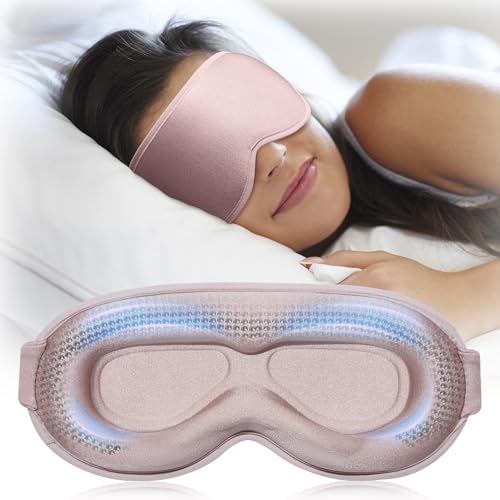
Run your decompression routine after every shift for 14 days, checking your stress from 1 to 10 before and after. At the end, name the two or three moves that worked and run them in your own order.
Bonus challenge: Try your routine after an easy shift too, so your body learns the cue even when you don't need it.
Accept this questSaves it to your list, no account needed.
Time
15-30 minutes per session
Cost
Free with your own gear
The routine itself is free. If you want the extras, a massage ball runs about $8, a peppermint roll-on about $10, and a weighted eye mask about $10, each a one-time buy.
What if the drive home wasn't the only thing separating work from the rest of your life? Over two weeks you'll test a handful of quick ways to shake off a hard shift, rate how you feel before and after, and keep the two or three that actually work for you.
Hard shifts don't end when you clock out. They follow you to the car, the couch, and sometimes all the way to 3am. So you're going to build a short handoff routine that tells your body the shift is over.
For 14 days you'll try a few simple moves: tensing and releasing your muscles, shaking out your arms and legs, cold water on your face, a quick scene you picture in your head. Rate your stress from 1 to 10 before and after, and you'll see the pattern fast. No experience needed, and nothing takes more than 15 minutes. By day 14 you'll have your own routine, in your own order.
Why This Quest Matters
You already know how to take care of other people under pressure. This is the same care, pointed at you, for 15 minutes. The best part is that it stops being a decision. Your body learns the cue, and after a while the routine starts working before you've even finished it. You deserve a door between work and home.
What You'll Experience
Find your tells: Notice where your shift actually sits, whether it's your jaw, your shoulders or your stomach.
Shake it loose: Spend 30 seconds per limb letting your arms and legs flop like cooked spaghetti.
Hit the reset: Feel 60 seconds of cold water on your face and wrists change your whole mood.
Build your own version: Keep the two or three moves that work and let the rest go.
What You'll Need
Top gear to make this quest great.
Pull it off
Lacrosse Ball or Spiky Massage Ball
Digs into the tight spots in your neck, shoulders and jaw that stress keeps building.
As an Amazon Associate I earn from qualifying purchases. Prices may change.
Before You Begin
Pick one spot and call it your transition zone: a parked car, a corner of the bedroom, even a quiet stairwell. Stock it so you never have to hunt for anything. Handy extras: a dense massage ball for the knots in your neck and shoulders, a pre-diluted peppermint roll-on for your temples and wrists when you need a quick jolt of something else, and a weighted sleep mask if you're sleeping during daylight. A free meditation app with guided body scans and timers helps on the nights you're too fried to remember the order.
Safety Tips
A good quest stays a good story. These are general notes; your gear's manual, the venue's rules and local law come first.
If you do this in the car, engine off and keys out of the ignition first. Never practice any of it while driving or idling in traffic.
In a parking lot, park somewhere lit and visible to others, and sit facing the aisle so you can see what's coming.
Drink some water before the physical parts, build up over several days rather than going hard on day one, and skip the 20 jumping jacks if you feel lightheaded.
Cold water on the face sets off a real cardiovascular response. If you have a heart condition, an irregular heartbeat, uncontrolled blood pressure or you're pregnant, check with your clinician first, and use cool tap water instead of ice.
Roll the massage ball on muscle only, never on your spine, throat or the front of your neck, and stop at once if you feel numbness, tingling or sharp pain.
This is not treatment for flashbacks, panic attacks, thoughts of self-harm or drinking you can't control. For those, reach out to your employee assistance program or a trauma-informed clinician.
Step-by-Step Guide
1
Find Your Tells
15 min
Before you fix anything, find out what your shift does to you. For the first three days, pause at clock-out and scan from your feet to your head. Clenched jaw? Shoulders up by your ears? Stomach in a knot, a buzzing in your chest, or that floaty feeling where you're not quite there? Pick a 1-to-10 stress number too.
💡 Pro Tips:
• Your pattern tells you which move to use: wired needs calming down, numb needs waking up.
2
Claim Your Transition Zone
15 min
Now give the routine an address. Choose one private indoor spot and declare it the place where work ends: the driver's seat, a bedroom corner, a spare room. Stock it with your massage ball, your roll-on, your mask, whatever you're using. If it's the car, engine off and keys out before you start anything.
💡 Pro Tips:
• Same spot every time. The space itself becomes part of the signal, so eventually just sitting there helps.
3
Shake Off The Shift
15 min
Here's the physical release, and you pick based on your tells. Wired and jittery? Tense each muscle group 5 seconds and release for 10, working from your feet up to your face. Numb and flat? Shake out each arm and leg for 30 seconds, then 20 jumping jacks. Tight and knotted? Roll the ball slowly over your neck, shoulders and jaw muscles.
💡 Pro Tips:
• Hydrate first, start gentle, and ease off if you get lightheaded. Easy beats heroic every single time.
4
Add The Sensory Reset
15 min
Next, interrupt the loop with something your body can't ignore. Splash cold water over your face and wrists for a full 60 seconds, or lie flat on the floor and let gravity do the work, or dab peppermint on your temples and wrists and take 10 slow breaths of it. Then picture the shift leaving: gear into a locker, or a waterfall rinsing it off. Two to three minutes.
💡 Pro Tips:
• Pick one sensory move, not all three. The point is a clean break, not a longer to-do list.
5
Run It For 14 Days
15 min
This is where the quest is won. Run the whole thing in about 15 minutes after each shift, with a stress number before and one within a minute of finishing. Each night, notice how you slept, how snappy you felt, and whether work kept replaying in your head. Some days barely move the number. That's useful too.
💡 Pro Tips:
• A free meditation app's body scan tracks and interval timers carry you through the nights when you can't think straight.
6
Name Your Routine
15 min
Day 14, and it's time to choose. Look back at your before-and-after numbers and spot the two or three moves that reliably brought you down. Those are yours. Decide the exact order you'll run them in, and keep that sequence. Everything else, let go without a second thought. You just built a door between work and the rest of your life.
💡 Pro Tips:
• Give your routine a name, something only you would call it. Named things are much harder to skip.
Fourteen days in, you've got a routine that's genuinely yours and a shorter walk between work and home. Run it after your next easy shift, just to keep it sharp.
Fancy spending an evening with your hands busy and your phone face down? Pick one hands-on hobby, clear a little corner for it, and start tonight. Clay that pushes back under your thumb, thread sliding through fabric, a small saw finding its rhythm. Bring someone and start a hobby corner together.
30 minutes to 2 hours per sessionFamilyGear from $36
Walk slower than you think is reasonable. See what happens.
Walk a wooded trail so slowly that it feels silly, for 90 minutes, with your phone off. You'll stop every fifty steps or so to touch bark, smell the soil, and count bird calls. Bring a friend if you like, as long as you both agree to stay quiet.
Your shoulders have been waiting all day for this.
Been at the screen so long your shoulders have opinions? Give yourself twenty minutes and a handful of tiny moves: shoulder rolls, a long look at the farthest thing you can see, a stretch over your own desk, and one wobbly minute balancing on one foot.