Complete the full 90 minutes on a shaded trail at a half-mile-an-hour pace, including the ten-minute sit, with your phone off the whole time. Compare how your shoulders and jaw feel at the end versus the start.
Bonus challenge: Bring a friend and walk the whole thing without speaking, then swap notes over coffee afterwards.
Accept this questSaves it to your list, no account needed.
Time
90 minutes
Cost
Free
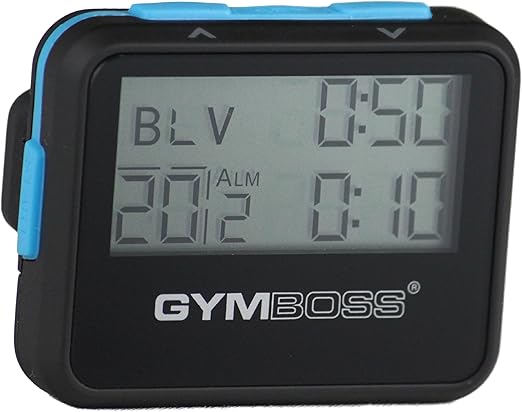
The walk itself costs nothing. A foam sit pad (around $20–35) and a simple timer (around $15–25) make the sitting and timing easier, but you can manage with a jacket to sit on and an ordinary watch.
solo, date night, friends · Ages 14+ (you need to be comfortable sitting quietly for ten minutes)
Level
Beginner
Where
Outdoor
Season
Year-round
Winter sessions (15-20 min shorter) still effective; layer appropriately. Spring offers peak birdsong for auditory grounding.
About This Quest
Walk a wooded trail so slowly that it feels silly, for 90 minutes, with your phone off. You'll stop every fifty steps or so to touch bark, smell the soil, and count bird calls. Bring a friend if you like, as long as you both agree to stay quiet.
There's a trail near you with trees overhead and almost nobody on it at eight in the morning. That's your spot. You're going to walk it at roughly half a mile an hour, which is slower than a toddler who has spotted a puddle.
You'll pause every fifty to a hundred steps and give one sense your full attention, sit for ten quiet minutes in the middle, then drift the last stretch without stopping. No skill needed, and no right way to feel. Your mission is simple: finish the full ninety minutes without checking your phone once.
Why This Quest Matters
Slow walking feels strange for about five minutes, and then it feels like relief. The calm from one session tends to stick around for a couple of days, and most people notice a real difference by their third walk. You're not fixing yourself out here. You're just letting the trees hold your attention for a while, which turns out to be enough.
What You'll Experience
Walk absurdly slowly: Move at half a mile an hour and feel how much the trail has been hiding.
Smell the forest floor: Lean close to damp soil or pine needles and notice how much is going on down there.
Sit and sort the sounds: Close your eyes for ten minutes and split the constant hum from the sudden calls.
Leave your phone off: Ninety minutes with nothing buzzing, and nobody needing an answer.
What You'll Need
Top gear to make this quest great.
Pull it off
Lightweight Foam Sit Pad
Keeps the ten-minute sit from turning into a cold, wet reason to stand back up.
As an Amazon Associate I earn from qualifying purchases. Prices may change.
Before You Begin
Pick a wooded trail where at least half the sky is covered by branches, close enough to reach on foot or with a short drive. Early morning or late afternoon on a weekday means you'll have it mostly to yourself. Handy extras: a foam sit pad so the ten-minute sit isn't cold and damp, a plain watch or small vibrating timer so you never touch your phone, and a merino wool base layer in cold months because you'll be standing still a lot. Bring water. In winter, trimming 15 to 20 minutes off is completely fine. Tell someone your route and when you'll be back.
Safety Tips
A good quest stays a good story. These are general notes; your gear's manual, the venue's rules and local law come first.
Check the trailhead board for posted pesticide spraying or closure notices before you start, and stay off treated verges and sprayed grass. Keep any dog off those areas too, and wash your hands before you eat or drink anything.
Smell plants from about six inches away with your hands off them. Never taste, chew or crush unfamiliar leaves, berries or mushrooms, and don't pick anything to carry home.
Know the local tick, poison ivy and stinging insect risks for your trail, and do a full tick check on skin and clothes when you finish.
Choose a trail away from fast roads, cross only at marked points, and wear something bright if the light is low. Your phone is off, so pick a trail with other walkers within earshot.
Dress for standing still rather than hiking, and end the session early if you start shivering.
If you have a heart, breathing or heat-sensitive condition, check the breath holds with your doctor before you try them.
Step-by-Step Guide
1
Stand Still At The Start
5 min
Before you take a single step, just stand at the trailhead for three to five minutes. Switch your phone off or put it in airplane mode and pocket it. Then run a quick check on yourself: are your shoulders up near your ears? Is your jaw tight? Are you warm or cold? Can you hear traffic, or only trees? This is your starting line.
💡 Pro Tips:
• Say the four things out loud under your breath. You'll remember them better for the comparison at the end.
2
Find The Ridiculous Pace
15 min
Now walk, but far slower than feels normal: about half a mile an hour, which is maybe one slow step per second with pauses. It will feel absurd for the first few minutes. Let it. Your eyes start catching things at this speed, like fungus on a log or the way the light stacks up through the branches.
💡 Pro Tips:
• If your pace creeps up, pick a tree thirty steps ahead and make yourself take a full minute to reach it.
3
Stop And Pick One Sense
10 min
Every fifty to a hundred steps, stop for two or three minutes and give one sense everything you've got. Press your palm flat on rough bark and hold it there. Crouch and smell damp soil or pine needles from about six inches away, hands off the plants. Or close your eyes and count separate bird calls. One sense per stop, not all three.
💡 Pro Tips:
• Touch is the easiest one to start with. Bark, moss and a cold rock in the same minute feel wildly different.
4
The Ten-Minute Sit
10 min
Around the thirty-minute mark, find a spot off the path and sit down on your pad or folded jacket. Close your eyes for a full ten minutes. Here's the game: sort every sound into constant or occasional. Wind and distant hum go in one pile, a woodpecker or a snapping twig in the other. The sorting keeps your mind busy enough to actually settle.
💡 Pro Tips:
• Set a vibrating timer rather than a beeping one, and tuck it in a pocket where you'll feel it.
5
Add The Breath Holds
30 min
Back to slow walking and stopping for another thirty minutes, with one addition. At each stop, breathe out fully, then hold on empty lungs for three to four seconds before breathing in. Do that three times, then carry on walking. It's a small thing that lands surprisingly hard: most people feel their shoulders drop by the second round.
💡 Pro Tips:
• Skip the holds entirely if they make you lightheaded or uneasy. The slow walking does plenty on its own.
6
Drift Home And Compare
20 min
For the last twenty minutes, keep the slow pace but stop stopping. Let your thoughts wander wherever they want, no sensory assignment, no counting. Then stand at the trailhead for two or three minutes and check those same four things: shoulders, jaw, temperature, sound. Notice what's different. Your phone can wait until you're back at the car.
💡 Pro Tips:
• Do your tick check before you get in the car, while you can still see your socks and ankles clearly.
Ninety minutes at half a mile an hour, phone off the whole time, and you made it. Pick your trail for next week now, while the quiet is still with you.
What if the drive home wasn't the only thing separating work from the rest of your life? Over two weeks you'll test a handful of quick ways to shake off a hard shift, rate how you feel before and after, and keep the two or three that actually work for you.
Today, you're going to hike to a sunrise viewpoint in pre-dawn darkness and brew coffee as the first rays touch the landscape.
Hike to a scenic overlook before dawn, time your arrival for first light, and brew fresh coffee as the sun breaks the horizon. You'll share the experience with a companion, watching darkness dissolve into color while warm caffeine cuts through the morning chill. This quest combines physical effort with a contemplative reward—the earned satisfaction of coffee tastes better at 6,000 feet after a climb in the dark.