Make a jar of sauerkraut, a jar of fridge pickles and a sealed jar of jam in one session. Then set them out for your friends or family to taste and vote on the best.
Bonus challenge: Name each jar something ridiculous and write it on the label next to the date.
Accept this questSaves it to your list, no account needed.
Time
3-6 hours per batch
Cost
Free with your own gear
Starter gear from $181
A water-bath canner, jar lifter, funnel and kitchen scale are one-time buys, roughly $110–150 together. Each batch day costs about $15–30 in produce, sugar, vinegar, salt and new flat lids.
solo, friends, family, date night · Teens 14+ with an adult at the stove
Level
Intermediate
Where
Indoor
Season
Year-round
Summer yields abundant produce for canning; fall brings pickling cucumbers and apples; winter is prime fermentation season with cooler ambient temps.
About This Quest
Grab a friend and spend an afternoon turning a pile of cheap produce into jars you'll be proud of. You'll make crunchy sauerkraut, quick fridge pickles and a small batch of jam that seals with a satisfying metallic pop. Then taste everything together and pick a favorite.
A head of cabbage, a bag of cucumbers and a few cups of fruit walk into your kitchen. By the end of the afternoon they're sauerkraut fermenting on the counter, pickles chilling in the fridge, and jam sealed in jars that will still taste like summer next winter.
You'll shred and salt, boil a simple brine, and water-bath can one small batch of jam using a tested recipe. None of it needs practice, just a scale and a timer. Your mission: build a three-jar starter pantry and let your taste-testers crown the best one.
Why This Quest Matters
There's a particular kind of pride in opening your own cupboard and seeing food you made on purpose. Not fancy food. Just cabbage you salted, cucumbers you brined, fruit you cooked down on a Saturday. Months later you spoon it onto toast and remember the afternoon. You made that, and you can make it again.
What You'll Experience
Hear the pop: Listen for the metallic ping that tells you a jam jar sealed properly.
Taste the change: Try your sauerkraut each day and catch the moment it turns tangy.
Build a tiny pantry: End the day with three jars you made from cheap produce.
Run a taste-off: Line up your jars and let your crew vote on the winner.
What You'll Need
Top gear to make this quest great.
Pull it off
Digital Kitchen Scale (0.1g Precision)
Weighs your cabbage and salt so the 2% ratio comes out right every batch.
As an Amazon Associate I earn from qualifying purchases. Prices may change.
Before You Begin
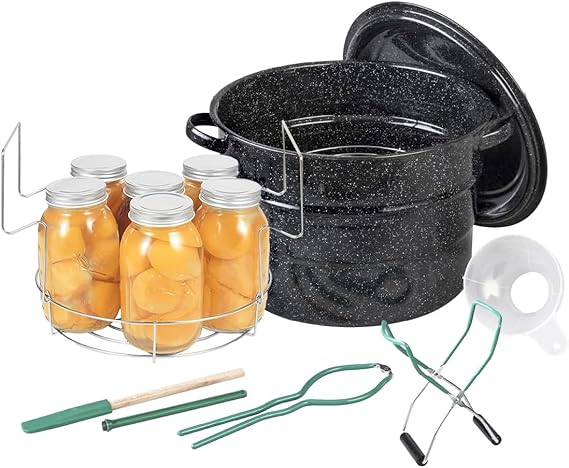
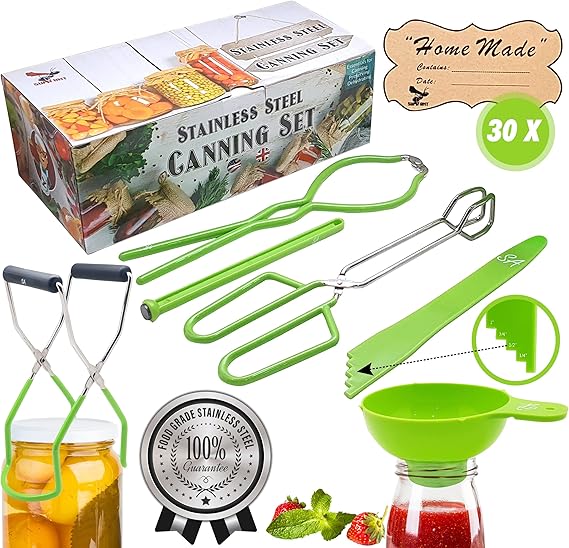
Shopping list first, then the fun part. You'll want a water-bath canner with a rack, a jar lifter and wide funnel, a small kitchen scale that reads in grams, pint and quart canning jars with new flat lids, and a tested recipe book like the Ball Complete Book of Home Preserving for processing times at your altitude. Handy extras: a 2-liter fermentation jar with a glass weight and airlock so the cabbage stays under its brine, and a cold plate in the freezer for testing jam. Then buy whatever produce is cheapest this week.
Safety Tips
A good quest stays a good story. These are general notes; your gear's manual, the venue's rules and local law come first.
Follow a tested recipe for anything you seal in jars, and use the processing time listed for your altitude. Do not change the vinegar, lemon juice or sugar amounts.
Today is a high-acid day only: jam and acidified pickles in the water-bath canner. Low-acid foods like stock, beans, plain vegetables and meat need a pressure canner, never a boiling-water bath, because botulism has no smell or taste.
Use only food-grade jars and new flat lids. Never reuse a flat lid, and skip any jar that is cracked, chipped, galvanized or decorative.
Move hot jars only with a jar lifter, and keep kids and pets away from the stove while the canner is boiling. Check that your canner is safe for your cooktop, since enamelware pots are not made for glass or induction.
If you ever use citric acid or lye for a recipe, wear gloves, open a window, label the container clearly and keep it away from food and children. Never taste an unlabeled powder.
Before you eat anything later: discard without tasting any jar with an unsealed or bulging lid, spurting liquid, mold or an off smell. When in doubt, throw it out.
Step-by-Step Guide
1
Set Up The Kitchen
25 min
Clear the counter and give yourself room to work. Wash your jars in hot soapy water and rinse them well. Fill the water-bath canner, set it on the stove with the rack inside, and bring it toward a boil. Open your recipe book to the jam and pickle pages you'll be using and read them once through.
💡 Pro Tips:
• Put a small plate in the freezer now. You'll use it later to test whether your jam is ready.
2
Salt And Squeeze Cabbage
30 min
Shred one kilogram of cabbage and weigh exactly 20 grams of sea salt, which is 2% by weight. Toss them together in a bowl and massage with your hands for several minutes until the cabbage goes limp and releases enough liquid to pool. Pack it into a 2-liter jar, press down until the brine covers everything, add the weight and airlock, and mark today's date.
💡 Pro Tips:
• Hands too sore? Let the salted cabbage sit ten minutes, then squeeze again. The salt does half the work for you.
3
Quick Pickles, Fast
30 min
This is the easiest win of the day. Heat equal parts vinegar and water with 2 tablespoons of sugar per cup of liquid, plus whatever spices you like: dill, garlic, peppercorns, mustard seed. Slice your cucumbers or carrots and pack them tight into a clean jar. Pour the hot brine over, let it cool, then refrigerate. They keep two to three months.
💡 Pro Tips:
• Slice everything the same thickness so the whole jar pickles evenly.
4
Jam And The Pop
90 min
Now the one that seals. Cook your fruit with sugar and lemon juice following a tested recipe until it reaches 220°F, about an hour of stirring and watching. Test it by dropping a spoonful on your cold plate: if it wrinkles when you nudge it, you're there. Funnel it into hot sterilized jars leaving a quarter inch of space at the top, slide a utensil down the side to release air bubbles, wipe the rims clean, and apply new lids.
💡 Pro Tips:
• A clean rim is everything. One smear of jam and that lid will not seal.
5
Process And Listen
25 min
Lower your jars onto the canner rack with the jar lifter, making sure water covers them by an inch or two, and boil for the time your recipe gives for your altitude: usually 10 minutes for jam and 10 to 15 for pint jars of pickles. Lift them out onto a towel and wait. Over the next minutes you'll hear each lid give a sharp metallic pop. That's the sound of a seal.
💡 Pro Tips:
• Don't press the lids while they cool. Let them pop on their own, then check the next morning that each one is firm and curved down.
6
The Jar Taste-Off
30 min
Label every jar with what's inside and today's date, then store the sealed jam somewhere cool and dark where it'll keep one to two years. Now gather your crew. Open the pickles, set out crackers for the jam, and let everyone taste and vote. Keep tasting the sauerkraut daily from day three, and once it's tangy enough for you, move it to the fridge.
💡 Pro Tips:
• If a white film forms on the sauerkraut brine, that's kahm yeast. It's harmless. Skim it off and carry on.
You spent an afternoon and ended up with jars that will still taste good months from now. Snap a photo of the three of them lined up and pass your winning recipe to whoever voted for it.
Your kitchen counter becomes a microbiology lab—no degree required.
Transform raw vegetables and tea into living foods through fermentation. Learn to create sauerkraut, kimchi, and kombucha using controlled microbial cultures.
3-4 hours active work, 7-30 days fermentation timeGear from $23
Turn a crate of cucumbers into pantry gold that tastes better in six months than it does today.
Master traditional and modern food preservation methods while creating unique culinary ingredients through fermentation, curing, pickling, and dehydration techniques.
3-4 hours initial setup, ongoing maintenance over weeksGear from $15