Swim three 20-foot stretches parallel to the beach with your buddy, breathing only through the snorkel, standing up between each one. Then both of you point out the single best thing you spotted on the bottom.
Bonus challenge: Take turns leading: one person picks the direction, the other has to find something the leader missed.
Accept this questSaves it to your list, no account needed.
Time
2-3 hours
Cost
Free with your own gear
Starter gear from $82
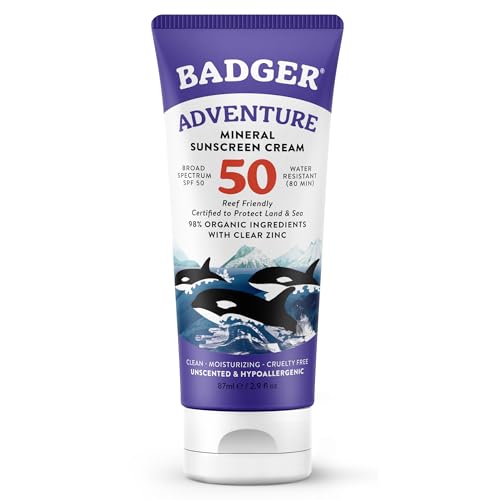
A beginner mask, snorkel and fin set runs about $30–45 as a one-time buy. Prefer to try before you commit? Beach shops rent gear for roughly $10–20 a day. Add reef-safe sunscreen and drinking water.
friends, family, date night · Ages 10+ who can already swim; kids need an adult within arm's reach
Level
Beginner
Where
Outdoor
Season
Summer
Water temps above 70°F ideal for comfort, May-September peak season most locations
About This Quest
Grab a swim buddy and spend an afternoon learning to breathe face-down in waist-deep water. You'll fit your mask, practice the slow in-and-out through the snorkel, then kick along the shore and look down at shells, rocks and the occasional curious little fish.
The first time you float face-down and keep breathing like nothing strange is happening, something clicks. The water goes quiet, the sandy bottom comes into focus, and you start noticing things you've walked past at this beach a hundred times.
You and your buddy will test the mask seal on dry land, get the fins on, practice clearing water out of the snorkel, and then swim short 20-foot stretches along the shore. You stay in water you can stand up in the whole time, so there's always a reset button. Your mission: float, breathe and find one thing on the bottom worth pointing at.
Why This Quest Matters
Breathing underwater feels like it should be hard, and then it isn't. That's the fun of a first snorkel session: you spend twenty minutes being a little unsure, and the rest of the afternoon wondering why you waited so long. The ocean floor was always right there, three feet below your knees.
What You'll Experience
Breathe face-down: Feel the strange thrill of taking a calm breath with your face in the water.
Clear your gear like a pro: Learn the little head-tilt trick that pushes water right back out of your mask.
Kick along the shore: Glide a short stretch of sandy bottom with your buddy beside you.
Spot your first find: Point out a shell, a rock or a fish nobody else noticed.
What You'll Need
Top gear to make this quest great.
Pull it off
Cressi Supernova Dry, Black
The dry top keeps waves out of the tube, and the valve at the bottom clears water with one gentle blow.
As an Amazon Associate I earn from qualifying purchases. Prices may change.
Before You Begin
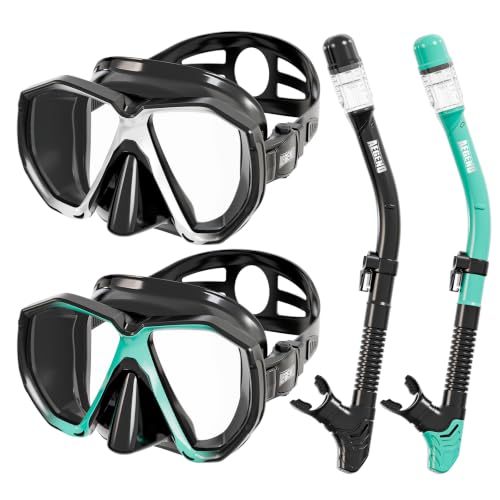
Good news: the whole kit fits in a beach bag. Essentials: a tempered glass mask that seals on your face, a dry-top snorkel with a purge valve at the bottom, fins that grip without pinching, reef-safe sunscreen and drinking water. Handy extras: a rash guard so your back doesn't cook while you float, a snorkel vest or tow float if either of you is a shaky swimmer, and neoprene booties if you're using open-heel fins in cooler water. Pick a calm sandy beach or protected cove, lifeguarded if you can, and follow the posted flags and lifeguard instructions.
Safety Tips
A good quest stays a good story. These are general notes; your gear's manual, the venue's rules and local law come first.
Never snorkel alone. Your buddy stays within arm's reach the whole session, and an adult stays within arm's reach of any child.
Stay in water you can stand up in, waist to chest deep, for the entire session. If either of you is a weak swimmer, wear a snorkel vest or tow a float.
Check the surf height, tide direction and any rip currents before you get in, obey the posted flags and the lifeguard's instructions, and tell someone on shore where you'll be and when you'll be back.
Water should be 70°F or warmer. Get out at the first shiver: cold hands or chattering teeth means the session is over.
If a wave shuts the dry-top valve, don't yank the snorkel out. Stand up, lift your face clear and breathe through your nose until the valve opens again.
Touch nothing living. Coral, urchins, jellyfish and hydroids sting or cut. Shuffle your feet through sand instead of stepping down, and keep your fins up off the bottom.
Step-by-Step Guide
1
Fit Check On Dry Sand
20 min
Before anyone gets wet, make the gear actually fit. Hold the mask to your face without the strap, breathe in gently through your nose, and let go: it should stick on its own. If it falls, try a different size. Then prep the lens the old beach way: wet it, spit on the inside, rub it around and rinse lightly so it won't fog. Try the fins on too. They should grip snugly without cutting off circulation.
💡 Pro Tips:
• Tuck stray hair out from under the mask skirt. One strand breaks the seal and you'll be clearing water all afternoon.
2
First Breaths Face-Down
25 min
Wade out to waist depth, standing the whole way, and put your fins on one at a time while you've got your footing. Now the big moment: float horizontal, face down, and breathe only through the snorkel. Four seconds in, four seconds out, slow and even. It feels odd for about three breaths and then it just feels normal. Stand up any time you want a reset.
💡 Pro Tips:
• Stare at one spot on the sandy bottom while you settle in. Watching something still keeps your breathing calm.
3
The Water-Clearing Trick
20 min
Water will get in. That's fine, because you're about to make it leave. Stand up, tilt your head back, press the top of the mask frame against your forehead and exhale through your nose. Do it five times until it's automatic. For the snorkel, a gentle blow clears water through the purge valve at the bottom; without a valve you'd need a sharp puff. Take turns coaching each other.
💡 Pro Tips:
• Practice clearing while standing before you try it floating. Once it's easy on your feet, it's easy face-down.
4
Learn The Lazy Kick
20 min
Time to move. In chest-deep water, hold a float or just hang in your buddy's eyeline and flutter kick: legs fairly straight, power coming from your hips, toes pointed and ankles loose. No frantic bicycling. Kick for 30 seconds, stand up, catch your breath, then go again. Keep your fins well off the bottom so you don't scrape anything living.
💡 Pro Tips:
• Short-blade fins are far kinder to beginner legs. If yours feel exhausting after two rounds, that's the blade, not you.
5
The Shoreline Float
25 min
Now put it together. Swim 20 feet parallel to the shore with your buddy right beside you, face down, breathing steady, kicking slow. Stand, rest, then do it again, three stretches in all. Stay in standing depth the whole time. While you glide, scan the bottom for shells, rocks, a flash of a small fish. Afterwards you both get to point out your best find.
💡 Pro Tips:
• Swim parallel to the beach, never out from it. You stay in shallow water and you can always stand to check where you are.
6
Rinse And Brag
20 min
End while you've still got energy, not when you're wiped out. Remove your fins standing in the shallows, then walk out together and compare notes on what you saw down there. Rinse the mask, snorkel and fins in fresh water straight away and leave them to air-dry in the shade, never in direct sun, so the silicone lasts for next time.
💡 Pro Tips:
• Hang the mask by its strap with the lens facing out. Trapped sand against the skirt is the number one cause of leaks.
You just taught yourself to breathe with your face in the ocean, which is a genuinely strange and brilliant skill. Pick the beach for round two before you've even dried off.
The Low-Tide Census: Map One Rocky Tidepool Shelf Before the Water Returns
The ocean steps back for two hours. Go meet the neighbors.
Grab a friend and head to a rocky beach on the lowest tide of the month. You'll pick one shelf about the size of two parking spaces, sketch it on paper, and hunt down every kind of creature living on it before the water comes back.
Walk slower than you think is reasonable. See what happens.
Walk a wooded trail so slowly that it feels silly, for 90 minutes, with your phone off. You'll stop every fifty steps or so to touch bark, smell the soil, and count bird calls. Bring a friend if you like, as long as you both agree to stay quiet.