
Hand-Built Ceramic Bowl Workshop
Your hands built the first bowls 20,000 years ago. They still can.
About This Quest
Learn coil-building technique to create a functional ceramic bowl without a pottery wheel. Air-dry or kiln-fire your first handmade vessel.
Pottery wheels get the glory, but coil-building is where ceramic work began. You roll clay into thick ropes, stack them in spirals, and blend the seams until a bowl emerges from your palms. The rhythm is meditative—roll, stack, smooth, repeat. Your thumbs learn the exact pressure that fuses clay without tearing it. The rim wobbles slightly, which is how you know a human made it. This quest walks you through creating a functional bowl roughly 6 inches wide using earthenware or stoneware clay. You'll wedge out air bubbles, build walls from coiled ropes, and refine the shape with wooden ribs and wet sponges. If you have kiln access through a community studio, you'll bisque and glaze-fire it. If not, air-dry clay works fine for decorative pieces or dry goods storage—just don't put water in it. The satisfaction hits when you run your finger along the inside curve and feel zero lumps. That's muscle memory talking. By bowl three or four, your hands will move without you thinking. The clay remembers your fingerprints.
Why This Quest Matters
Your thumbs will learn the exact pressure that fuses clay without tearing it, and that knowledge lives in your hands permanently. By bowl three or four, your fingers will move without instruction. The wobble in the rim proves a human made it, and running your hand along a lump-free interior curve feels like unlocking a 20,000-year-old skill.
What You'll Experience
- How to wedge air pockets from clay before they explode
- The thumb-and-finger blending motion that fuses coil seams invisibly
- When clay is leather-hard versus bone-dry by touch
- How to angle coils to control bowl shape
- The muscle memory that makes your hands move without thinking
What You'll Need
Top gear to make this quest great.
Pull it off
Stoneware or Earthenware Clay (5 lb bag)
Cone 5-6 stoneware gives you durability and glaze compatibility; earthenware (cone 04) is easier to fire but more fragile. Avoid polymer or air-dry clay if you want functional dinnerware.
Get on Amazon · $29.99 — Stoneware or Earthenware Clay (5 lb bag)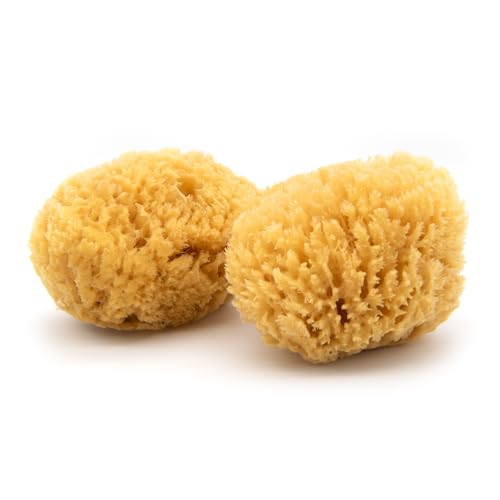
Holds more water than synthetic sponges and won't leave streaks. The irregular texture blends seams naturally and softens edges without over-wetting.
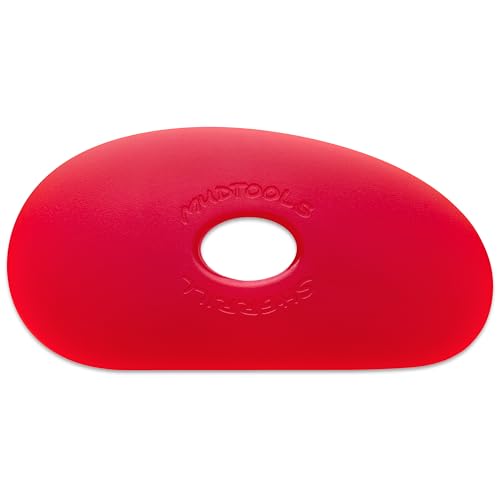
Compresses clay faster than fingers, smooths interior curves without fingerprints, and thins walls evenly. The curved edge matches bowl contours perfectly.
As an Amazon Associate I earn from qualifying purchases. Prices may change.
Step-by-Step Guide
Wedge clay and roll coils
Slam 2 pounds of clay onto a canvas mat for 5 minutes—fold, rotate, repeat—until air pockets vanish and it feels uniform. Pinch off golf-ball pieces and roll them into 1/2-inch thick ropes, 12 inches long. Make 8-10 coils with steady palm pressure, keeping thickness even, then cover with damp towels.
💡 Pro Tips:
- • Lumpy coils mean uneven pressure—use your whole palm, not just fingers
- • Clay should feel slightly warm when properly wedged
Build the base and first coil
Press remaining clay into a 1/4-inch disc and cut a 5-inch circle using a container lid as guide. Score the outer edge with a fork, brush on slip (watered-down clay), then press your first coil onto it, working around the circle. The slip fuses clay to clay.
💡 Pro Tips:
- • Offset each coil seam by 2 inches so weak spots don't stack vertically
Stack and blend coils into walls
Add coils one at a time, pressing firmly, then blend each seam with thumb inside and fingers outside in smooth upward strokes. Angle coils outward to widen the bowl, then inward near the top. Every 3 coils, scrape the interior with a metal rib to compress and smooth.
💡 Pro Tips:
- • Visible gaps mean you didn't blend—go back and work the seam again
- • Six to seven coils usually reach bowl height
Smooth and level the rim
Wet a sponge and wipe the exterior to erase fingerprints—leave the inside textured. If the rim is uneven, slice it flat with a wire tool. Let the bowl sit uncovered for 24 hours until leather-hard, then cover loosely with plastic and dry for 5-7 days.
Fire or seal your bowl
For kiln access: bring your bone-dry bowl to a studio for bisque firing (cone 04), apply glaze, then fire again (cone 5-6). For air-dry clay: seal with acrylic varnish after full drying. Kiln-fired bowls hold liquids; air-dry ones work for keys, fruit, or display.
💡 Pro Tips:
- • Carve patterns while leather-hard if you want surface texture
Gear Up for Your Quest
The gear that makes this quest work.
Pull it off

Stoneware or Earthenware Clay (5 lb bag)
Cone 5-6 stoneware gives you durability and glaze compatibility; earthenware (cone 04) is easier to fire but more fragile. Avoid polymer or air-dry clay if you want functional dinnerware.
Get on Amazon · $29.99 — Stoneware or Earthenware Clay (5 lb bag)details & deals →+ complete the kit — 4 more

Holds more water than synthetic sponges and won't leave streaks. The irregular texture blends seams naturally and softens edges without over-wetting.
Unbleached sea sponge for smoothing and shaping
Get on Amazon · $16.99 — Natural Sponge (Sea Sponge)details & deals →
Metal Rib Tool Set
RecommendedCompresses clay faster than fingers, smooths interior curves without fingerprints, and thins walls evenly. The curved edge matches bowl contours perfectly.
Kidney-shaped flexible steel scrapers in 3 sizes
Get on Amazon · $14.99 — Metal Rib Tool Setdetails & deals →
Canvas Work Mat (18x24 inch)
RecommendedClay doesn't stick to canvas like it does to plastic or wood. You can wedge hard, rotate your work freely, and the texture prevents tearing when you lift coils.
Heavy cotton duck canvas with non-slip backing
Get on Amazon · $15.99 — Canvas Work Mat (18x24 inch)details & deals →
Slices clean lines through clay for trimming rims and cutting base circles. Better control than knives, which drag and distort soft clay.
Thin braided wire stretched between two dowels
Get on Amazon · $5.98 — Wire Clay Cutter with Wooden Handlesdetails & deals →RELATED GEAR GUIDE
Fermentation & Canning Kit: 8 Beginner Picks
Field-tested picks · Creative Arts
As an Amazon Associate, IRL Sidequests earns from qualifying purchases at no extra cost to you.
Prices and availability are subject to change. The price shown at checkout on Amazon at the time of purchase will apply.
Editor's Picks
Hand-selected quests our team thinks you'll love

Dawn Patrol: Your First Bird Watching Adventure
Wake up with the birds and see your neighborhood through new eyes.

Creative Skills Quest Hub: Learn By Doing
The best way to learn creative skills? Make bad art until it gets good.

Urban Texture Block Printing
That rusted fire escape pattern? It belongs on a tote bag.