
Build a Real Working Project Portfolio
Stop watching coding tutorials. Start building things people can actually use.
About This Quest
Skip the tutorial hell. Build actual working projects you can show employers—starting with zero experience.
You've bookmarked 47 coding courses. You've watched 8 hours of JavaScript tutorials. You still freeze when someone asks, "Can you show me something you've built?" This quest fixes that. Instead of another passive course, you'll build three working projects from scratch: a personal landing page that doesn't look like a 2003 GeoCities page, an interactive budget calculator that actually calculates, and a weather dashboard that pulls live data. No hand-holding through pre-written code. You'll Google error messages, debug broken functions at 11 PM, and feel that specific rush when something finally works. The setup is dead simple: pick one free code editor (VS Code gets recommended because everyone's using it, which means every error message has a Stack Overflow answer), choose one project path (web is easiest to start and show off), and commit to 60-90 minute focused blocks. You're not trying to become a senior engineer. You're proving to yourself—and anyone who asks—that you can take an idea from blank screen to working thing. The portfolio site you build here becomes the place you show the other projects. The whole thing loops back on itself. By week three, you'll have a GitHub profile that doesn't look abandoned and actual URLs you can text to friends.
Why This Quest Matters
By week three, you'll have a GitHub profile that doesn't look abandoned and actual URLs you can text to friends. You're proving to yourself—and anyone who asks—that you can take an idea from blank screen to working thing. The portfolio site you build becomes the place you show the other projects, and the whole thing loops back on itself.
What You'll Experience
- How to Google error messages and test fixes instead of memorizing syntax
- Three working projects you can show: landing page, budget calculator, weather dashboard
- How to fetch and display live data from APIs
- How to deploy code to real URLs people can click
- How to talk about what you built without sounding like marketing copy
What You'll Need
Top gear to make this quest great.
Pull it off
Second Monitor or Tablet Stand
Eliminates constant alt-tabbing between code editor and Stack Overflow/documentation. Dramatically speeds up debugging when you can see error messages and solutions side-by-side.
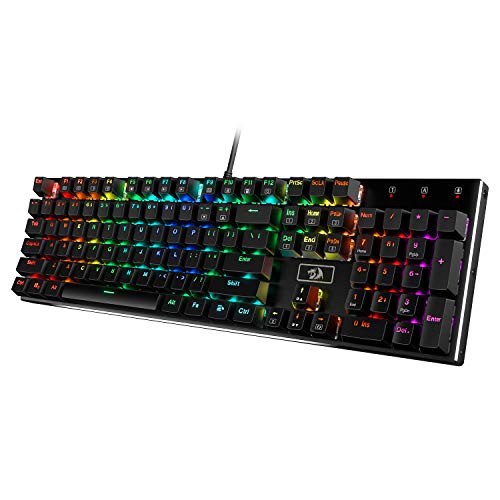
Reduces typos during long coding sessions with physical key feedback. The satisfying click helps you catch mistakes in real-time instead of during runtime errors.

Provides design files and user stories for projects 2 and 3 if you don't want to design from scratch. Acts as training wheels—you still write all code but get professional-looking specs.
As an Amazon Associate I earn from qualifying purchases. Prices may change.
Step-by-Step Guide
Set up your coding workspace
Download VS Code, create a GitHub account, and install Git. Spend 20 minutes clicking around the interface—change themes, open files, break something on purpose to see what error messages look like.
💡 Pro Tips:
- • VS Code gets recommended because every error message already has a Stack Overflow answer
- • Breaking things intentionally now makes real errors less scary later
Build your landing page from scratch
Open a new HTML file and write <h1>Your Name</h1>. Watch it render in your browser—that's your first dopamine hit. Spend 2-3 hours adding about, projects, and contact sections. Use CSS to make it not look like raw HTML. Your layout will break six times. Google 'CSS flexbox not working' and click the purple Stack Overflow links.
💡 Pro Tips:
- • The actual skill is Googling errors and testing fixes, not memorizing syntax
Wire up an interactive budget calculator
Create input fields for income and expenses, then add a button that calculates the difference when clicked. When your function doesn't run, hit F12 to open the browser console and read what broke. Most errors tell you exactly which line failed.
💡 Pro Tips:
- • Basic JavaScript is perfect here—no frameworks needed to make something that actually works
Pull live weather data from an API
Build a weather dashboard using OpenWeatherMap's free API (1,000 calls per day). You'll hit CORS errors, rate limits, and JSON parsing issues. Document each fix in code comments so you remember how you solved it.
💡 Pro Tips:
- • This project teaches you how real apps get their data—by asking other servers nicely
Deploy everything to live URLs
Push your code to GitHub, then deploy your landing page using Netlify or Vercel (both free). Deploy your calculator and weather dashboard separately. Now you have live URLs you can text to people and watch them click around.
💡 Pro Tips:
- • The difference between 'I'm learning to code' and 'here's what I built' is a working link
Connect your portfolio and practice explaining it
Update your landing page with links to your deployed projects and their GitHub repos. Write three sentences per project: what it does, what you learned. Then open your portfolio and explain one project out loud like you're in an interview. Do this three times—the words get less weird each time.
💡 Pro Tips:
- • 'Budget calculator using vanilla JavaScript' beats 'innovative financial management solution' every time
Gear Up for Your Quest
The gear that makes this quest work.
Pull it off

Second Monitor or Tablet Stand
Eliminates constant alt-tabbing between code editor and Stack Overflow/documentation. Dramatically speeds up debugging when you can see error messages and solutions side-by-side.
+ complete the kit — 3 more

Reduces typos during long coding sessions with physical key feedback. The satisfying click helps you catch mistakes in real-time instead of during runtime errors.
Keyboard with Cherry MX Brown or equivalent tactile switches for typing feedback
Get on Amazon · $54.99 — Mechanical Keyboard with Tactile Switchesdetails & deals →
Provides design files and user stories for projects 2 and 3 if you don't want to design from scratch. Acts as training wheels—you still write all code but get professional-looking specs.
Access to structured project tutorials on platforms like Frontend Mentor or Scrimba
Get on Amazon · $108.00 — Code Learning Platform Subscriptiondetails & deals →
Blue Light Blocking Glasses
OptionalReduces eye strain during 90-minute deep work blocks staring at code. Makes late-night debugging sessions less brutal on your eyes.
Eyewear filtering 400-450nm wavelength light from screens
Get on Amazon · $8.99 — Blue Light Blocking Glassesdetails & deals →RELATED GEAR GUIDE
Gamify Your Life Kit: 6 Picks to Turn Days Into Quests
Field-tested picks · Personal Growth
As an Amazon Associate, IRL Sidequests earns from qualifying purchases at no extra cost to you.
Prices and availability are subject to change. The price shown at checkout on Amazon at the time of purchase will apply.
Editor's Picks
Hand-selected quests our team thinks you'll love

Random Side Quest Generator: Complete Guide to Spontaneous Adventures
Turn decision paralysis into roll-the-dice action.

Desk Reset Rituals for Screen Workers
Your screen blur isn't age—it's ritual deficit.

Build Your Domestic Confidence Toolkit
The difference between panicking when something breaks and calmly handling it yourself.