
Creative Side Quests: Real-Life Skill Building Through Art & Making
Stop watching tutorials. Start making things that teach your hands what your brain can't learn alone.
About This Quest
Build real creative skills through structured making projects—from block printing to ceramics. No fluff, just hands-on techniques you'll actually use.
Your hands know things your brain doesn't. You can watch a hundred videos on letterpress printing or wheel-throwing, but until ink gets under your nails or clay cakes your forearms, you're just collecting information. This quest strips creative learning down to what matters: repetition, failure, and the specific feeling when a chisel bites wood at the right angle. Pick one making discipline and commit to five sessions minimum. Not classes where someone holds your hand—actual studio time where you repeat the same cut, fold, or brush stroke until muscle memory clicks in. Block printing teaches you about pressure and registration. Hand-building with clay shows you how structure fails before it teaches you how it holds. Natural dyeing is chemistry you can smell. Each discipline has a moment—usually around session three—where your hands stop fighting the material. The goal isn't a portfolio piece. It's building a physical vocabulary. You'll waste materials. Your first ten prints will be garbage. The bowl will crack. That's the point. Every craft has fundamental moves that only make sense after you've done them wrong repeatedly. Find a community studio, pay for open studio time, and show up consistently. The makers who've been at it for years will ignore you at first, then start offering tips around week three when they see you're serious.
Why This Quest Matters
Around session three, something clicks—your hands stop fighting the material and start conversing with it. You'll waste supplies and make garbage, but you'll also discover that physical skills live in your body, not your browser history. When you finally carve a clean line or throw a centered wall, you'll feel it in your forearms before you see it with your eyes.
What You'll Experience
- The specific muscle memory of one making discipline—pressure, timing, material resistance
- How to learn physical skills through deliberate repetition rather than passive watching
- Where technique actually lives: in your hands, not in tutorial videos
- The difference between information collection and embodied knowledge
- How to spot and learn from failure points in craft processes
What You'll Need
Top gear to make this quest great.
Pull it off
Speedball Linoleum Cutter Set
Quality carving tools make the difference between fighting the material and learning proper cutting technique. Dull blades teach bad habits.
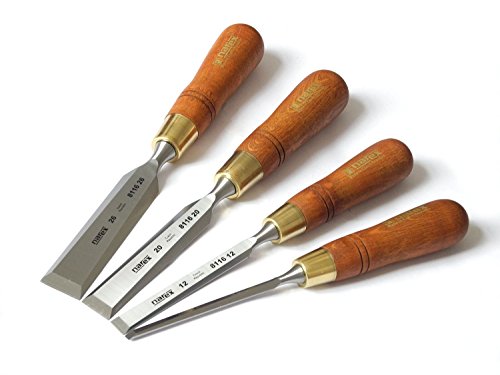
For woodworking discipline—sharp chisels teach you what proper cutting feels like. Dull tools just teach you to push harder.

Structured time in a real studio with access to equipment, materials, and experienced makers. Home setup can't replace this for learning.
As an Amazon Associate I earn from qualifying purchases. Prices may change.
Step-by-Step Guide
Pick one craft, book five sessions
Choose a single making discipline—printmaking, ceramics, woodworking, textiles, metalworking, or bookbinding—based on what's available at local community studios or makerspaces. Schedule five open studio sessions spread over 4-6 weeks ($15-30 each). Space matters: your hands need time between sessions to process what they learned.
💡 Pro Tips:
- • Community colleges often have cheaper open studio rates than independent studios
- • Avoid weekend-only booking; mid-week sessions mean more experienced makers around to learn from
Buy one quality tool, borrow the rest
Invest in one excellent tool specific to your discipline: carving gouges for printmaking, a ribbon tool set for ceramics, sharp chisels for woodworking. Use house tools for everything else initially. You need to feel the difference between fighting your material and working with it, and cheap tools lie about where that line is.
💡 Pro Tips:
- • Ask the studio staff which single tool makes the biggest difference—they'll tell you what beginners struggle with most
Session 1: Make one complete terrible thing
Learn the basic process from start to finish and complete one full piece, however ugly. Note exactly where you lost control: too much pressure on the brayer, clay too wet when you pulled the wall, grain fighting your chisel direction. These failure points are your curriculum.
💡 Pro Tips:
- • Take quick phone photos between steps—not for sharing, for remembering the glaze ratio or joint angle next time
Sessions 2-3: Repeat the exact same project
Make the identical piece twice more. Resist the urge to get creative or try something new. You're training muscle memory for fundamental movements—how much pressure registers the ink, when clay stops being workable, the angle where wood splits versus cuts. Notice what feels different the second and third time through.
💡 Pro Tips:
- • The boredom you feel around repetition two is where the learning actually happens
Sessions 4-5: Add one variable only
Now that your hands know the basics, introduce a single change: different paper weight, a bowl with a foot ring instead of flat bottom, a compound angle cut. Your baseline competence shows you what the variable actually does. After session five, watch technique videos for your discipline—they'll finally make sense now that you've felt what the instructor is describing.
💡 Pro Tips:
- • During cleanup time, ask advanced makers specific technical questions about what failed in your session, not how they got good
Decide: deepen or diversify
After five sessions, you've built enough physical vocabulary to choose: continue this discipline to develop real skill, or apply the same structured approach to a different material. The learning method transfers. Either way, you now know the difference between watching and making.
Gear Up for Your Quest
The gear that makes this quest work.
Pull it off

Speedball Linoleum Cutter Set
Quality carving tools make the difference between fighting the material and learning proper cutting technique. Dull blades teach bad habits.
+ complete the kit — 3 more

For woodworking discipline—sharp chisels teach you what proper cutting feels like. Dull tools just teach you to push harder.
Czech-made bench chisels that hold an edge
Get on Amazon · $71.62 — Narex Woodworking Chiselsdetails & deals →
Studio Time Membership
EssentialStructured time in a real studio with access to equipment, materials, and experienced makers. Home setup can't replace this for learning.
Five open studio sessions at local makerspace or community studio
Get on Amazon · $0.99 — Studio Time Membershipdetails & deals →
Kemper Wire Clay Tool Set
RecommendedIf choosing ceramics, these tools let you refine forms and learn proper trimming technique. House tools at studios are usually worn down.
Professional ribbon tools and loop tools for ceramics hand-building
Get on Amazon · $9.86 — Kemper Wire Clay Tool Setdetails & deals →RELATED GEAR GUIDE
Fermentation & Canning Kit: 8 Beginner Picks
Field-tested picks · Creative Arts
As an Amazon Associate, IRL Sidequests earns from qualifying purchases at no extra cost to you.
Prices and availability are subject to change. The price shown at checkout on Amazon at the time of purchase will apply.
Editor's Picks
Hand-selected quests our team thinks you'll love

Dawn Patrol: Your First Bird Watching Adventure
Wake up with the birds and see your neighborhood through new eyes.

Creative Skills Quest Hub: Learn By Doing
The best way to learn creative skills? Make bad art until it gets good.

Hand-Built Ceramic Bowl Workshop
Your hands built the first bowls 20,000 years ago. They still can.